


Key Takeaways
- Chinese chipmaker CXMT announces what it claims is the world’s first commercial LPDDR6 memory deployment
- The next-generation memory chips will power Xiaomi’s 18 Fold foldable device
- This represents a potential first: a Chinese memory manufacturer reaching cutting-edge production standards simultaneously with Micron, Samsung, and SK Hynix
- Meanwhile, CXMT is challenging its designation on the Pentagon’s “Chinese military company” list through legal action
- The Roundhill Memory ETF (DRAM) provides investors access to both Micron (25% allocation) and CXMT (4.95% allocation)
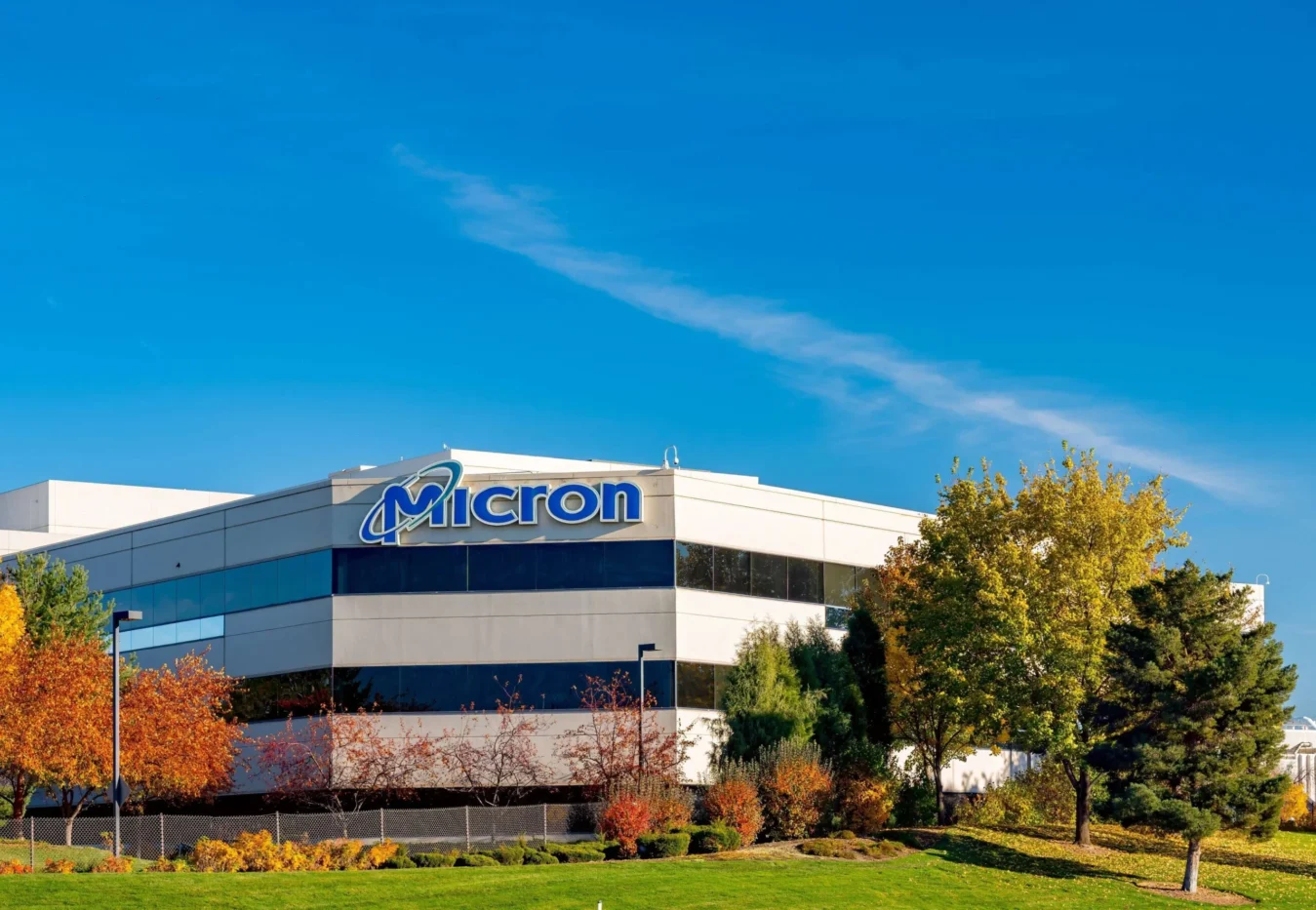
Shares of Micron Technology (MU) climbed approximately 1% during Friday’s premarket session, despite news that a Chinese competitor has achieved what may be an industry-first milestone in memory chip technology.
Through social media channels, ChangXin Memory Technologies (CXMT) revealed it has begun volume production of LPDDR6 memory chips, representing the latest generation of memory technology for smartphones and mobile devices. These advanced chips will make their commercial debut inside Xiaomi’s 18 Fold foldable smartphone.
The technological leap from LPDDR5 to LPDDR6 is substantial. The new standard employs PAM3 signaling technology, which enables more data to be encoded per symbol, while boosting data transfer speeds to 43.2 GT/s. Additionally, the I/O width has been reduced from 32 bits to 24 bits, necessitating significant modifications at both hardware and software layers.
The significance of this development lies in the unprecedented timing. CXMT appears to have achieved volume LPDDR6 production on a timeline comparable to established industry titans like Samsung, SK Hynix, and Micron. This represents a dramatic departure from historical patterns.

Historically, Chinese DRAM manufacturing capabilities have trailed international competitors by several years. With LPDDR6, however, CXMT is participating in the standard’s early commercial phase rather than playing catch-up years down the line.
Narrowing the Technology Divide
The pace of CXMT’s technological advancement has become increasingly difficult to overlook. The firm recently completed its public listing, reported revenue growth approaching 10x in its inaugural earnings release as a publicly traded entity, and now asserts it has achieved a world-first in LPDDR6 volume manufacturing.
Simultaneously, the company is mounting a legal challenge against U.S. government restrictions. CXMT has filed suit against the Pentagon seeking removal from a designation list identifying it as a “Chinese military company.”
However, the LPDDR6 announcement warrants careful interpretation. CXMT has only verified supply arrangements for a single smartphone model from a single device manufacturer. These chips must successfully undergo validation processes across additional handset models and manufacturers before drawing broader industry conclusions.
Manufacturing memory chips with high yields and adequate volume for widespread market adoption presents challenges distinct from a limited niche product launch. CXMT’s ability to achieve this scale remains to be demonstrated.
Investment Strategies for Memory Chip Exposure
For those holding positions in Micron, this development merits attention but doesn’t necessarily signal immediate concern. The present memory market cycle is predominantly fueled by demand for high-bandwidth memory (HBM) in artificial intelligence server infrastructure, rather than LPDDR chip demand.
Nevertheless, CXMT’s technological progress demonstrates genuine competitive ambition, and market pressures are intensifying.
Investors seeking diversified exposure across the memory semiconductor sector might consider the Roundhill Memory ETF, trading under ticker symbol DRAM. This fund maintains a 25% position in Micron alongside a 4.95% allocation to CXMT, complemented by additional memory industry holdings.
Micron’s substantially larger allocation within the ETF acknowledges its superior technological positioning and reflects uncertainties regarding whether Beijing might compel CXMT to favor domestic Chinese customers over international markets.
CXMT’s LPDDR6 disclosure currently encompasses only Xiaomi’s 18 Fold device. Wider industry validation and adoption remain future milestones.
Get 3 Free Stock Ebooks
Discover top-performing stocks in AI, Crypto, and Technology with expert analysis.
- Top 10 AI Stocks - Leading AI companies
- Top 10 Crypto Stocks - Blockchain leaders
- Top 10 Tech Stocks - Tech giants



