


Key Highlights
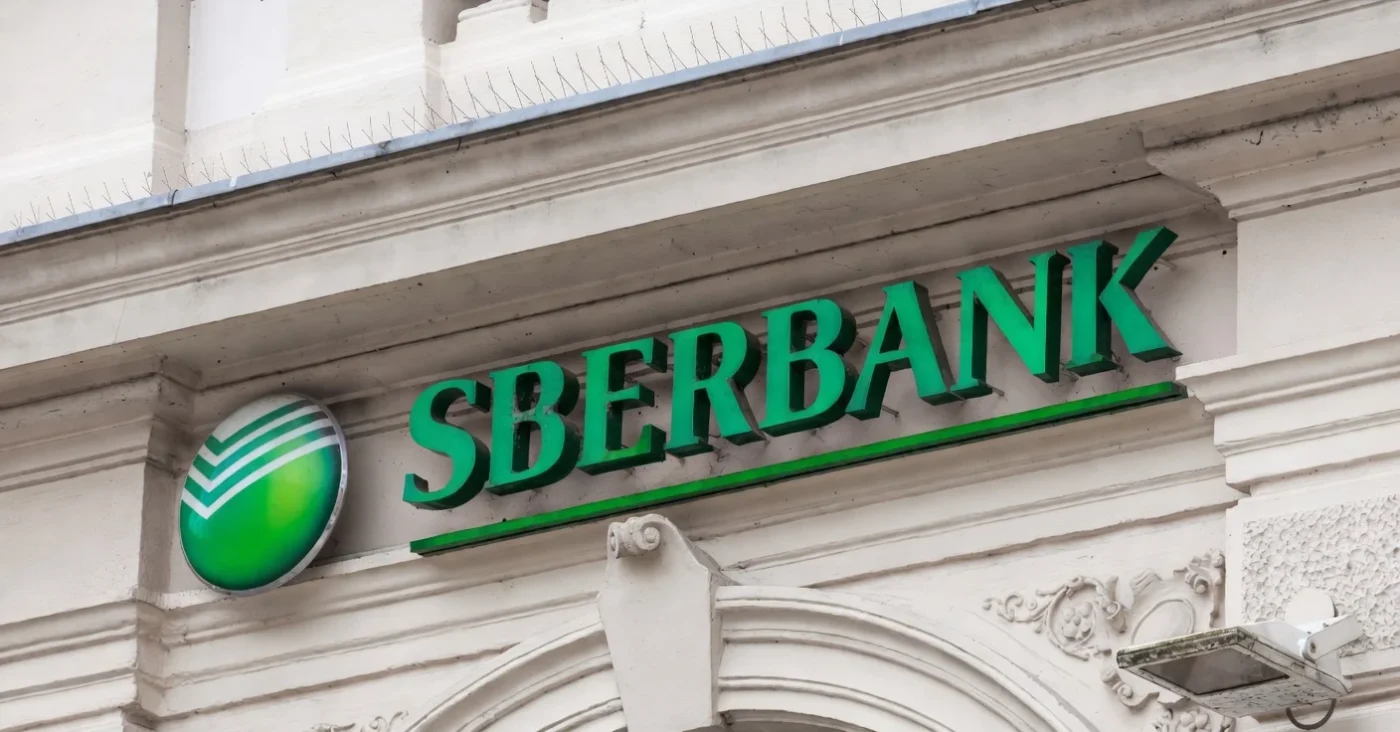
- Russia’s Sberbank is preparing to launch lending services backed by Bitcoin, Ethereum, and Tether (USDT) collateral
- Approval from the Bank of Russia is required before Ethereum and USDT can be accepted as collateral
- Federal Law No. 282-FZ, Russia’s comprehensive crypto legislation, becomes effective September 1, 2026
- The bank is simultaneously developing a digital wallet for consumers and working to finalize its digital asset custody infrastructure by December 1
- Russian authorities identified approximately 2,600 cryptocurrency wallets during the first six months of 2026 under enhanced monitoring protocols
Russia’s dominant banking institution is positioning itself to enter the cryptocurrency-backed lending sector as the country’s regulatory landscape evolves. Here are the details.
Sberbank’s Entry Into Digital Asset-Backed Financing
Sberbank is laying the groundwork to provide business loans collateralized by cryptocurrency holdings. [[LINK_START_0]]Bitcoin[[LINK_END_0]] will serve as the initial collateral option, while Ethereum and Tether may follow pending regulatory clearance.
Anatoly Popov, who serves as Deputy Chairman on Sberbank’s Management Board, announced these initiatives in advance of the Eastern Economic Forum. He emphasized that the institution has accumulated hands-on expertise with digital currencies.
This isn’t uncharted territory for the bank. An earlier trial program with mining operation AO Intelion Data utilized freshly mined cryptocurrency as loan security, providing Sberbank with tangible operational knowledge in this domain.
According to Popov, the bank will modify its current financial offerings once Russia’s updated legal framework is completely operational. He noted that the range of acceptable digital currencies may grow as additional regulatory clarity emerges.
[[LINK_START_1]]Ethereum[[LINK_END_1]] and Tether can only be utilized as collateral following official authorization from the Bank of Russia for public use. In the interim, Bitcoin remains the central asset.

The framework under construction would enable corporate clients to leverage their cryptocurrency portfolios as loan security while maintaining ownership. This approach mirrors established practices in crypto lending markets throughout Western economies.
Sberbank is simultaneously creating custodial infrastructure designed to facilitate institutional engagement with digital assets. These services would function within Russia’s supervised banking framework.
A digital wallet targeting individual consumers is currently under development. First Deputy Chairman Kirill Tsarev indicated the wallet might debut within several months after the new legislation becomes active.
The institution’s digital asset depository facility is scheduled for completion by December 1. This system will safeguard client cryptocurrency holdings and maintain transaction records in accordance with the emerging legal structure.
Russia’s Comprehensive Crypto Legislation Launches September 1
Russia is establishing its cryptocurrency regulatory structure through Federal Law No. 282-FZ, scheduled to become operative on September 1, 2026.
This legislation establishes disclosure obligations for Russian residents maintaining digital assets on international platforms. Required information includes account balances, transaction volumes, and foreign holdings.
Private key disclosure is not mandated. The reporting framework emphasizes financial information and international exposure rather than direct wallet control.
The Bank of Russia has broadened its monitoring capabilities. Roughly 2,600 wallets were identified during the initial six months of 2026 and incorporated into compliance databases accessible to financial institutions and regulatory authorities.
This mechanism does not directly block blockchain addresses. Rather, financial institutions can detect associated accounts and fiat currency touchpoints, subsequently implementing limitations within Russia’s domestic banking infrastructure.
Russia is additionally establishing authorized trading of Bitcoin, Ether, and Tether through licensed exchange platforms. Individual investors would encounter an annual threshold of 300,000 rubles per intermediary following completion of a mandatory assessment. Accredited investors would not face this restriction.
The Bank of Russia’s planned ecosystem encompasses exchange platforms, brokerage services, asset management firms, and digital custody providers as components of the emerging market architecture.
Get 3 Free Stock Ebooks
Discover top-performing stocks in AI, Crypto, and Technology with expert analysis.
- Top 10 AI Stocks - Leading AI companies
- Top 10 Crypto Stocks - Blockchain leaders
- Top 10 Tech Stocks - Tech giants



