


Key Takeaways
- In partnership with Merck, Moderna’s mRNA-based cancer vaccine intismeran autogene demonstrated a 49% reduction in melanoma recurrence across a late-stage clinical trial involving more than 1,000 participants—representing the first therapeutically successful cancer vaccine in over a century of research.
- Despite Friday’s 4.6% decline to an opening price of $142.77, MRNA shares have climbed more than 130% since the breakthrough vaccine data was released.
- Financial analysts project the cancer vaccine could generate annual sales exceeding $1 billion by 2030 and reaching $3 billion by 2035, with potential FDA authorization arriving next year.
- The biotech company intends to secure up to $2.3 billion via convertible note offerings, triggering shareholder dilution concerns as Moderna continues operating at a loss with projected EPS of -$6.18 for the current fiscal year.
- Wall Street maintains a consensus “Hold” rating with a mean price target of $74.31, though bullish analysts have established targets as high as $135.
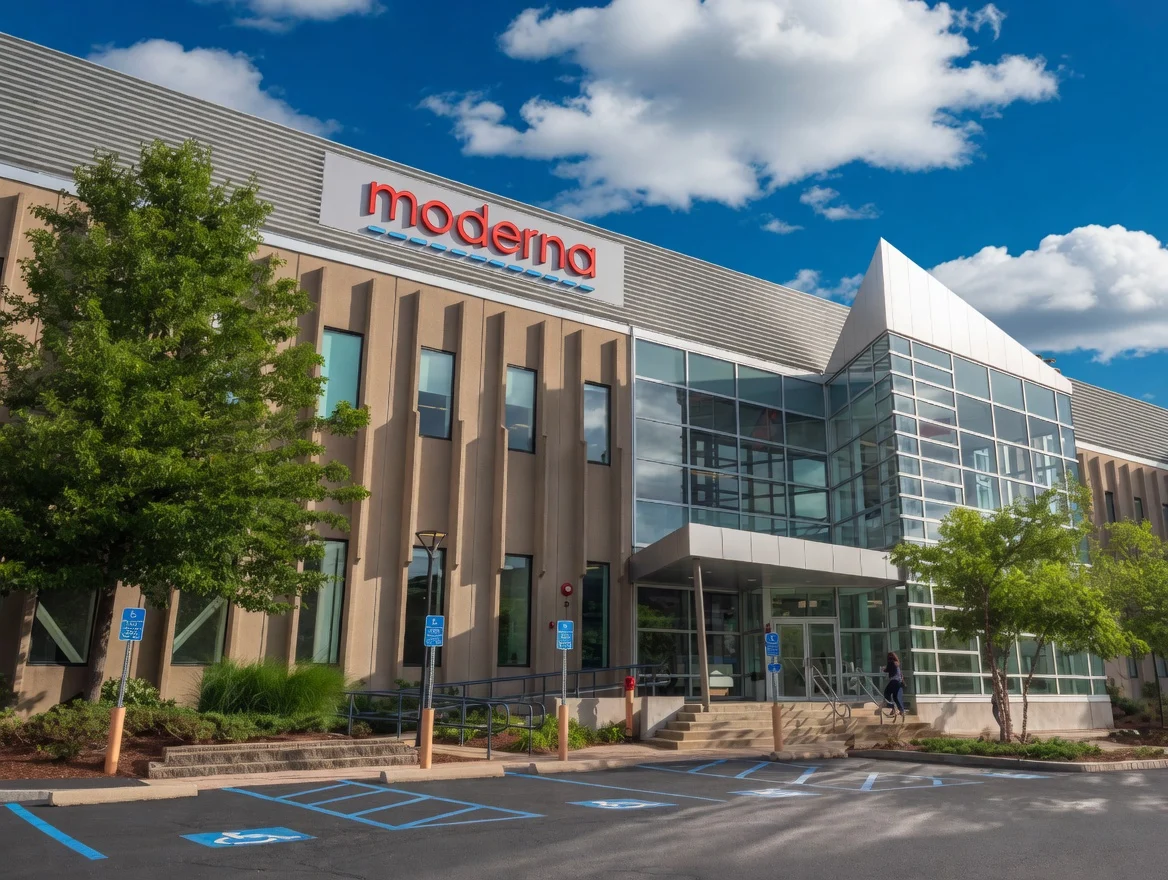
Shares of Moderna (MRNA) commenced Friday trading at $142.77, representing a 4.6% decline, despite the pharmaceutical company commanding attention as the focal point of a potentially transformative medical advancement. Nevertheless, the stock has experienced a remarkable rally of over 130% following the disclosure of clinical trial outcomes for its innovative cancer immunotherapy.
Designated as intismeran autogene, this personalized immunotherapy emerged from a decade-spanning partnership with Merck (MRK). The treatment demonstrated approximately 49% efficacy in preventing melanoma recurrence during late-stage clinical testing involving over 1,000 participants. Leading oncology researchers characterize this achievement as the inaugural successful therapeutic cancer vaccine following more than 100 years of unsuccessful endeavors.
Moderna chief executive Stephane Bancel received the pivotal phone call during a birthday celebration in August. He drew parallels between this momentous occasion and the 2020 revelation of Moderna’s COVID-19 vaccine trial outcomes.
The collaborative alliance between these pharmaceutical giants commenced in 2016. Merck contributed $200 million as an initial payment, followed by an additional $250 million investment in 2022. Both organizations maintain equal distribution of development expenses and revenue streams.

Mechanism of Action
This innovative treatment leverages mRNA technology to train the body’s immune defenses to recognize and eliminate cancerous cells by focusing on genetic alterations specific to an individual patient’s malignancy. The therapy delivers 34 personalized tumor-specific targets and functions in combination with Merck’s Keytruda immunotherapy drug to stimulate T-cells capable of identifying and destroying aberrant cellular growth.
Previous generation cancer vaccines concentrated on merely one or two genetic mutations and proved ineffective. By simultaneously targeting multiple dozens of mutations, the pharmaceutical companies substantially increased their probability of therapeutic success. “You have many, many more shots on goal,” explained Moderna co-founder Robert Langer.
The clinical study concentrated on melanoma patients in early disease stages following surgical intervention, providing adequate time for the immunotherapy to establish effectiveness and allowing the immune system sufficient opportunity to mount a response.
Future Outlook and Financial Position
Regulatory authorization from the U.S. FDA could materialize as soon as the coming year. Wall Street financial analysts anticipate vaccine revenue surpassing $1 billion annually by 2030 and expanding to $3 billion by 2035, according to LSEG research data.
Subsequent research phases will evaluate the vaccine’s therapeutic potential against malignancies characterized by fewer genetic mutations, encompassing lung, kidney, and pancreatic carcinomas.
From a financial perspective, Moderna disclosed intentions to generate up to $2.3 billion through convertible debt instruments maturing in 2032. The biotechnology firm continues operating without profitability, recording a second-quarter loss of $1.97 per share, which exceeded analyst projections of -$2.03. Quarterly revenue totaled $145 million, significantly surpassing the analyst consensus estimate of $102.93 million.
Professional analyst perspectives remain divergent. Barclays elevated its valuation target to $125, Loop Capital established a $135 projection, and Royal Bank of Canada designated a $130 target. The aggregate rating continues at “Hold” with a mean price objective of $74.31.
Institutional investment entities control 75.33% of MRNA shares, with CIBC World Markets establishing a fresh stake comprising 16,797 units valued at approximately $1.18 million during the second quarter.
Additionally, the FDA granted approval for Moderna’s revised 2026-2027 COVID-19 vaccine formulations this week, engineered to address the XFG subvariant, providing another immediate-term growth catalyst for the organization.
Get 3 Free Stock Ebooks
Discover top-performing stocks in AI, Crypto, and Technology with expert analysis.
- Top 10 AI Stocks - Leading AI companies
- Top 10 Crypto Stocks - Blockchain leaders
- Top 10 Tech Stocks - Tech giants



