


Key Takeaways
- Workers United initiated a “No Contract, No Coffee” boycott campaign, calling on consumers to avoid Starbucks purchases until union contract terms are agreed upon.
- The labor organization speaks for more than 12,000 coffee shop employees, seeking a $17/hour minimum pay rate, improved scheduling, and enhanced worker protections.
- According to the union, Starbucks holds the record for the most U.S. labor law violations in contemporary corporate history, with 550+ outstanding unfair labor practice complaints.
- Shares of SBUX declined approximately 1.5% during Tuesday trading while hovering close to 52-week peak levels.
- The coffee giant delivered 7.9% U.S. comparable sales growth and a 70% year-over-year surge in adjusted per-share earnings during its most recent fiscal quarter.
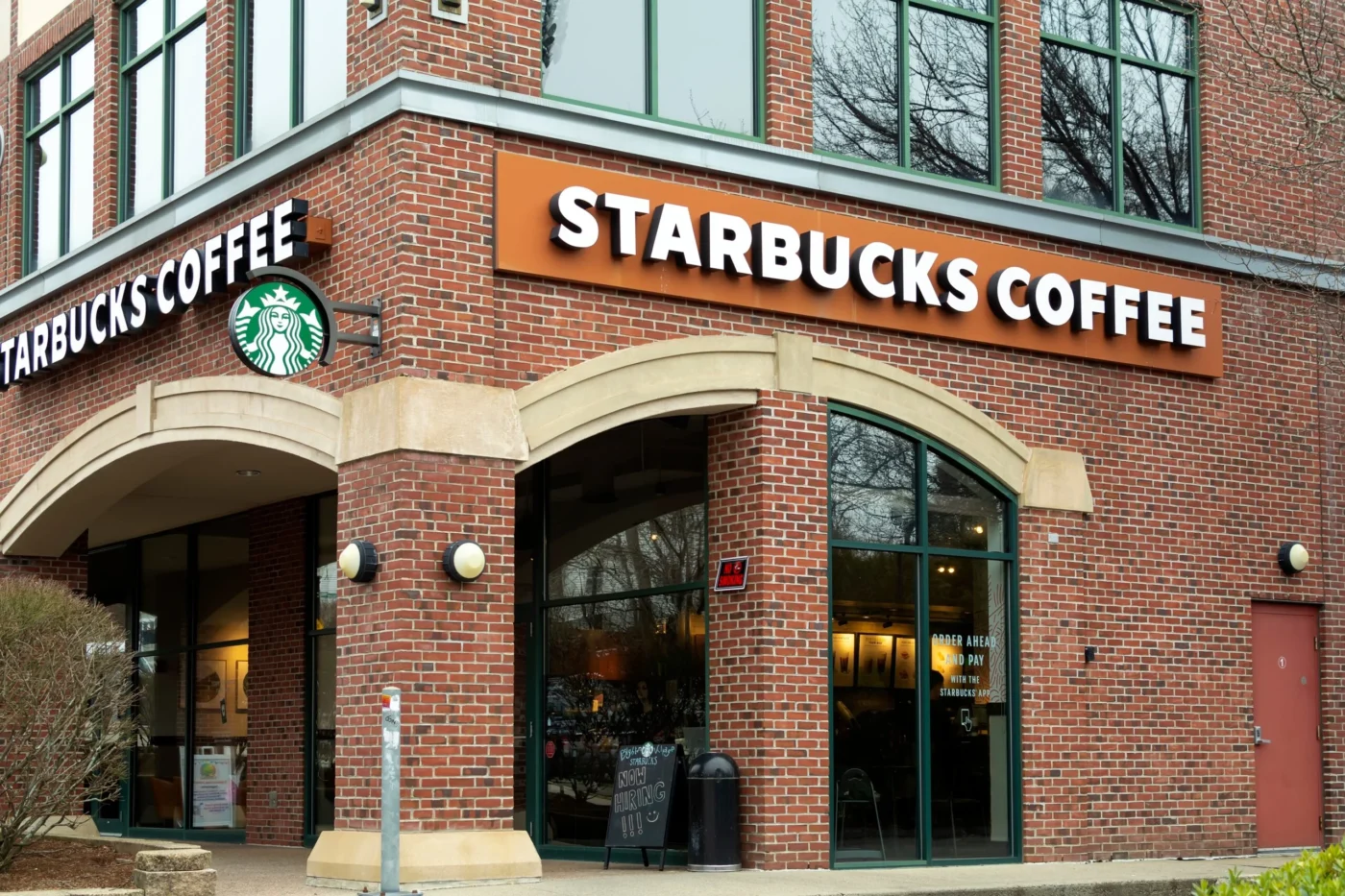
On Tuesday, Starbucks Workers United officially kicked off a boycott initiative, encouraging consumers to withhold their business from Starbucks locations until the corporation reaches a collective bargaining agreement with unionized employees.
The labor group, which advocates for over 12,000 baristas, shared its position on X with a straightforward declaration: “No Contract? No Coffee.”
Shares of SBUX slipped roughly 1.5% during Tuesday’s session, though the stock continues to trade in the vicinity of its 52-week highs, indicating that investors aren’t viewing the boycott as a material risk to operations at this stage.
The union’s core demands include establishing a $17 hourly wage floor, providing additional work hours, increasing staff levels at individual locations, and implementing fundamental workplace safeguards. Union representatives argue that cost-of-living increases have significantly outpaced compensation adjustments for their members.

Workers also challenged the company’s capital allocation decisions, criticizing Starbucks for investing heavily in artificial intelligence systems and technology initiatives “that doesn’t work” while introducing what they characterized as “gimmicky drinks,” all as labor negotiations remain stalled.
Accusations of Extensive Labor Law Breaches
Starbucks Workers United contends that the corporation has breached U.S. labor regulations more extensively than any other business entity in recent decades. The union points to numerous violations identified by the National Labor Relations Board and administrative law judges, with over 550 unfair labor practice complaints currently awaiting resolution against Starbucks.
The labor organization charged the company with engaging in “union-busting” tactics and claimed Starbucks is “banking on customers’ blind loyalty” to the brand’s stated values.
Starbucks responded by emphasizing its competitive compensation packages, market-leading benefits programs, and advancement opportunities. A company representative highlighted what it characterizes as the sector’s lowest employee turnover rate and annual job application volumes exceeding one million as evidence of its workplace attractiveness.
“As we have always been, we’re committed to engaging in productive bargaining,” the company stated.
Financial Performance Remains Solid Amid Labor Tensions
Labor controversies notwithstanding, Starbucks‘ financial performance continues to strengthen under the leadership of CEO Brian Niccol. The corporation’s “Back to Starbucks” initiative, emphasizing enhanced customer experience and operational streamlining, has delivered measurable results.
During its third fiscal quarter, Starbucks achieved 7.9% U.S. comparable sales growth, representing the fourth consecutive quarter of positive comparable sales momentum. Adjusted earnings reached 85 cents per share, reflecting a 70% year-over-year increase and surpassing analyst consensus estimates.
The unionized workforce comprises only a small portion of Starbucks’ overall U.S. retail employee base, which constrains the union’s capacity to generate widespread operational disruption across the company’s store network.
Starbucks has weathered boycott efforts previously. The company’s extensive location footprint, consumers’ daily purchasing patterns, and established rewards program have historically made it challenging for boycotts to produce sustained traffic declines.
The more than 550 outstanding unfair labor practice charges represent one of the most tangible pressure points confronting the company as collective bargaining discussions move forward.
Get 3 Free Stock Ebooks
Discover top-performing stocks in AI, Crypto, and Technology with expert analysis.
- Top 10 AI Stocks - Leading AI companies
- Top 10 Crypto Stocks - Blockchain leaders
- Top 10 Tech Stocks - Tech giants



