


TLDR
- Brent crude edged down to $93.61 per barrel, while WTI declined to $86.47 on Friday’s trading
- Both primary oil benchmarks are tracking toward consecutive weekly advances
- Washington has warned Tehran will face “the toughest sanctions in history”
- Commercial traffic through the Strait of Hormuz continues at roughly 50% of typical volumes
- Tehran and Beijing have rejected Washington’s sanction warnings
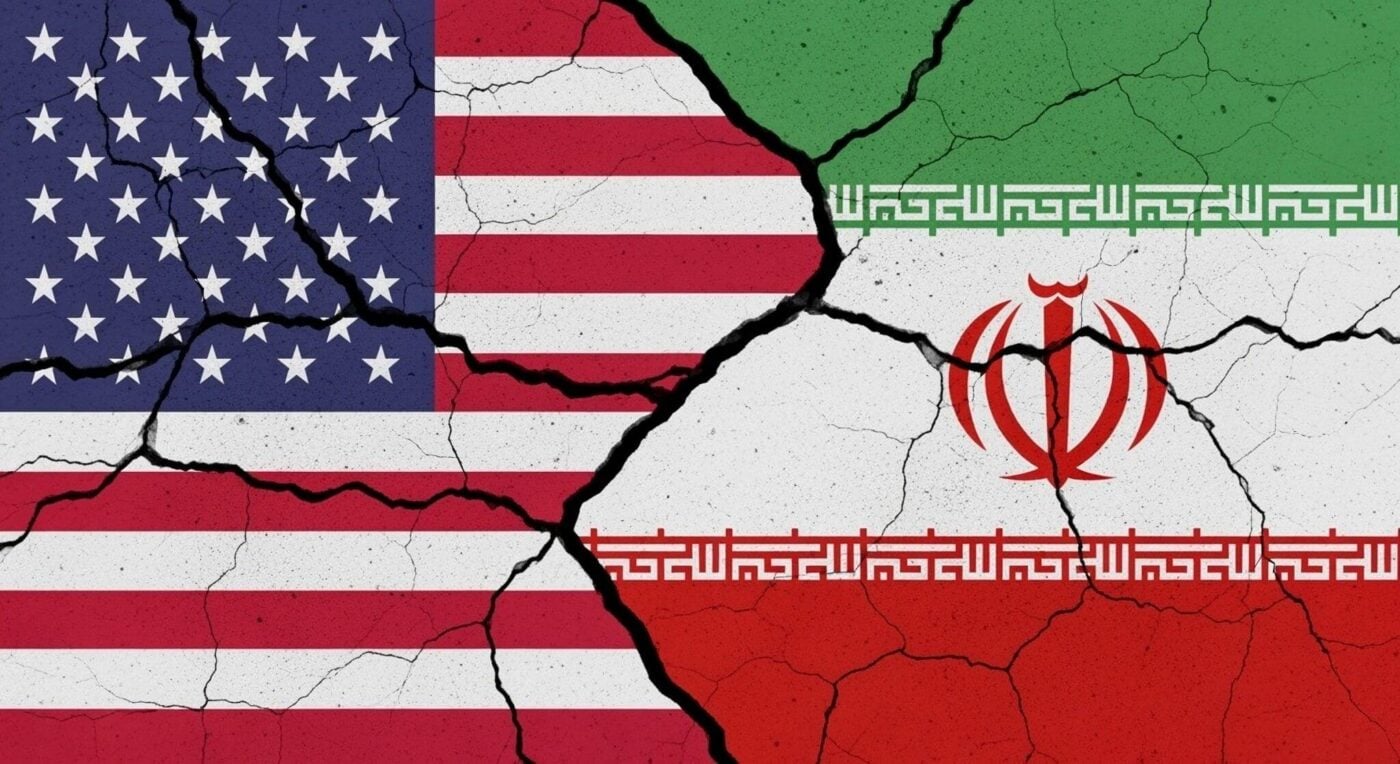
Petroleum markets experienced modest declines on Friday, yet remain positioned to close out a second consecutive week of gains. Escalating friction between Washington and Tehran has kept traders on edge, with diplomatic resolution appearing increasingly distant.
The international Brent benchmark retreated 0.18% to settle at $93.61 per barrel, while the US West Texas Intermediate grade dropped 0.41% to $86.47. Notwithstanding Friday’s pullback, Brent has climbed more than 5.8% over the week, with WTI advancing 4.8%.
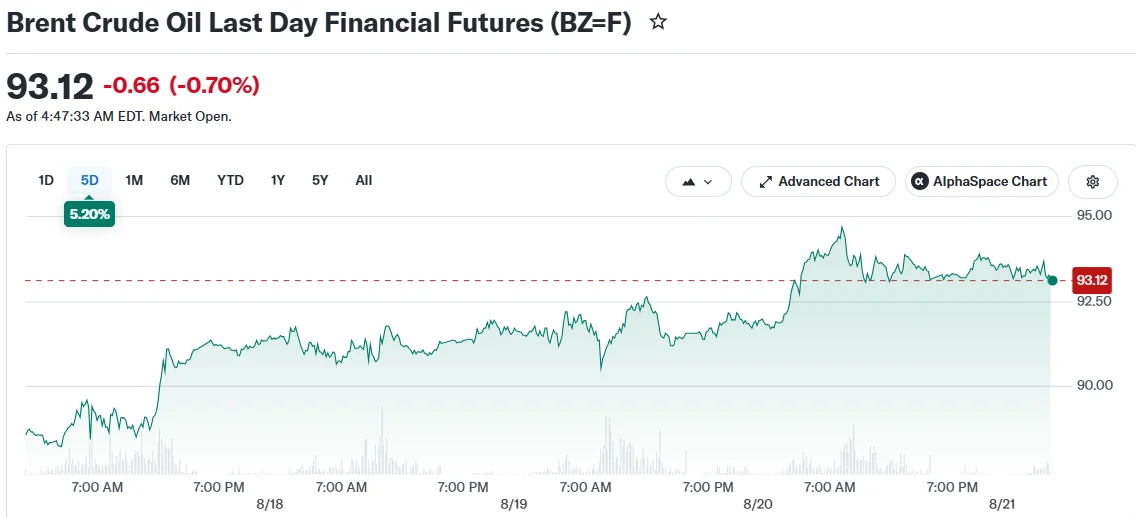
Thursday’s trading session saw both primary benchmarks reach their strongest levels since late July.
Penalties Against Tehran Propel Market Higher
Treasury Secretary Scott Bessent announced earlier this week that Tehran would confront “the toughest sanctions in history.” President Donald Trump reinforced this position, warning of economic repercussions for nations maintaining commercial relationships with the Islamic Republic.

Bessent indicated these measures might diminish the necessity for additional military intervention. However, uncertainty remains regarding the specific components of these proposed restrictions, considering Washington has already imposed extensive limitations on Iranian petroleum exports.
Iranian officials have rejected these threats outright. Beijing, which represents one of Tehran’s largest crude purchasers, has similarly dismissed Washington’s warnings.
The temporary peace agreement between Washington and Tehran lapsed this week. Neither party has demonstrated willingness to resume diplomatic negotiations.
Critical Waterway Remains Severely Restricted
The Strait of Hormuz, previously responsible for transporting approximately one-fifth of worldwide petroleum and liquefied natural gas volumes prior to the current crisis, remains functionally obstructed.
Maritime tracking company Kpler documented just seven commercial vessels transiting the critical waterway on Thursday. This figure represented a 50% decrease from Wednesday’s count.
Iranian authorities have declared the strait will remain restricted until Washington fulfills commitments outlined in the June peace agreement, which has now expired.
Soni Kumari, an analyst with ANZ, noted that market participants are reconciling themselves to prolonged supply constraints, acknowledging that conditions are unlikely to normalize in the foreseeable future.
Production disruptions have also emerged from additional major exporters throughout the region, including Saudi Arabia, Iraq, the United Arab Emirates, and Kuwait.
Compounding the Iranian situation, Ukrainian forces conducted strikes against Russia’s TANECO refinery facility in the Tatarstan territory and the Tamanneftegaz petroleum terminal located in the Krasnodar area, intensifying global supply pressures.
The joint US-Israeli military operations against Iran commenced in late February. The confrontation is now nearing its sixth month without indications of an imminent ceasefire.
Market analysts indicate that Washington’s naval blockade combined with threats of intensified economic penalties continue supporting elevated price levels. With the Strait of Hormuz remaining substantially closed, market participants see limited prospects for significant near-term price corrections.
Tehran’s unwavering position that the waterway will stay restricted absent a diplomatic settlement indicates the impasse may persist for weeks ahead.
Get 3 Free Stock Ebooks
Discover top-performing stocks in AI, Crypto, and Technology with expert analysis.
- Top 10 AI Stocks - Leading AI companies
- Top 10 Crypto Stocks - Blockchain leaders
- Top 10 Tech Stocks - Tech giants



