


Key Highlights
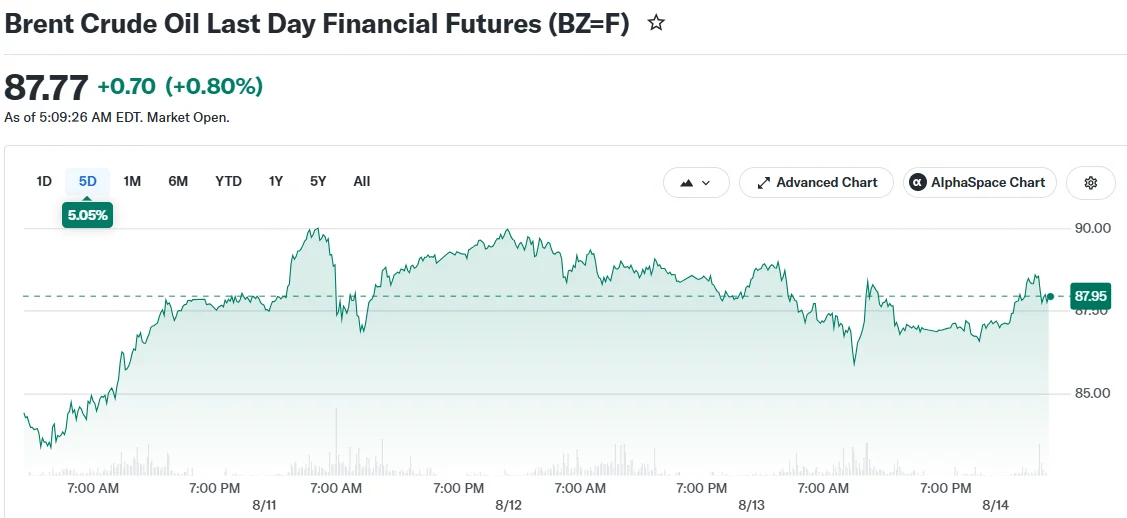
- Brent futures advanced 1% to reach $87.90 while WTI climbed 1.6% to $82.56 during Friday trading
- An unmanned aerial vehicle struck an oil tanker navigating the Strait of Hormuz, raising supply concerns
- Tensions persist between Washington and Tehran regarding navigation rights through the vital waterway
- Both OPEC and the International Energy Agency revised their oil consumption projections downward
- US equity markets advanced following July’s consumer price inflation reading of 0.1%
Crude oil markets are heading toward their first positive weekly performance in three weeks, driven upward by persistent tensions surrounding the Strait of Hormuz. A recent unmanned aerial attack on a commercial tanker in the critical shipping channel has maintained trader anxiety regarding global petroleum distribution.
Brent futures climbed approximately 1% during Friday’s session to $87.90 per barrel. West Texas Intermediate increased 1.6% to reach $82.56. Weekly gains for both international benchmarks approached 5%.
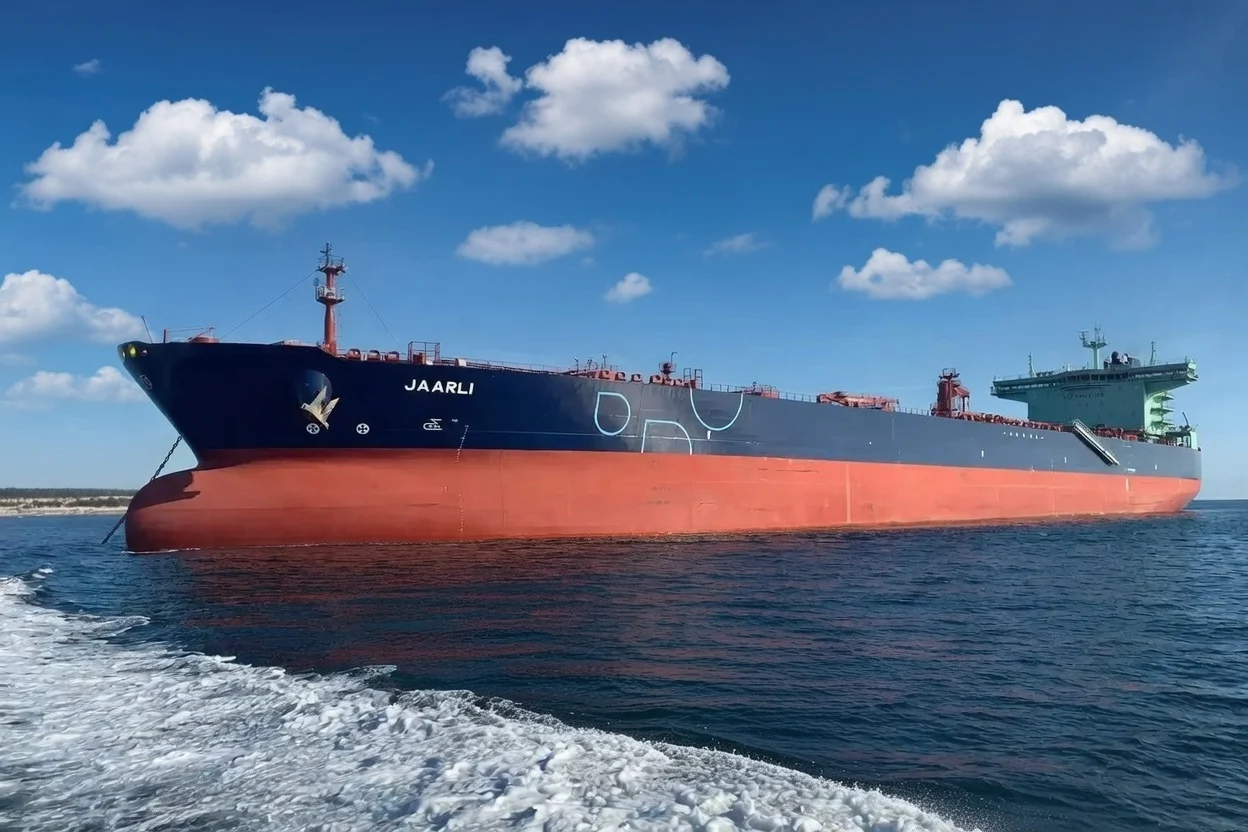
The United Kingdom Maritime Trade Operations authority verified that a tanker sustained damage from an uncrewed aerial vehicle during its exit from the strait. The ship experienced limited structural damage while all crew members remained unharmed. Authorities reported no environmental impact from the incident.
Maritime officials issued advisories urging vessels to exercise heightened vigilance when navigating through the strait.
Approximately twenty percent of global petroleum and liquefied natural gas shipments traversed the Strait of Hormuz prior to the outbreak of conflict with Iran in late February. Tehran has asserted sovereignty over the waterway and imposed restrictions on commercial traffic. Washington maintains it has enabled limited vessel movements through the channel.

Washington Intensifies Tehran Pressure
Defense Secretary Pete Hegseth indicated Thursday that the United States possesses the capability to sustain an indefinite naval blockade of Iranian maritime facilities. Treasury Secretary Scott Bessent signaled forthcoming economic actions against Iran exceeding previous measures in scope.
President Donald Trump indicated this week that economic sanctions would ultimately compel Iran to meet American conditions, which include dismantling its nuclear capabilities and restoring commercial access to the strait. Iran’s legislative body has countered with proposals to prohibit vessels from the United States, Israel, and additional “adversarial nations” from utilizing the passage.
Notwithstanding supply disruption concerns, crude’s weekly advance remained modest. The Organization of Petroleum Exporting Countries and the International Energy Agency both reduced their 2026 consumption forecasts, attributing the adjustments to weak economic expansion, elevated pricing, and constrained availability.
Equities Respond to Price Data
American equity markets advanced midweek following July’s consumer price increase of merely 0.1%, matching analyst projections. The moderate inflation figure alleviated concerns that the Federal Reserve might pursue interest rate increases at its upcoming meeting.
The S&P 500 index climbed 0.26% to settle at 7,748.50. The Nasdaq Composite advanced 0.54% to 26,588.49. The Dow Jones Industrial Average experienced a marginal decline of 0.04%.
Financial markets had indicated approximately a 50% probability of Federal Reserve rate tightening prior to the inflation release. The benign data diminished these expectations.
Artificial intelligence cloud infrastructure provider CoreWeave delivered robust quarterly results following Tuesday’s market close, boosting sentiment across the AI infrastructure sector.
Gold prices increased 0.92% to $4,407.12 per ounce, reaching levels not witnessed in more than two months. Market participants are also monitoring the Bank of Japan, with futures markets suggesting nearly a 60% likelihood of a rate adjustment at its September policy gathering.
The dollar index gained 0.17% to finish at 99.97.
Diplomatic efforts to resolve the Iran conflict persist, although formal negotiation resumption remains distant. Market participants have maintained relative composure. Schroders analysts indicated their primary scenario envisions a “gradual but messy de-escalation” that would maintain support beneath oil prices.
Get 3 Free Stock Ebooks
Discover top-performing stocks in AI, Crypto, and Technology with expert analysis.
- Top 10 AI Stocks - Leading AI companies
- Top 10 Crypto Stocks - Blockchain leaders
- Top 10 Tech Stocks - Tech giants



