


Key Takeaways
- The Big Short investor Michael Burry labeled Nvidia’s massive $500B AI financing initiative a “Wall Street stunt” with parallels to pre-crisis financial engineering
- The chip giant partnered with Apollo, BlackRock, Blackstone, Brookfield, Goldman Sachs, and KKR for compute infrastructure financing platforms
- The arrangement involves Nvidia holding 25% ownership stakes and offering residual value protection on GPU purchases
- Goldman Sachs Research data shows AI-linked debt issuance approached $500 billion in 2026
- Prominent market analyst Ed Yardeni similarly cautioned about excessive enthusiasm, urging investors to exercise discretion
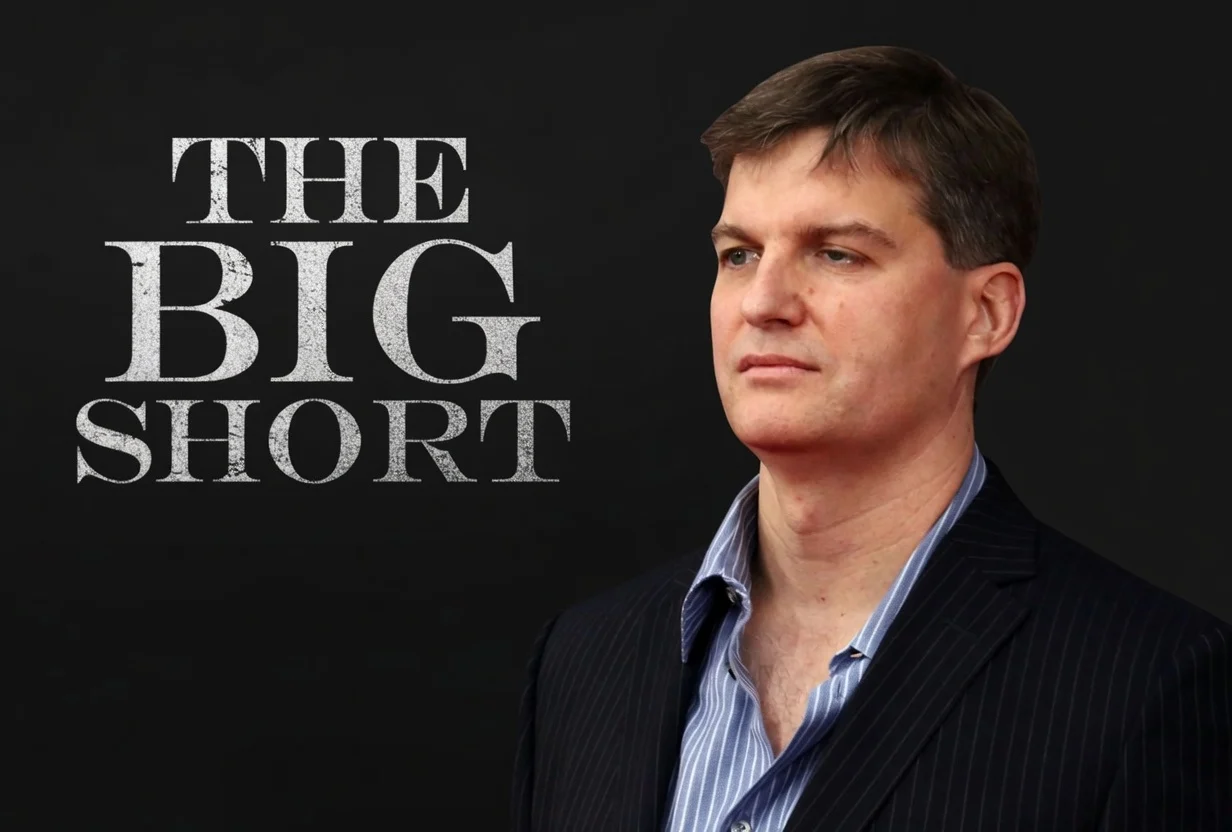
Michael Burry, the legendary investor who correctly forecast the 2008 housing market collapse, has sharply criticized Nvidia’s ambitious scheme to facilitate more than $500 billion in AI infrastructure funding.
In a post on X, Burry characterized the arrangement as a “Wall Street stunt,” establishing parallels to the intricate financial instruments that precipitated the 2008 economic meltdown.
The chipmaker recently executed memorandums of understanding with six prominent asset management firms: Apollo Global Management, BlackRock, Blackstone, Brookfield Asset Management, Goldman Sachs, and KKR.
The objective centers on enabling enterprises to fund data center infrastructure through institutional lending channels instead of corporate balance sheets.
Jensen Huang, Nvidia’s CEO, framed the initiative as marking the “first time that technology chips have become an investable asset class,” positioning semiconductors as productive capital assets.

Breaking Down the Financing Structure
The arrangement has Nvidia acquiring 25% equity positions in initiatives while supplying what the company terms a “residual value mechanism,” essentially guaranteeing that if operations falter, Nvidia will intervene to liquidate chips or secure alternative lessees.
Burry outlined what he perceives as a circular and excessively leveraged financing chain underpinning these agreements.
His diagram illustrated retirement annuity capital flowing through offshore reinsurance entities, becoming leveraged into asset-backed securities, and ultimately financing GPU acquisitions for customers including Elon Musk’s xAI.
A specific case he highlighted involved a special purpose vehicle acquiring $5.4 billion worth of Nvidia GB200 GPUs for leasing to xAI’s Grok supercomputer infrastructure.
Burry cautioned his audience: “Meet the new Boss. Same as the old Boss,” implying that minimal progress has occurred since the pre-crisis period of convoluted financial structuring.
Growing Skepticism Around AI Leverage
Burry isn’t the only voice expressing doubt. Market analyst Ed Yardeni characterized market response to these non-binding memorandums as “kind of ho hum” while cautioning about “a little bit of hype.”
According to Goldman Sachs Research estimates, AI-connected debt issuance hit approximately $500 billion in 2026, with credit teams noting investor “indigestion” regarding increasing debt maturity profiles and issuer consolidation.
The Bank for International Settlements issued a separate warning that Business Development Companies have extended $115 billion in loans to software companies, representing more than 80% of their technology loan books.
The BIS highlighted that generative AI market disruption could damage revenues at these software borrowers, introducing inadequately priced risk throughout private credit sectors.
Nvidia stock has climbed 16.62% year-to-date and settled at $217.50 on Tuesday. Shares traded approximately 1.17% higher in premarket activity on Wednesday, indicating markets are mostly dismissing Burry’s concerns at present.
Burry has recently expanded his short position against Nvidia using put options, demonstrating he’s backing his skeptical outlook with capital.
Get 3 Free Stock Ebooks
Discover top-performing stocks in AI, Crypto, and Technology with expert analysis.
- Top 10 AI Stocks - Leading AI companies
- Top 10 Crypto Stocks - Blockchain leaders
- Top 10 Tech Stocks - Tech giants



