


Key Highlights
QCOM shares declined 4.21% to $162.88 following the finalization of Modular takeover.
The acquisition brings advanced software infrastructure supporting diverse processor architectures.
Modular’s flagship products including Mojo, MAX, and Modular Cloud retain original branding.
Modular co-founder Chris Lattner assumes executive vice president role at Qualcomm.
Strategic move positions Qualcomm across mobile, cloud, edge computing, and industrial markets.
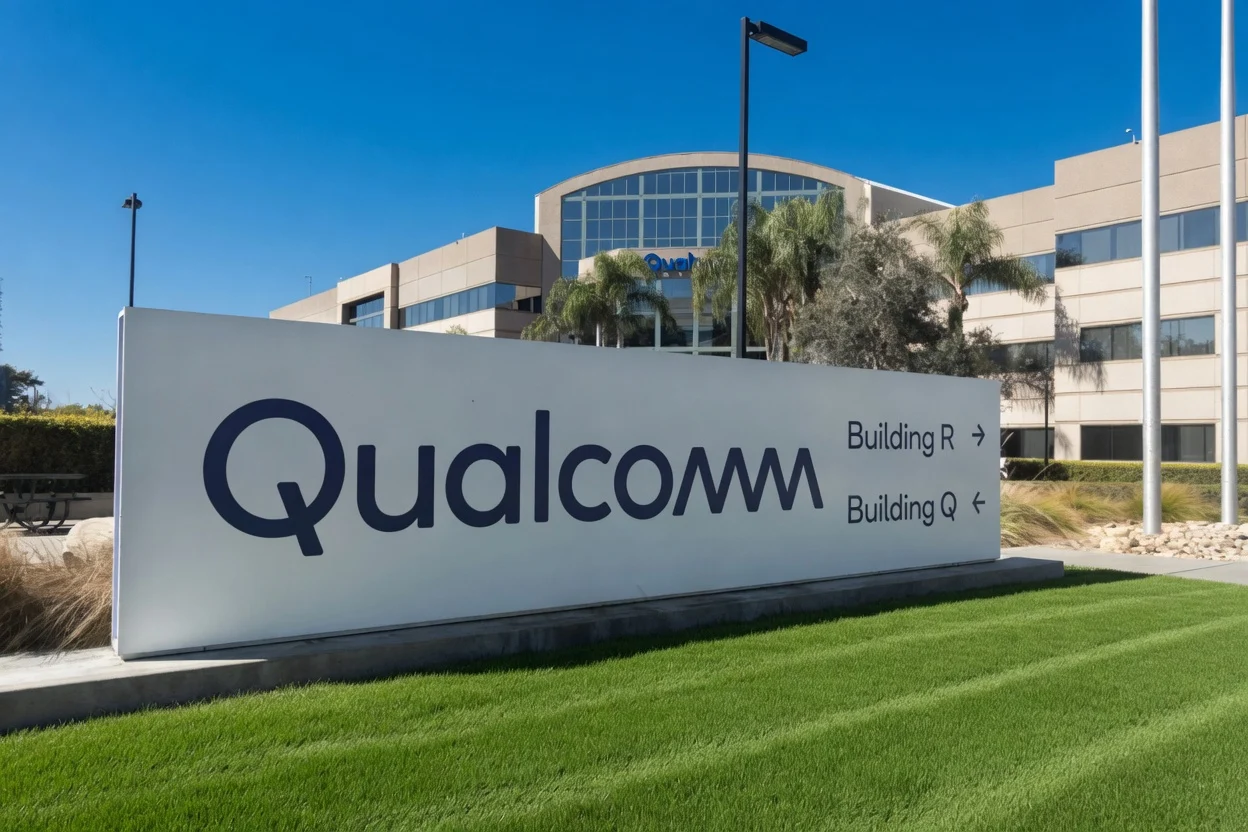
Shares of Qualcomm (QCOM) dropped 4.21%, closing at $162.88, following the chipmaker’s announcement that it has finalized the acquisition of Modular. This strategic transaction bolsters Qualcomm’s software infrastructure across mobile platforms, cloud computing, edge networks, and industrial applications. The move represents a significant enhancement to the company’s approach of integrating high-performance silicon with versatile software ecosystems.
Chipmaker Finalizes Modular Takeover
Qualcomm announced it has successfully closed the acquisition of Modular, a company specializing in cutting-edge software infrastructure solutions. This move represents the chipmaker’s latest effort to diversify beyond traditional mobile chip manufacturing and wireless technologies. Financial details, including purchase price and anticipated revenue impact, were not made public.
Modular’s technology enables software engineers to deploy sophisticated computing tasks across varied processor architectures. The platform offers compatibility with central processing units, graphics processing units, neural processing units, and specialized silicon designs. This acquisition provides Qualcomm with enhanced capabilities to bridge software applications with diverse hardware ecosystems.
The deal also transfers Modular’s technical workforce and development toolkit portfolio to Qualcomm Technologies. The chipmaker intends to integrate these assets with its current semiconductor and wireless offerings. This integration strategy may enhance Qualcomm’s ability to provide comprehensive hardware-software solutions to customers.

Original Product Names Preserved Post-Acquisition
Qualcomm confirmed that Mojo, MAX, and Modular Cloud will operate under their established brand identities. The company has pledged to expand investment levels and engineering resources dedicated to these platforms. Modular’s commitment to hardware-agnostic, open software architecture will remain unchanged.
Maintaining existing product branding ensures continuity for the developer community following the ownership change. This approach also allows Qualcomm to introduce these established tools to its extensive client base and technology partners. Meanwhile, Modular benefits from expanded market access across commercial, consumer, and industrial computing sectors.
Chris Lattner, Modular’s co-founder and former chief executive, has been appointed executive vice president overseeing Qualcomm’s advanced software and platform initiatives. This appointment ensures continuity of technical vision and leadership throughout the integration phase.
Chipmaker Broadens Computing Portfolio
Qualcomm established its market position through smartphone processors, cellular modems, and mobile communication technologies. In recent years, the company has diversified into automotive systems, personal computing, industrial equipment, and Internet of Things devices. The Modular transaction reinforces the software foundation supporting these expanding business segments.
The integrated platform will address computing demands spanning on-device processing, edge infrastructure, and cloud data centers. Qualcomm anticipates the software will enhance application speed, cross-platform compatibility, and power consumption efficiency. Engineers may also migrate computational tasks between processor types with reduced technical overhead.
Modular now gains access to Qualcomm’s extensive distribution channels, customer relationships, and worldwide industry alliances. Conversely, Qualcomm obtains software engineered for multiple processor configurations and deployment environments. Integration of these capabilities across the company’s growing product ecosystem becomes the immediate priority.
Get 3 Free Stock Ebooks
Discover top-performing stocks in AI, Crypto, and Technology with expert analysis.
- Top 10 AI Stocks - Leading AI companies
- Top 10 Crypto Stocks - Blockchain leaders
- Top 10 Tech Stocks - Tech giants



