


Quick Overview
- Bitcoin’s fixed supply of 21 million coins positions it as a digital scarcity asset attracting institutional capital
- Ethereum serves as the foundation for decentralized finance, asset tokenization, and programmable blockchain applications
- Bitcoin ETFs have opened traditional investment channels for crypto exposure without direct ownership requirements
- Ethereum’s proof-of-stake transition dramatically reduced environmental impact while enabling staking income opportunities
- A growing number of investors view both cryptocurrencies as complementary portfolio holdings rather than direct competitors
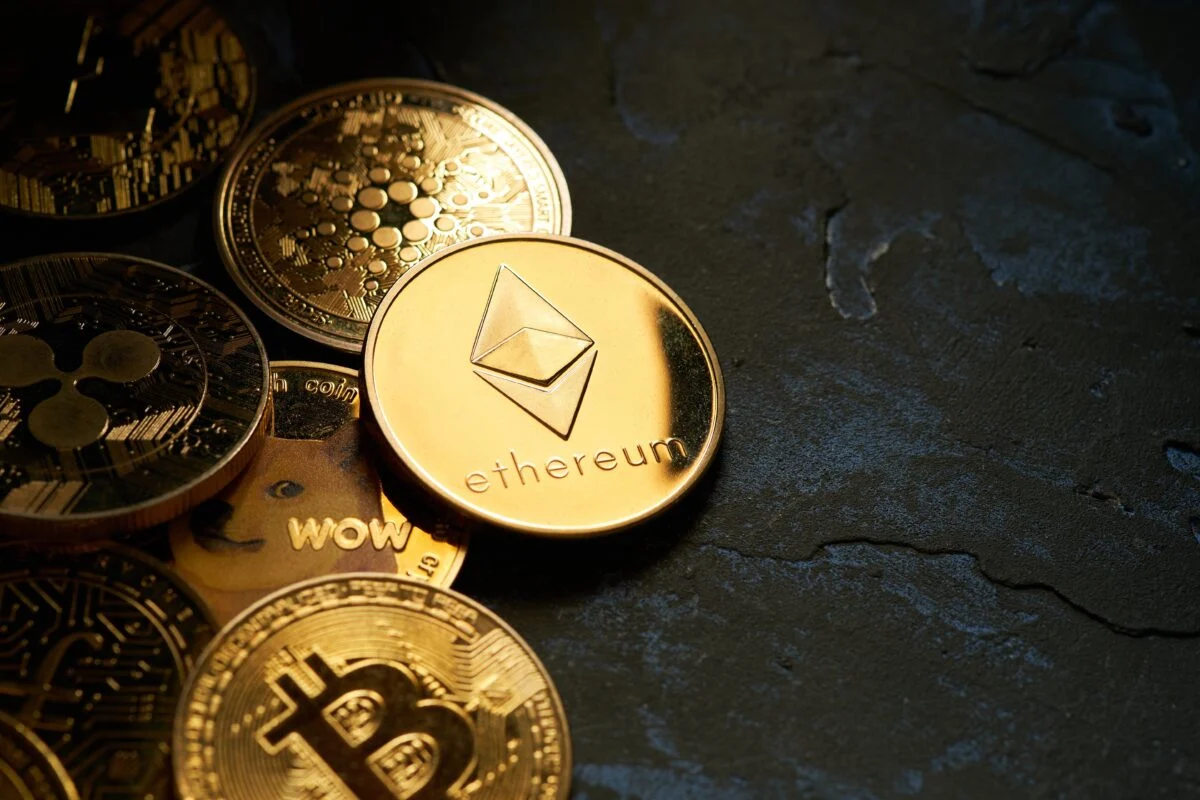
Bitcoin and Ethereum dominate the cryptocurrency landscape by market capitalization. Yet these two digital assets serve distinctly different purposes, leaving 2026 investors wondering which presents the superior opportunity.
The right choice ultimately depends on your specific investment objectives.
Bitcoin: Building the Digital Gold Narrative
Bitcoin’s fundamental design targets value preservation. With a hard-coded maximum of 21 million coins, it ranks among the world’s most limited assets.
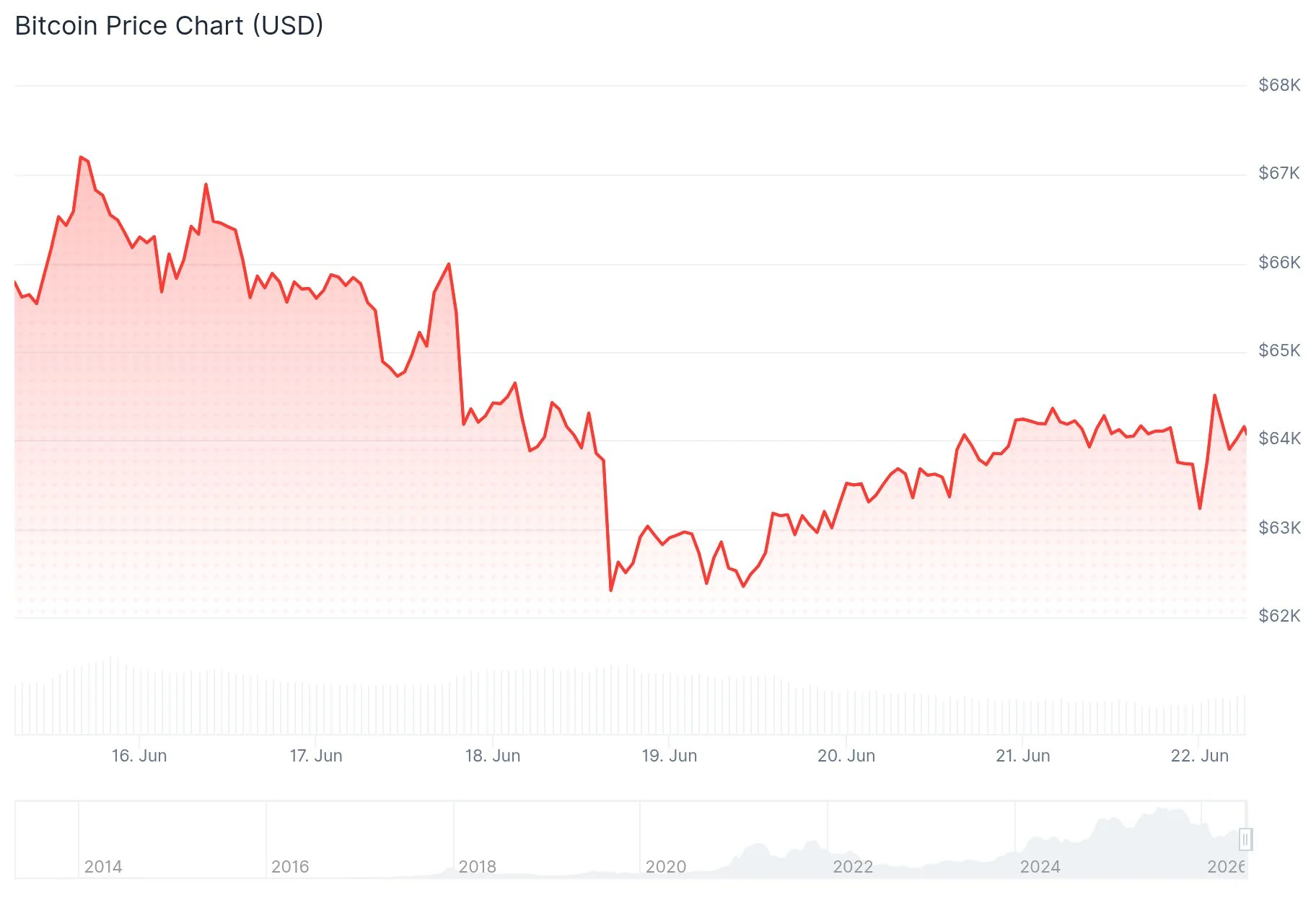
This inherent scarcity has drawn significant interest from institutional capital, retirement funds, and major corporations. Spot Bitcoin ETF approvals further simplified access for conventional investors who prefer avoiding direct cryptocurrency custody.
Numerous financial experts now draw parallels between Bitcoin and precious metals. If this comparison proves accurate, sustained institutional demand may provide long-term price stability.

Bitcoin maintains an unchallenged position within its category. No competing cryptocurrency has successfully disputed its role as the premier digital value reserve.
For risk-averse investors seeking relative safety, Bitcoin’s straightforward proposition and mainstream acceptance represent the more conservative selection.
Ethereum: Unlocking Programmable Blockchain Value
Ethereum derives its value proposition from network activity. The platform underpins decentralized financial services, digital dollar systems, tokenized traditional assets, and countless decentralized applications.
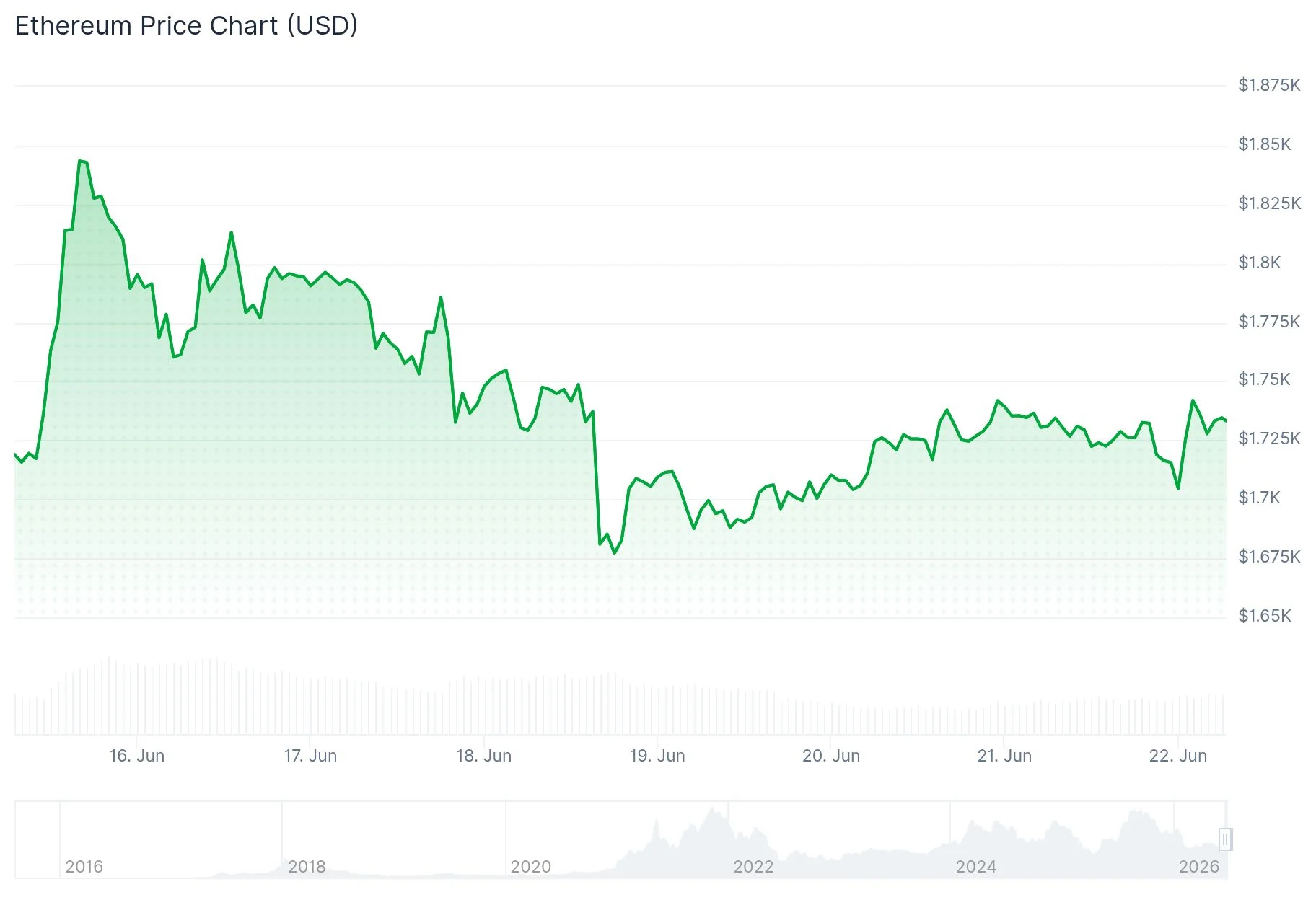
Each interaction with these applications generates network fees for Ethereum. Increased platform usage directly correlates with heightened demand.
Ethereum’s transition to proof-of-stake slashed energy consumption dramatically. This upgrade simultaneously introduced staking mechanisms that reward token holders for network participation.
Leading financial firms are actively testing blockchain-based securities and investment products. Ethereum consistently ranks among the preferred platforms for these institutional experiments.
Advocates argue Ethereum functions more as an infrastructure platform than a simple digital currency.
Competitive Landscape and Considerations
Ethereum confronts considerably more competitive pressure than Bitcoin. Rival platforms including Solana and Avalanche actively compete for developer talent and user adoption.
Bitcoin operates without comparable competition. Its digital gold positioning remains essentially unchallenged.
Nevertheless, both assets have captured substantial institutional investment. Both cryptocurrencies now feature prominently in mainstream financial discourse.
Investors increasingly reject the either-or framework. Many portfolios include both assets, leveraging Bitcoin for foundational stability and Ethereum for technology-driven growth potential.
Heading into 2026, Bitcoin maintains superior institutional credibility. Ethereum offers greater upside potential linked to expanding blockchain integration.
Current metrics confirm Ethereum continues dominating all competing blockchains in total value secured within decentralized finance protocols.
Get 3 Free Stock Ebooks
Discover top-performing stocks in AI, Crypto, and Technology with expert analysis.
- Top 10 AI Stocks - Leading AI companies
- Top 10 Crypto Stocks - Blockchain leaders
- Top 10 Tech Stocks - Tech giants



