


Key Highlights
- Russian authorities approve Bitcoin, Ethereum, and USDT for supervised exchange platforms.
- Individual investors face yearly purchase caps and required competency assessments.
- Bitcoin qualifies through demonstrated market depth, liquidity metrics, and five-year price history.
- Ethereum secures approval within Russia’s structured digital asset trading system.
- USDT stands as the sole stablecoin included in Russia’s inaugural regulated cryptocurrency roster.
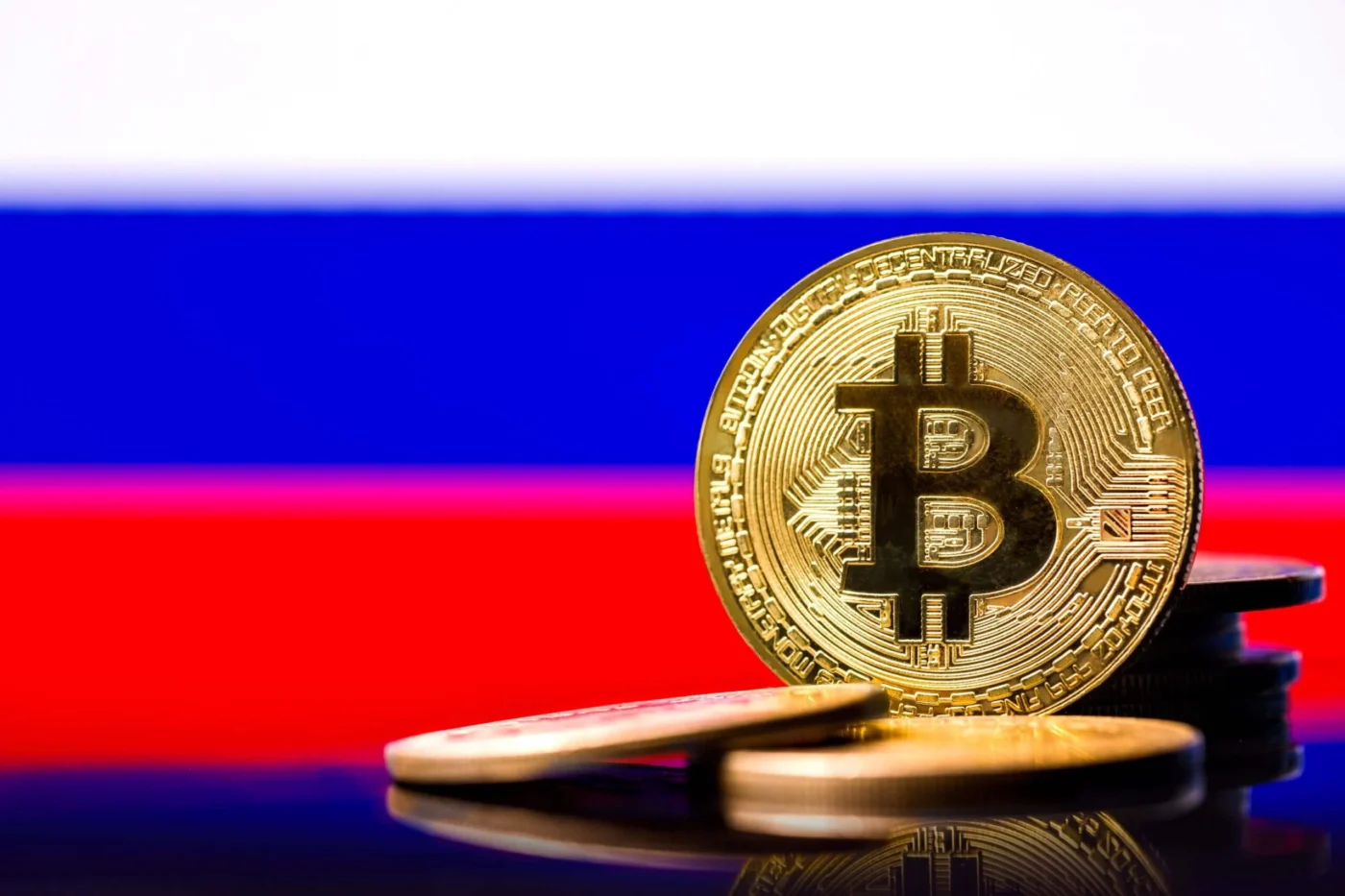
Russian financial authorities are establishing a supervised cryptocurrency trading environment featuring Bitcoin, Ethereum, and USDT for public market participants. The Bank of Russia evaluated these digital assets based on market depth, liquidity metrics, transaction volumes, and historical price data. This initiative forms part of an extensive digital currency regulatory structure set to launch on September 1.
Bitcoin Secures Top Position in Russia’s Approved Crypto Roster
Bitcoin claims the primary spot on the authorized roster due to its satisfaction of the central bank’s liquidity and historical trading criteria. Qualifying digital assets must demonstrate substantial market valuation, consistent daily transaction activity, and minimum five-year international pricing records. These benchmarks restrict public market access to cryptocurrencies possessing established markets and extensive trading backgrounds.
Retail investors without professional qualification will encounter a 300,000-ruble yearly acquisition threshold per authorized intermediary. These participants must successfully pass a competency examination before purchasing Bitcoin via supervised exchanges or broker platforms. Professionally qualified investors gain unrestricted Bitcoin access following completion of mandatory testing procedures.
Russian leadership signed the comprehensive digital currency legislation on August 4, granting regulatory oversight to the central bank. The legislation maintains prohibitions on domestic crypto payments while establishing regulated investment pathways under specified parameters. It simultaneously authorizes select international crypto settlements between Russian citizens and foreign entities.
Ethereum Secures Approval Within Russia’s Structured Trading System
Ethereum gains eligibility by satisfying identical market capitalization, liquidity, and trading record benchmarks. The central bank analyzed market valuation, mean daily transaction volumes, and international pricing documentation when determining qualified assets. Ethereum’s proven market track record consequently justifies its placement alongside Bitcoin in the preliminary approved selection.
The Bank of Russia will gather public feedback on the proposed regulations until August 24. Following this consultation period, finalized rules will direct organized markets functioning under the new digital asset regulatory scheme. Platform operators must adhere to specifications addressing trading protocols, asset custody, financial reporting, and client eligibility.

The regulatory structure additionally establishes registration criteria for cryptocurrency exchange operators serving Russian clients. Operators must maintain minimum equity capital of 15 million rubles and affiliate with recognized self-regulatory bodies. Current service providers have until July 1, 2027, to satisfy registration obligations.
USDT Gains Entry to Russia’s Regulated Digital Asset Marketplace
Tether’s USDT represents the exclusive stablecoin designated in Russia’s preliminary roster for public exchange operations. Its market capitalization, trading volume, and documented pricing background fulfill the proposed qualification criteria. This designation provides regulated platforms with a dollar-pegged digital asset complementing Bitcoin and Ethereum.
Russian financial institutions have begun developing infrastructure for the emerging marketplace, including custody solutions and brokerage capabilities. Alfa-Bank, Sberbank, T-Bank, and VTB have investigated cryptocurrency offerings ahead of complete regulatory activation. Their strategies encompass digital wallets, secure depositories, trading platforms, and crypto-to-ruble conversion systems.
Russia will continue blocking cryptocurrency payments for standard merchandise, services, data, and intellectual property transactions. Nevertheless, the emerging framework establishes official channels for supervised crypto trading and sanctioned international settlement operations. Bitcoin, Ethereum, and USDT constitute the initial proposed asset category within the regulated marketplace infrastructure.
Get 3 Free Stock Ebooks
Discover top-performing stocks in AI, Crypto, and Technology with expert analysis.
- Top 10 AI Stocks - Leading AI companies
- Top 10 Crypto Stocks - Blockchain leaders
- Top 10 Tech Stocks - Tech giants



