


Key Takeaways
- Law enforcement initiates unprecedented investigation into Polymarket participants in South Korea
- Authorities investigate domestic users for suspected unlawful wagering activities
- Platform attracts regulatory attention following significant election-related trading volume
- Investigation examines application of traditional gambling statutes to blockchain-based markets
- Participants under scrutiny as nation strengthens enforcement of betting restrictions
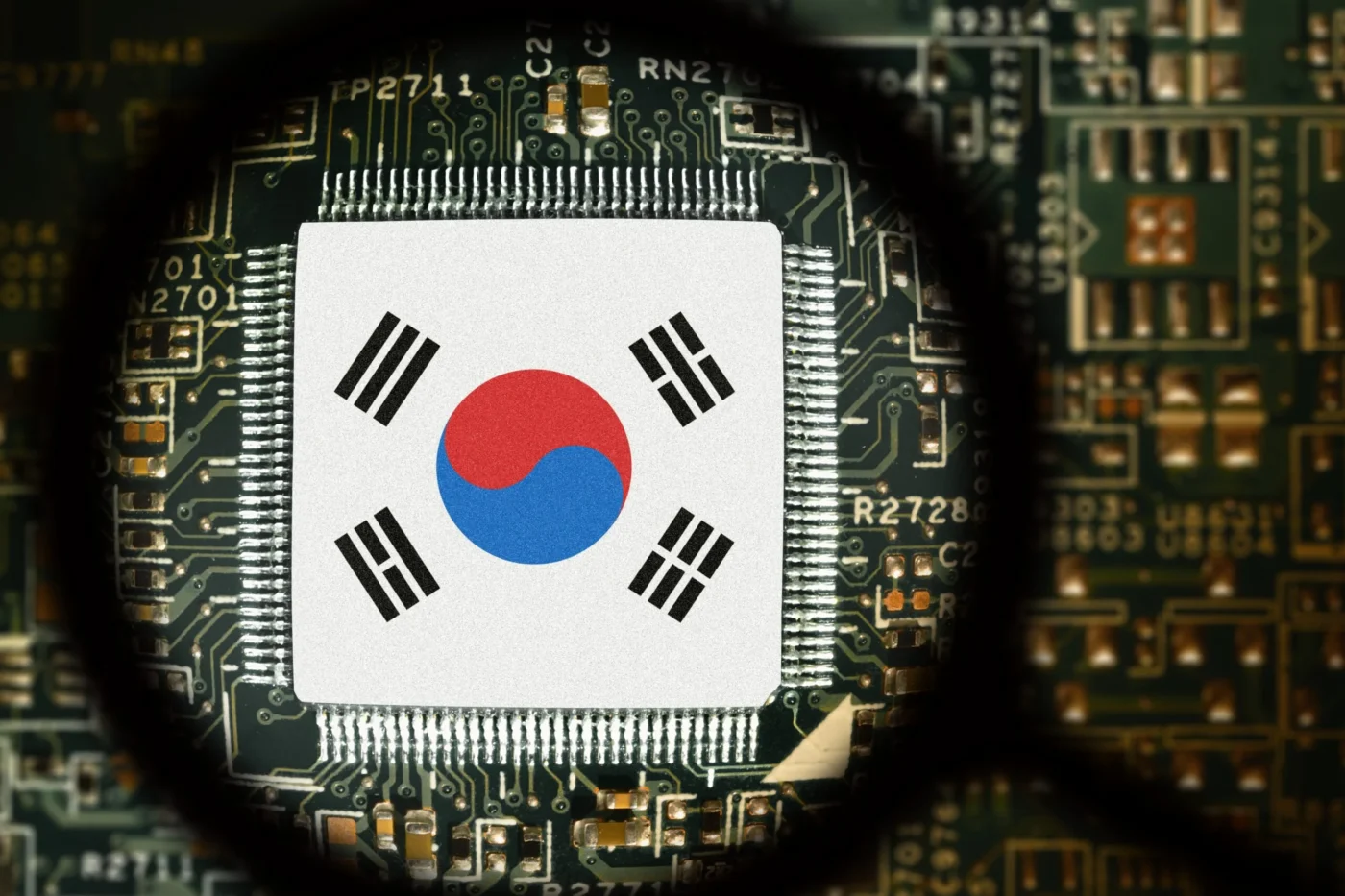
Law enforcement officials in South Korea have initiated an investigation into citizens using Polymarket, representing the nation’s inaugural known enforcement action against participants of the platform. Authorities are examining individuals who reportedly engaged in wagering through the decentralized prediction marketplace built on blockchain technology. The development presents new challenges regarding the enforcement of South Korea’s gambling statutes on decentralized digital platforms.
Authorities Launch Unprecedented User Investigation
The Gangwon Provincial Police Agency has assumed responsibility for the case following a referral from National Police Agency officials. The investigation encompasses participants throughout the nation, including those residing within Gangwon Province. Law enforcement seeks to establish whether platform engagement constituted violations of domestic gambling statutes.
Polymarket operates as a venue where participants purchase and sell contracts based on potential real-world developments, spanning political contests, financial markets, athletic competitions, and economic indicators. South Korean legislation prohibits most forms of private wagering. The nation exclusively authorizes restricted betting operations through government-sanctioned Sports Toto offerings.
Existing regulations permit Sports Toto bets with a maximum threshold of ₩100,000, while alternative wagering platforms encounter legal barriers. Consequently, investigators are evaluating Polymarket engagement under Criminal Act Article 246. This statute addresses gambling and chronic wagering offenses, imposing monetary penalties up to ₩10 million.
Regulatory Framework Questions Platform Availability
Polymarket continues to be available within South Korea without requiring virtual private network services, based on domestic media accounts. Participants can execute transactions using dollar-pegged stablecoins, given the platform operates via blockchain-enabled settlement systems. As a result, enforcement efforts may concentrate on domestic participants instead of platform administrators.
The investigation attracted heightened scrutiny after Polymarket introduced markets connected to South Korea’s June 3 municipal elections. Domestic media indicated associated trading volumes reached substantial won-equivalent amounts. This election-focused activity subsequently intensified regulatory awareness of prediction market participation among Korean citizens.

Legal counsel Ahn Chang-bo, representing certain participants, acknowledged that components of gambling offenses appear applicable. He observed that South Korea lacks established judicial precedent for penalizing Polymarket engagement. This gap creates uncertainty regarding potential legal consequences for those currently under investigation.
Investigation Expands Digital Asset Enforcement Parameters
South Korea has strengthened regulatory actions concerning digital assets, encompassing operations on decentralized infrastructures. During May, prosecutors filed charges against multiple individuals connected to the CATFI meme coin incident. Officials characterized that matter as a significant enforcement action involving decentralized exchange activity under consumer protection frameworks.
Prosecutors claimed the defendants promoted the Solana-network token through deceptive online communications before orchestrating an exit scam. The prosecution demonstrated that authorities possess jurisdiction over activities extending beyond regulated exchanges. It indicated an expanded regulatory focus encompassing blockchain-based financial operations.
The Polymarket investigation now applies this enforcement philosophy to prediction markets and digital wagering platforms. While the platform functions within legal parameters in the United States, Korean legislation categorizes private gambling under distinct classifications. The investigation may therefore establish precedent for how South Korea regulates decentralized prediction platforms and determines domestic participant accountability.
Get 3 Free Stock Ebooks
Discover top-performing stocks in AI, Crypto, and Technology with expert analysis.
- Top 10 AI Stocks - Leading AI companies
- Top 10 Crypto Stocks - Blockchain leaders
- Top 10 Tech Stocks - Tech giants



