


Key Takeaways
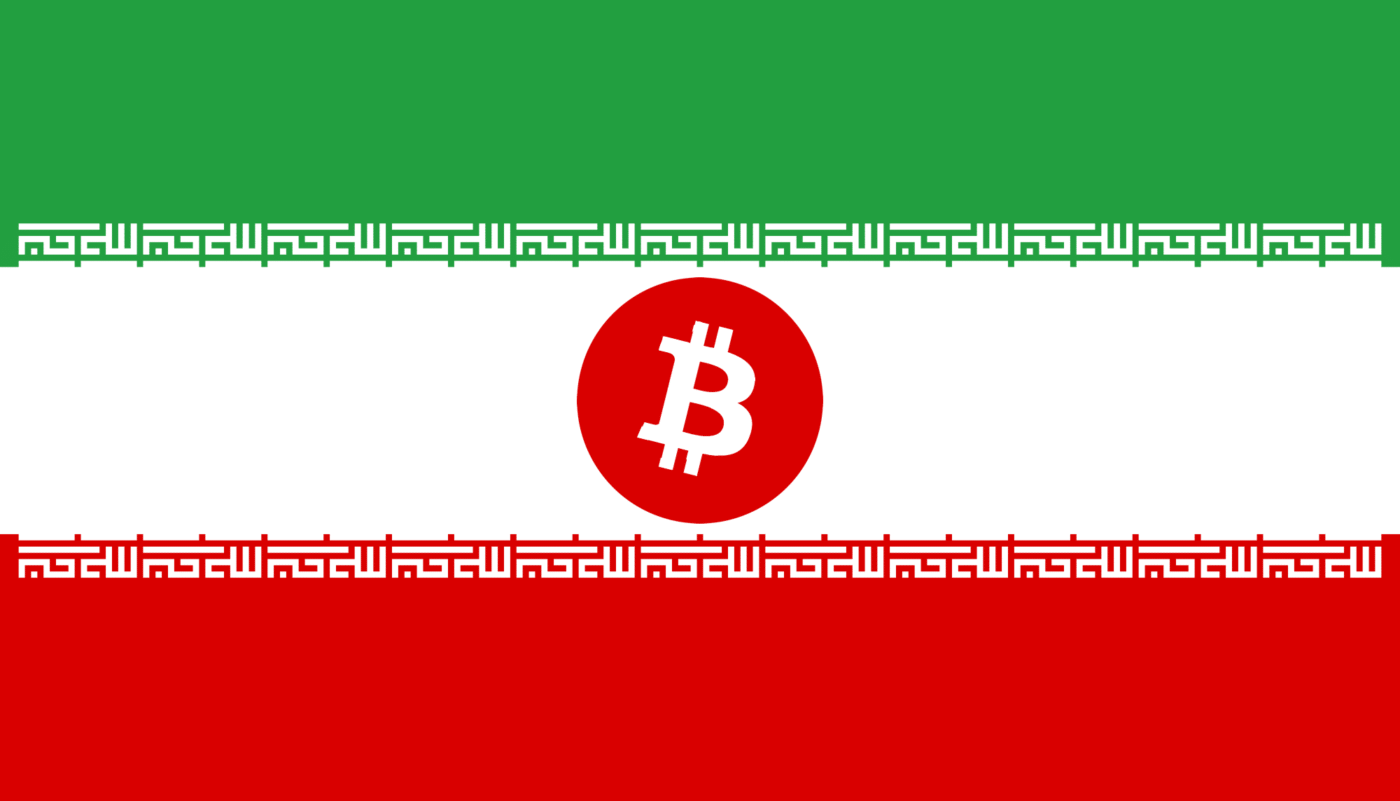
- BitBank received sanctions from U.S. Treasury for allegedly facilitating Bitcoin transfers connected to Iran’s IRGC.
- The exchange reportedly processed hundreds of millions of dollars in Bitcoin transactions during June and July.
- Treasury designated BitBank’s software development company and three individuals connected to Iranian financier Babak Zanjani.
- This enforcement action represents a component of Operation Economic Outcast, a comprehensive U.S. initiative against Iranian financial operations.
- American officials continue expanding enforcement against Iranian cryptocurrency platforms allegedly assisting sanctioned organizations in fund transfers.
On September 17, the U.S. Treasury Department imposed sanctions on Iranian cryptocurrency exchange BitBank, alleging the platform facilitated Bitcoin payments to Iran’s Islamic Revolutionary Guard Corps. According to the Office of Foreign Assets Control, the platform processed transfers totaling hundreds of millions of dollars through a sanctions evasion operation associated with Iranian financier Babak Zanjani.
BitBank and Software Developer Face Designation
OFAC simultaneously designated Pishtaz Simorgh Electronic Trade Company, the firm responsible for developing BitBank’s platform. Treasury officials identified three associates of Zanjani: Hossein Ali Zaker Hossein, Mohammad Mahdi Zaker Hossein and Seyed Adel Heidari. According to Treasury, these entities and individuals facilitated a digital currency operation designed to transfer funds beyond traditional financial oversight.
Treasury identified BitBank as a significant digital asset operation under Zanjani’s control. OFAC previously sanctioned Zanjani for involvement in enterprises that American authorities claim enabled Iran to transfer funds while circumventing international restrictions. The designation subjects BitBank and its developer to Executive Order 13902.
According to Treasury statements, Zanjani utilized BitBank during a June-July period to transmit hundreds of millions of dollars in Bitcoin directly to the IRGC. The department additionally stated that Hormuz Safe Marine Services Authority has employed BitBank since June for processing payments received on behalf of the Iranian government.
Hormuz Safe provides maritime operations related to vessels navigating the Strait of Hormuz and processes digital currency payments. American authorities allege the service functions as a payment collection mechanism for Iran. Treasury indicated the current sanctions specifically address the financial infrastructure enabling these transfers and alternative cryptocurrency payment channels.
Operation Economic Outcast Expands Enforcement Scope
The BitBank designation represents part of Operation Economic Outcast, a program Treasury launched on August 24. This initiative focuses on operations that American authorities claim facilitate Iran’s oil sales, money movement, financing of state-affiliated organizations and circumvention of international sanctions through banking institutions, corporations and digital currencies.

This enforcement measure follows previous actions against Iranian cryptocurrency platforms and financial operations. In a related case this week, the U.S. Justice Department filed legal action seeking nearly $61 million in cryptocurrency allegedly connected to unauthorized Iranian oil transactions. The filing alleged two China-based entities utilized Binance accounts to process funds associated with Iranian petroleum commerce and IRGC-connected beneficiaries.
OFAC regulations require U.S. persons to freeze designated property and submit reports, while entities with 50% or greater ownership by sanctioned parties face direct restrictions. These requirements remain enforceable unless OFAC issues a specific license or exemption.
Get 3 Free Stock Ebooks
Discover top-performing stocks in AI, Crypto, and Technology with expert analysis.
- Top 10 AI Stocks - Leading AI companies
- Top 10 Crypto Stocks - Blockchain leaders
- Top 10 Tech Stocks - Tech giants



