



Key Takeaways
- The demand for privacy-oriented cryptocurrencies is surging as concerns mount over blockchain transparency and Know Your Customer (KYC) requirements
- Monero operates with mandatory privacy on every transaction, positioning it as the most authentic privacy cryptocurrency while attracting significant regulatory scrutiny
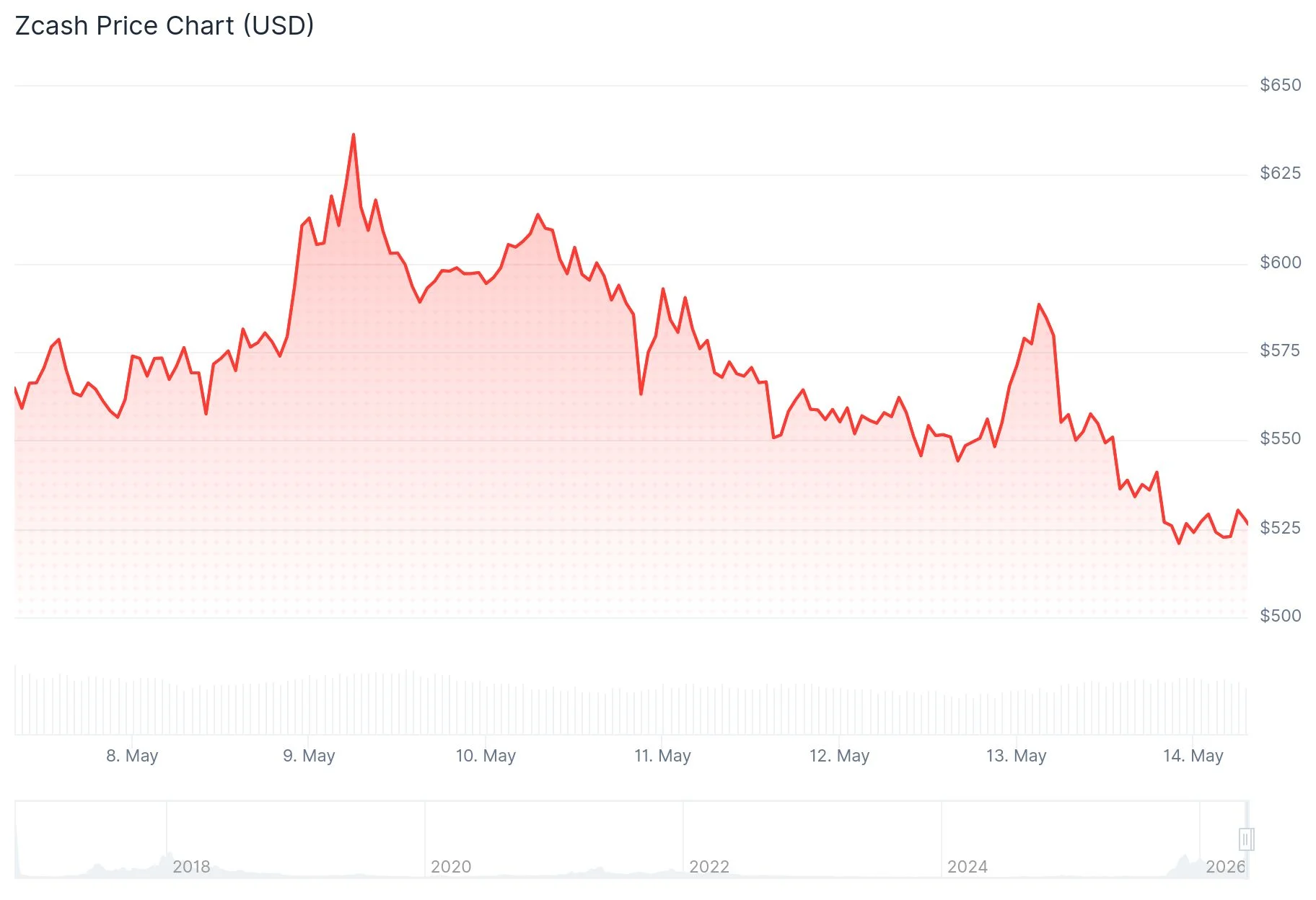
- Following Multicoin Capital’s disclosure of a substantial investment on May 6, Zcash surged past $585, marking a 2026 peak
- Dash functions primarily as a transaction-focused cryptocurrency with optional privacy capabilities rather than a dedicated privacy solution
- Regulatory challenges pose the primary threat to all three cryptocurrencies, with multiple jurisdictions implementing delisting measures
Privacy-focused cryptocurrencies are re-emerging on investment radars throughout May. Heightened awareness surrounding financial monitoring, increasingly stringent exchange protocols, and blockchain analytics are driving cryptocurrency users toward assets offering enhanced transactional confidentiality.
While blockchains like Bitcoin and Ethereum display all transaction data publicly, privacy-centric cryptocurrencies are architecturally designed to obscure transaction information. This can encompass hiding the originating party, the recipient, and the transfer amount.
The category remains polarizing. Financial authorities and trading platforms have approached privacy tokens cautiously, contending they complicate regulatory compliance. Advocates counter this perspective—arguing that if physical currency provides anonymity, digital alternatives should offer similar protections.
Three cryptocurrencies are particularly noteworthy this month: Monero, Zcash, and Dash. Each implements a distinct privacy methodology, and each presents unique risk considerations.
Monero: Mandatory Anonymity with Maximum Regulatory Exposure
Monero stands as the most recognized privacy cryptocurrency. Confidentiality is embedded into the protocol fundamentally—all transactions are private without any transparent alternative.

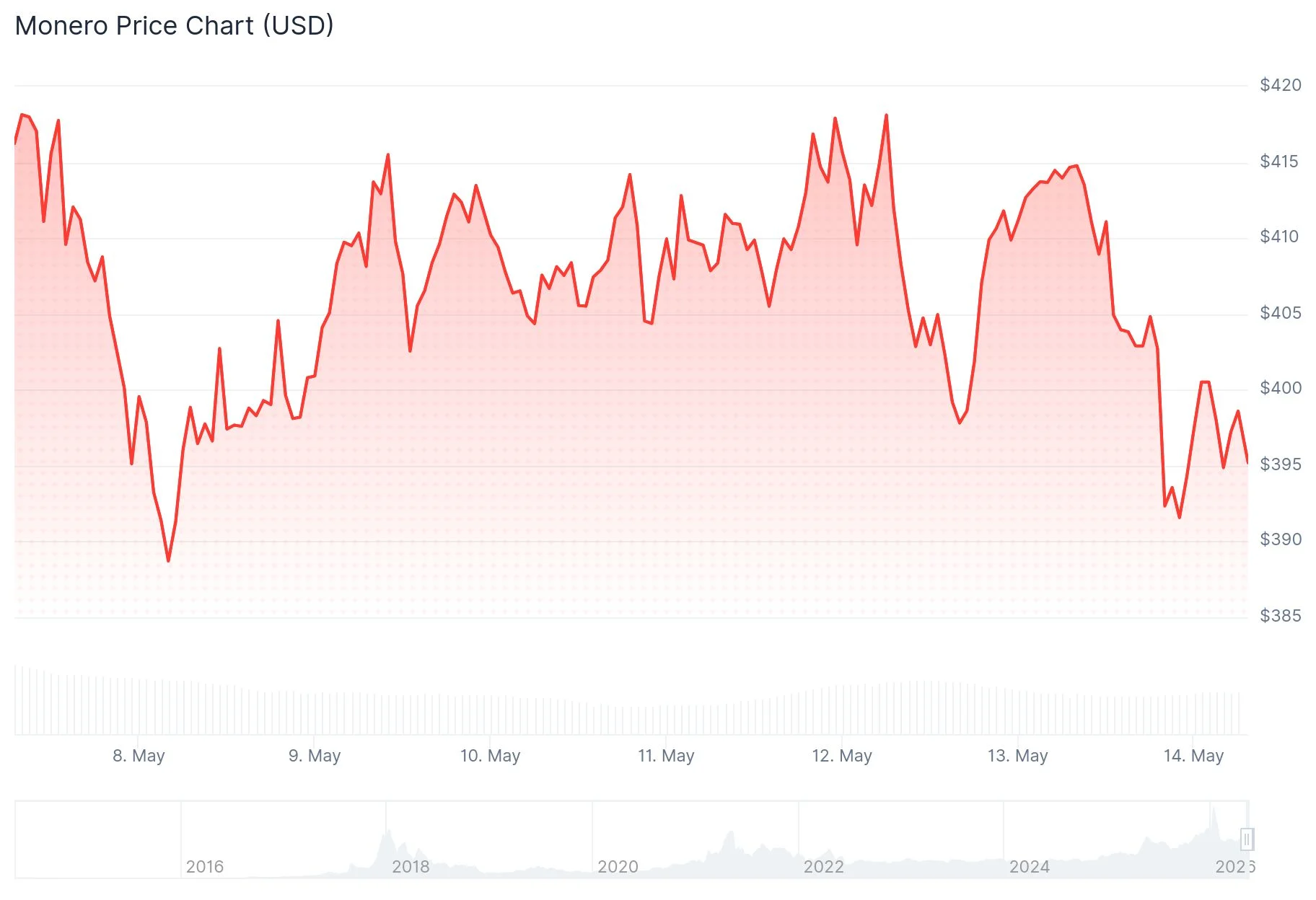
The network employs ring signatures, stealth addressing, and confidential transaction mechanisms to conceal senders, recipients, and amounts. This represents the most comprehensive implementation of compulsory transaction privacy within cryptocurrency.
Monero doesn’t position itself as a smart contract ecosystem or expansive payment infrastructure. Its purpose is straightforward: anonymous digital currency.
This singular focus has cultivated one of cryptocurrency’s most dedicated communities. Interest in private transactions may intensify as surveillance concerns escalate among users.
The primary vulnerability is regulatory intervention. Nations including Japan, South Korea, India, and various European jurisdictions have already imposed restrictions on privacy coins through regulated platforms. Monero consistently faces the earliest regulatory targeting.
Zcash: Institutional Backing and Advanced Cryptography
Zcash employs an alternative strategy. The protocol enables both visible and private transactions, providing user discretion rather than mandating confidentiality universally.
Its privacy architecture relies on zero-knowledge proof technology, enabling transaction validation without exposing underlying transaction details.
Throughout 2026, Zcash has emerged as one of the most closely monitored privacy cryptocurrencies following Multicoin Capital’s announcement of a significant holding on May 6. The token reached a new 2026 peak exceeding $585 shortly thereafter.
This development carries significance because privacy cryptocurrencies have predominantly attracted retail investors. Institutional participation transforms the narrative and indicates some investors view privacy as a broader digital rights or foundational infrastructure theme.
Zcash may also attract investors seeking privacy exposure while preferring a cryptocurrency with optional transparency, facilitating discussions within regulated environments.
The central risk involves adoption patterns. If the majority of users maintain transparent transactions, the privacy benefit diminishes practically.
Dash: Transaction Speed Prioritized Over Privacy
Dash originated as a privacy-oriented Bitcoin derivative but reoriented toward rapid digital transactions. Its PrivateSend functionality utilizes CoinJoin-style transaction mixing, which provides some confidentiality but differs fundamentally from Monero’s mandatory model or Zcash’s zero-knowledge proof architecture.
This positions Dash less as a dedicated privacy cryptocurrency and more as a transaction-focused asset with supplementary privacy options.
This positioning can provide advantages in certain markets. Its transaction-oriented identity resonates more clearly with investors, and it has historically appealed to users prioritizing faster, more economical transfers.
Dash was recognized among the sector’s strongest performers when privacy tokens outpaced the broader market earlier this year, according to CoinDesk.
The vulnerability is that Dash occupies an intermediate position between two narratives. It may not satisfy strict privacy advocates, yet its privacy associations can still trigger complications on regulated platforms.
Concluding Analysis
Monero represents the most uncompromising privacy solution. Zcash delivers zero-knowledge proof innovation and increasing institutional engagement. Dash provides transaction functionality with supplementary privacy features.
The potential across all three remains consistent: if anxieties regarding surveillance and platform restrictions intensify, privacy cryptocurrencies could capture renewed attention.
The risk is equally transparent: regulatory pressure. Exchange availability for privacy cryptocurrencies can shift rapidly, and the sector continues to represent one of cryptocurrency’s most scrutinized segments.
Get 3 Free Stock Ebooks
Discover top-performing stocks in AI, Crypto, and Technology with expert analysis.
- Top 10 AI Stocks - Leading AI companies
- Top 10 Crypto Stocks - Blockchain leaders
- Top 10 Tech Stocks - Tech giants



