


Key Takeaways
- Worldwide military expenditures keep climbing, fueled by NATO defense targets and international security concerns
- RTX operates across three core segments: missile systems, aviation propulsion, and commercial aerospace solutions
- Lockheed Martin maintains an industry-leading portfolio of long-term government agreements
- AeroVironment upgraded its financial projections following impressive quarterly performance and diversification into space and cybersecurity
- Unmanned aerial systems represent one of the most rapidly expanding categories in military technology
Military appropriations are experiencing significant expansion globally. Nations are allocating increased resources toward missile technology, unmanned systems, and sophisticated defense infrastructure. This trend has positioned defense contractors as attractive investment opportunities.
Let’s examine three companies currently drawing attention from market analysts.
RTX
RTX stands out as among the most comprehensive players in aerospace and defense manufacturing.
This corporation manages operations across three strategic business units: Raytheon, Pratt & Whitney, and Collins Aerospace. This structure provides the company with involvement in missile technology, defense electronics, propulsion systems, avionics equipment, and civilian aviation simultaneously.

Missile defense capabilities have emerged as a significant revenue catalyst for RTX. Nations worldwide are expanding investments in aerial protection platforms and precision-guided weaponry. The firm has secured extended manufacturing contracts, including provisions for Tomahawk cruise missiles.
Its civilian aerospace operations contribute an additional income source independent of government appropriations, creating portfolio stability.
Lockheed Martin
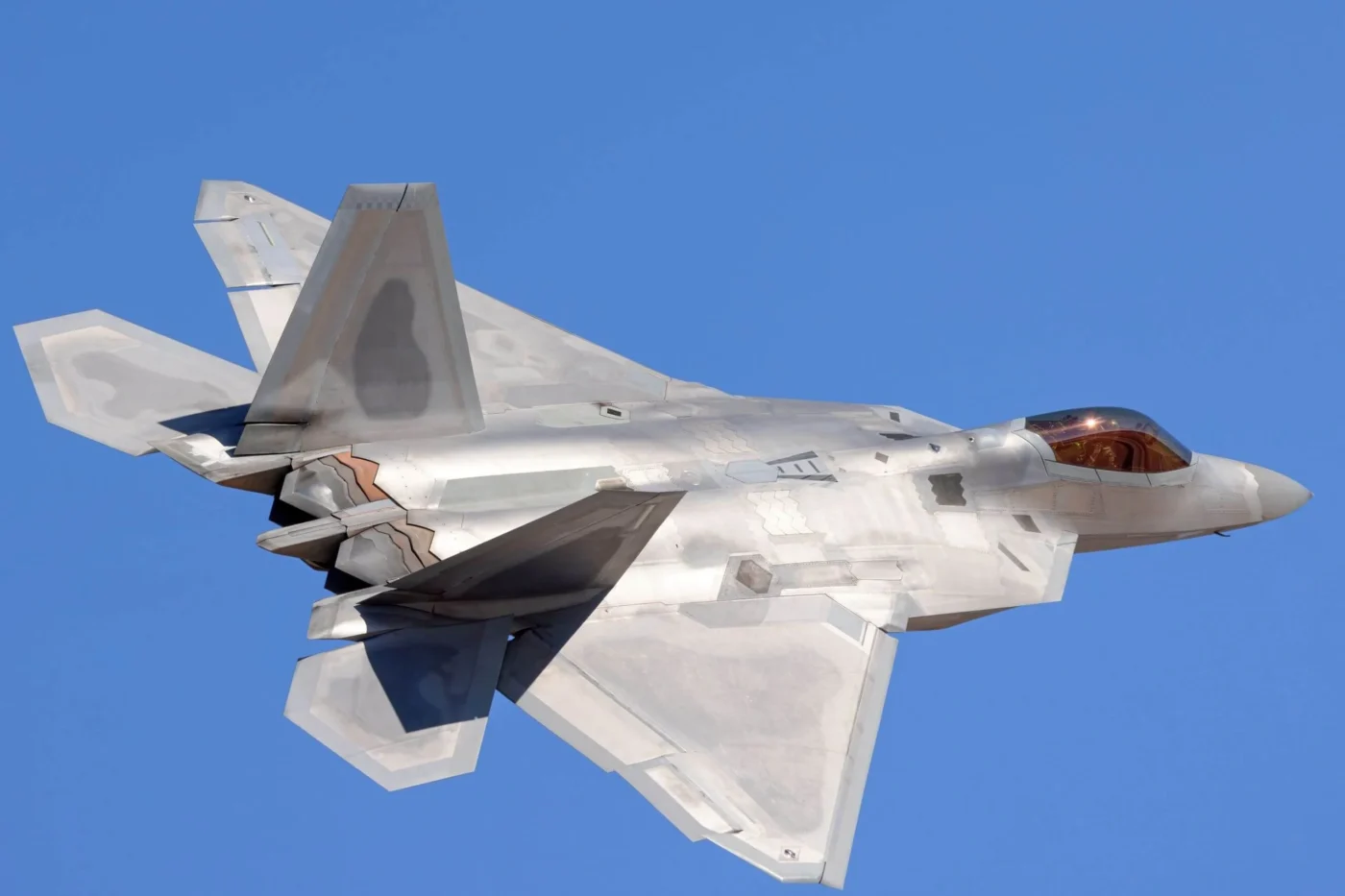
Lockheed Martin has gained recognition primarily through the F-35 combat aircraft program, though its operations extend considerably beyond fighter jets.
Lockheed Martin Corporation, LMT
This contractor additionally produces missile platforms, orbital technologies, integrated protection systems, and sophisticated military networking solutions. It ranks among the planet’s most substantial defense manufacturers.
Its contractual backlog represents a primary competitive advantage. Extended government agreements provide the organization with reliable forecasting for upcoming revenues and liquidity.
Ongoing NATO deliberations regarding enhanced defense allocations and requirements for next-generation combat aircraft have maintained Lockheed’s prominence among investment analysts. The corporation additionally distributes dividends, attracting investors seeking regular income.
AeroVironment
AeroVironment pursues a distinctive strategy within the defense marketplace.
This enterprise specializes in unmanned aerial vehicles, tactical loitering weapons, and counter-UAS technologies. It recently completed the acquisition of BlueHalo, incorporating competencies in orbital platforms, directed energy weapons, and digital defense.
Contemporary military engagements have demonstrated the critical importance of remotely operated platforms in combat operations. Governments are expanding procurement in this technology segment, positioning AeroVironment as a primary beneficiary.
The company recently reported robust quarterly financials and elevated its forward guidance. Industry analysts consistently emphasize drone capabilities as among the most dynamically growing domains in military contracting.
AeroVironment experiences greater share price fluctuation compared to established contractors like RTX or Lockheed, though it simultaneously presents enhanced expansion prospects as military transformation increasingly emphasizes autonomous platforms.
Investment Considerations
These three corporations occupy distinct positions within the defense manufacturing landscape.
RTX delivers the most comprehensive business diversification. Lockheed furnishes consistency through extended contractual commitments and shareholder distributions. AeroVironment presents investors with participation in next-generation combat technologies.
International defense appropriations demonstrate limited indication of deceleration. NATO alliance participants are elevating military expenditures, while demand for unmanned systems, missiles, and advanced platforms continues expanding. These three companies are strategically positioned within this macroeconomic development.
Get 3 Free Stock Ebooks
Discover top-performing stocks in AI, Crypto, and Technology with expert analysis.
- Top 10 AI Stocks - Leading AI companies
- Top 10 Crypto Stocks - Blockchain leaders
- Top 10 Tech Stocks - Tech giants



