



Quick Summary
- Ethereum remains the dominant blockchain with strong institutional backing and an extensive decentralized application network
- Solana offers superior speed and minimal costs, with transaction fees averaging just $0.00025
- Spot ETF products are now available for both cryptocurrencies in the United States, leveling the institutional playing field
- Stablecoin circulation on Solana exceeds $11 billion, generating over 200 million monthly transactions
- While both present significant risks, Ethereum tends to be viewed as the more stable long-term investment
Both Ethereum and Solana function as smart-contract platforms, yet their architectures and investor appeal differ substantially.
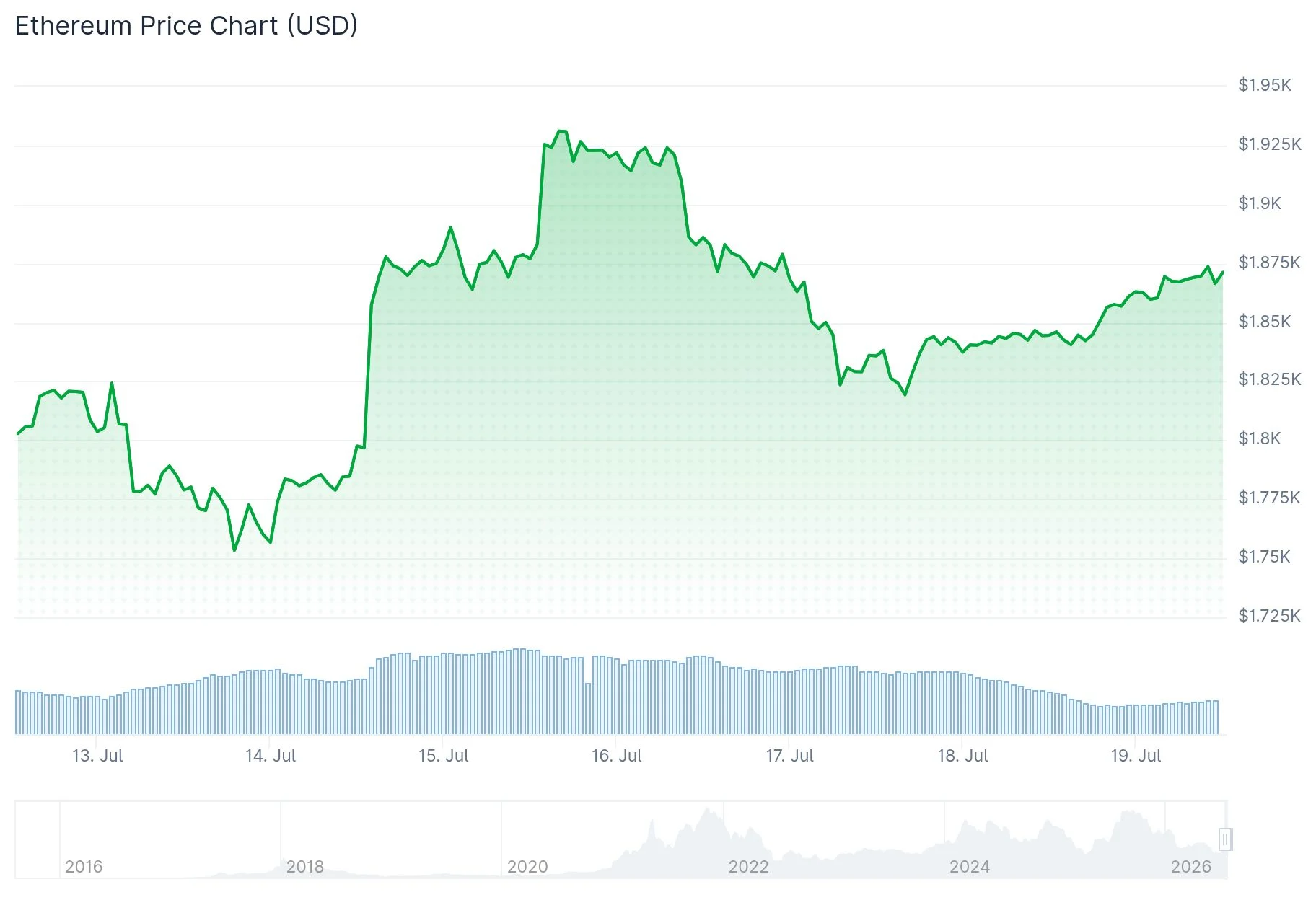
Ethereum stands as the more mature platform in the blockchain space. It supports thousands of decentralized applications, stablecoin projects, and real-world asset tokenization initiatives. The network’s layer-2 scaling approach offloads transaction processing from the base layer while maintaining Ethereum’s security guarantees for final settlement.
The year 2024 marked a turning point when American financial regulators greenlit spot Ethereum ETF products. This development opened doors for traditional investors to gain ETH exposure via conventional brokerage platforms and tax-advantaged retirement accounts.
Future development plans for Ethereum include implementations such as PeerDAS and increased blob capacity, designed to enhance layer-2 throughput and efficiency.
A critical challenge facing Ethereum holders involves the value accrual mechanism. With transaction activity migrating to secondary layers, the base chain captures diminishing fee revenue.

Navigation complexity presents another hurdle. Participants frequently must transfer assets across different networks, utilize bridging protocols, and handle various token representations.
Why Solana Stands Out: Performance and Affordability
Solana operates as a monolithic blockchain, processing all transactions on a unified layer without requiring secondary scaling solutions. This architecture delivers a more streamlined user experience.
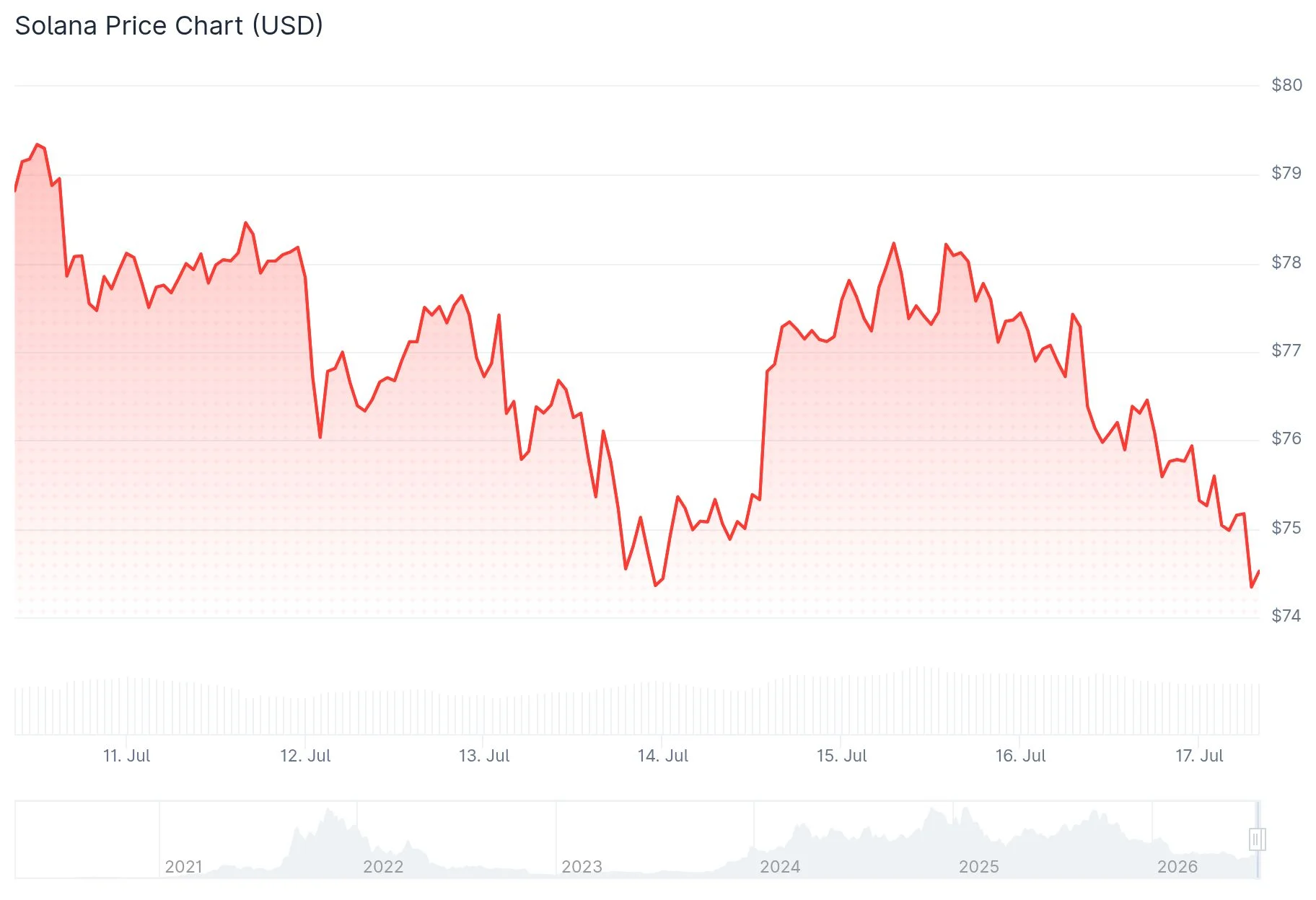
Transaction costs on the network remain exceptionally competitive. Basic transfers typically cost approximately $0.00025. This pricing structure positions Solana as an optimal platform for applications demanding high-frequency, low-cost operations — including decentralized exchanges, blockchain gaming, micropayments, and NFT marketplaces.
The Solana network has witnessed explosive stablecoin adoption. According to data from the Solana Foundation, the blockchain now hosts over $11 billion in stablecoin value with monthly transaction volumes exceeding 200 million.
Professional investment access to Solana has expanded considerably. Financial products from providers including 21Shares, Grayscale, and Bitwise enable American investors to acquire SOL holdings, with several offerings incorporating staking rewards.
This development significantly diminishes Ethereum’s historical edge in attracting institutional capital.
Understanding the Risk Profiles
Solana faces heightened execution uncertainty. The network’s growth has been disproportionately driven by speculative token trading, particularly memecoins. A market downturn could trigger substantial activity decline.
Decentralization concerns persist as well. Operating a Solana validator node demands high-performance computing equipment, creating barriers to entry for independent participants.
Ethereum confronts a different set of challenges. While layer-2 solutions enhance transaction capacity, they simultaneously fragment liquidity and complicate the user journey. Long-term questions remain about whether ETH token holders adequately benefit from this multi-layer architecture.
Investment Analysis and Conclusions
Risk-averse cryptocurrency investors typically favor Ethereum as a portfolio foundation. The network benefits from extensive operational history, comprehensive infrastructure development, and established institutional relationships.
Solana potentially delivers superior returns during growth cycles, though accompanied by amplified price swings.
A balanced approach involves allocating to both assets — capturing Ethereum’s network dominance while participating in Solana’s rapid ecosystem expansion. Regardless of strategy, both cryptocurrencies remain high-risk investments subject to substantial downside potential.
Get 3 Free Stock Ebooks
Discover top-performing stocks in AI, Crypto, and Technology with expert analysis.
- Top 10 AI Stocks - Leading AI companies
- Top 10 Crypto Stocks - Blockchain leaders
- Top 10 Tech Stocks - Tech giants



