


Subtitle:
Key Highlights
Shares of QUALCOMM surge following reports of OpenAI smartphone chip collaboration
Strategic partnership positions QUALCOMM for AI-driven mobile device expansion
Chipmaker benefits from anticipated demand in AI agent-powered smartphones
QCOM stock receives boost as OpenAI’s hardware ambitions take shape
Partnership targets 2028 launch window, creating long-term growth runway for QUALCOMM
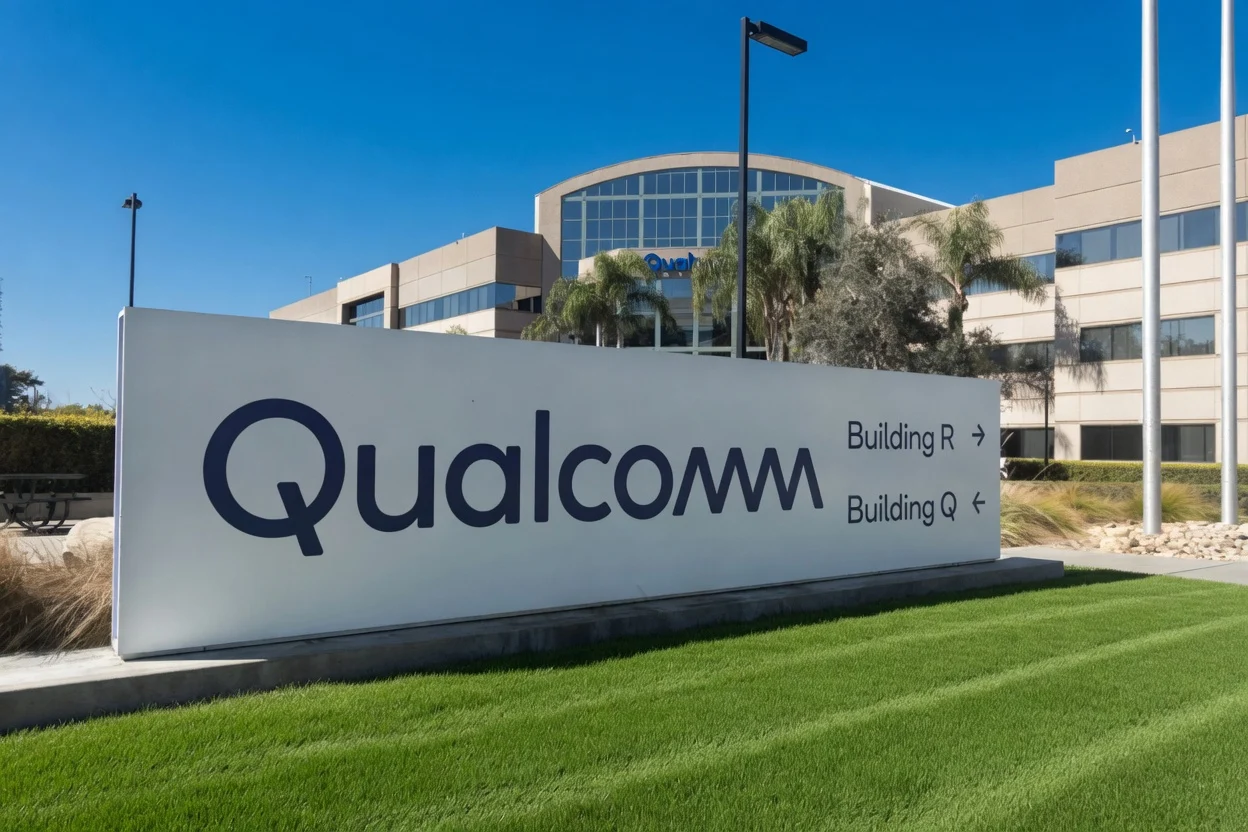
Shares of QUALCOMM (QCOM) experienced significant upward movement following news that the chipmaker has been selected as a key partner for OpenAI’s anticipated AI smartphone initiative. The stock climbed to $148.85, marking an 11.12% increase, before extending gains to $166.45 during pre-market hours. This price action reflects growing investor enthusiasm about Qualcomm’s expanding role in artificial intelligence hardware development.
OpenAI’s Mobile Ambitions Boost Qualcomm’s Market Position
According to recent reports, OpenAI has chosen both Qualcomm and MediaTek to jointly develop processors for its forthcoming AI smartphone device. The initiative also involves Luxshare serving as the sole system design and manufacturing partner. Industry sources suggest mass production could commence around 2028, establishing a multi-year development timeline.
This collaboration positions Qualcomm at the forefront of a potentially transformative smartphone category focused on AI agent capabilities. Furthermore, the target market represents approximately 300 million to 400 million units in annual shipments. Such volume presents substantial revenue opportunities for the semiconductor manufacturer over the coming years.
Qualcomm maintains established leadership in mobile processing and modem technologies. Thus, participation in this AI-centric device initiative could expand its premium segment market share. The development also introduces a significant growth driver as the AI hardware landscape becomes increasingly competitive.

AI-First Architecture Defines Next-Generation Device Concept
The reported smartphone from OpenAI emphasizes an AI agent framework over conventional application-based user experiences. This device would prioritize direct task execution through tightly integrated software and silicon. As such, the phone functions as a comprehensive execution platform for everyday digital activities.
The architecture blends on-device artificial intelligence with cloud-connected processing capabilities. Local models would enable immediate contextual awareness, memory management, and energy-efficient operations. More demanding computational tasks would leverage cloud infrastructure, optimizing battery performance.
This framework positions Qualcomm as a critical enabler in managing performance, efficiency, and AI computation distribution. The company’s processor technology must facilitate compact models operating locally while ensuring seamless cloud connectivity. Consequently, silicon design becomes fundamental to both device functionality and market competitiveness.
Development Timeline Reinforces Long-Term Growth Thesis
Final specifications and vendor selections may be completed between late 2026 and early 2027. This timeline provides Qualcomm sufficient runway to customize chip architectures specifically for OpenAI’s hardware requirements. The extended development period also reflects the complexity involved in launching novel AI-powered consumer products.
Luxshare’s involvement adds manufacturing context to the collaboration. While currently smaller than Hon Hai in Apple device assembly, this partnership could significantly elevate Luxshare’s presence in premium hardware production. Participating from the project’s inception may establish Luxshare as a major player in AI device manufacturing.
For Qualcomm, these developments arrive as artificial intelligence capabilities become increasingly embedded in consumer electronics. The stock’s positive response demonstrates heightened investor confidence in premium device upgrade cycles ahead. Ultimately, QCOM’s upward trajectory now connects mobile semiconductor innovation with emerging AI hardware opportunities.
Get 3 Free Stock Ebooks
Discover top-performing stocks in AI, Crypto, and Technology with expert analysis.
- Top 10 AI Stocks - Leading AI companies
- Top 10 Crypto Stocks - Blockchain leaders
- Top 10 Tech Stocks - Tech giants



