


Key Highlights
- Second-quarter deliveries fell 4% year-over-year to 17,296 units, compared to 18,026 previously
- Shares declined more than 3% in response to quarterly figures
- US Commerce Department rejected Polestar’s Connected Vehicles Rule authorization, barring US sales beginning with 2027 models
- European market now represents 80% of first-half deliveries as strategic focus shifts
- CEO Michael Lohscheller recognized US departure but noted American operations “was not a profitable business for us”
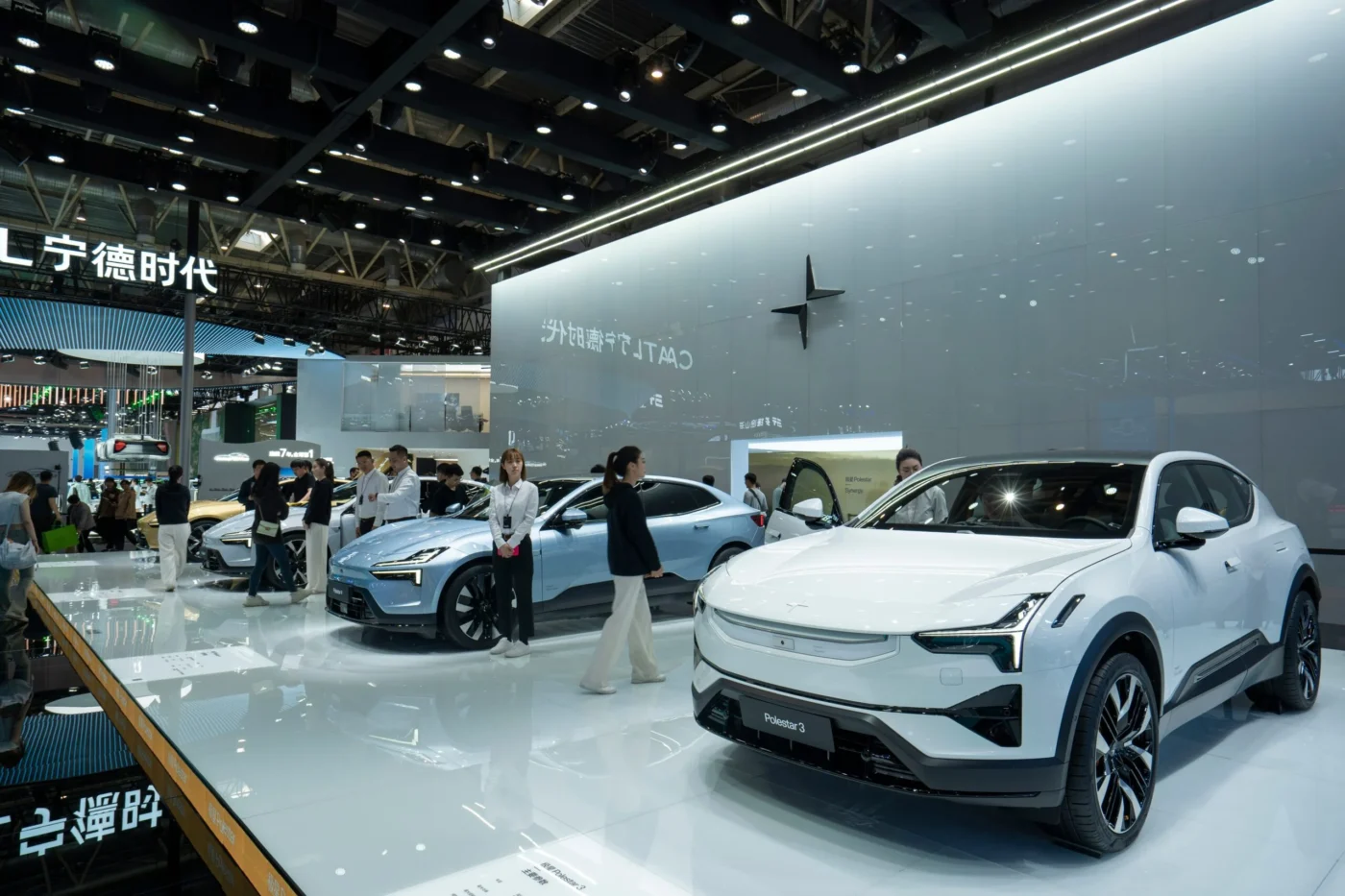
Polestar unveiled a 4% decline in quarterly deliveries on Thursday, triggering a stock retreat exceeding 3% as market participants evaluated results against the backdrop of the manufacturer’s impending American market withdrawal.
Polestar Automotive Holding UK PLC, PSNY
The electric vehicle manufacturer delivered 17,296 units during Q2, representing a decrease from 18,026 vehicles during the corresponding quarter last year.
This delivery reduction arrives several weeks following the US Commerce Department’s rejection of Polestar’s application for Connected Vehicles Rule authorization. This regulation limits vehicles equipped with connected technology linked to China, and the determination effectively prohibits Polestar from American sales beginning with 2027 model year vehicles.
Geely Holding of China maintains majority ownership of Polestar. Volvo Cars, another Geely-majority-owned brand, obtained authorization one month prior — a divergence that attracted considerable notice.

CEO Michael Lohscheller expressed disappointment regarding the US departure. However, he emphasized that American operations “was not a profitable business for us,” and demanded resource commitments the organization couldn’t rationalize considering the regulatory determination.
Polestar plans to continue distributing existing Polestar 3 and Polestar 4 inventory throughout the United States. The company will preserve its service infrastructure and maintain used vehicle sales. The prohibition creates uncertainty surrounding the Polestar 3’s trajectory, given it represents the brand’s sole US-manufactured offering.
European Market Becomes Primary Focus
With American operations concluding, Polestar has concentrated substantially on Europe. The territory generated 80% of corporate deliveries during 2026’s first half. This geographical reorientation has evolved into a fundamental component of the company’s strategy for navigating challenging global EV demand conditions.
Instead of introducing completely new offerings, Polestar has elected to update current models. During February, the manufacturer revealed refreshed iterations of its top-performing Polestar 2 and Polestar 4, scheduled for deployment throughout the coming year.
During May, Polestar disclosed an expanded first-quarter deficit, as competitive pricing dynamics and American tariffs compressed margins despite relatively stronger delivery volumes.
Future Product Pipeline
Polestar continues advancing its product roadmap. CEO Lohscheller verified that initial customer deliveries of the Polestar 5 remain scheduled as planned, and that Polestar 4 SUV manufacturing has commenced, with first customer handovers anticipated during Q4.
Thursday proved challenging for electric vehicle manufacturers broadly. Porsche, which rivals Polestar through its Macan and Taycan offerings, similarly announced first-half delivery reductions. Porsche attributed declines to Chinese market challenges and expired American EV tax incentives.
For Polestar, the convergence of US prohibition, quarterly sales contraction, and persistent financial losses maintains pressure on leadership to demonstrate the European strategy can sustain operations.
Lohscheller stated the organization will respond to the “clear decision” from American regulators and advance accordingly.
Get 3 Free Stock Ebooks
Discover top-performing stocks in AI, Crypto, and Technology with expert analysis.
- Top 10 AI Stocks - Leading AI companies
- Top 10 Crypto Stocks - Blockchain leaders
- Top 10 Tech Stocks - Tech giants



