


TLDR
- Texas Attorney General’s office disclosed Friday that a 2025 cybersecurity incident at Oracle’s healthcare division compromised information belonging to nearly 20 million individuals.
- Stolen data potentially includes Social Security numbers, residential addresses, medical diagnoses, prescription information and laboratory results.
- Rockland Trust reduced its Oracle holdings by 40% in recent months, though several institutional investors increased their positions.
- Shares opened Tuesday at $142.47, climbing 0.1%, representing a 56% decline from the 52-week peak of $322.54.
- Despite strong Q1 results, the company confronts insider share sales and skepticism from Michael Burry regarding its artificial intelligence contract backlog.
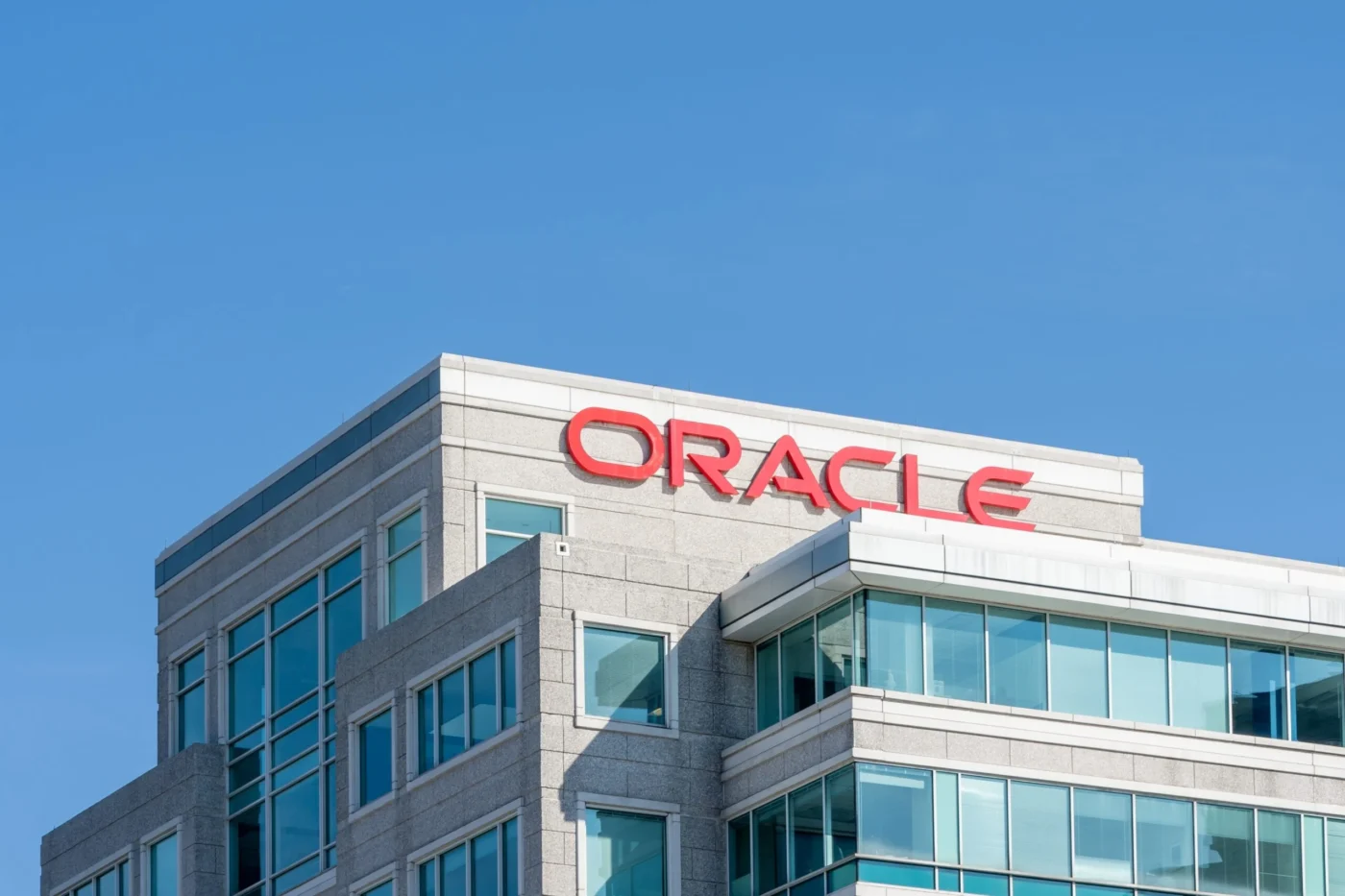
A significant cybersecurity breach affecting Oracle’s healthcare operations last year resulted in unauthorized access to personal information for approximately 20 million individuals, according to a Friday disclosure from Texas state officials.
Oracle shares began trading Tuesday at $142.47, registering a modest 0.1% gain. The current price sits dramatically below the $322.54 peak reached earlier in the year.
The security incident originated from legacy infrastructure belonging to Cerner Corp, the electronic health records provider that Oracle acquired for $28 billion in 2022. The company stated that affected information remained on older servers and had not been migrated to cloud-based storage systems when the intrusion occurred.
The Texas disclosure indicates that stolen information included Social Security numbers, physical addresses and sensitive healthcare data. Roughly 3 million Texas residents were among those impacted.

The technology giant initially notified clients about the security compromise in March 2025. Company statements at that time indicated the unauthorized access took place after January 22, 2025.
Healthcare providers Christus Health and Tri-City Medical Center, both Oracle customers, publicly acknowledged being affected by the incident. These organizations reported that compromised information potentially encompassed physician identities, patient diagnoses, medication prescriptions and laboratory findings.
Oracle representatives declined to provide additional commentary Monday regarding the updated disclosure. Texas Attorney General officials similarly did not respond to inquiries.
Oracle’s Healthcare Client Base
Oracle’s healthcare portfolio extends beyond civilian hospitals. Both the Department of Defense and Department of Veterans Affairs rely on Oracle health information systems.
A Veterans Affairs representative stated during the initial March 2025 announcement that VA systems were not compromised. The full scope of potential exposure across other federal agencies remains unclear.
Federal investigators from the FBI examined the security breach alongside allegations that threat actors attempted to extract ransom payments from healthcare organizations. Bloomberg initially documented these extortion efforts in March 2025.
Institutional Trading Activity and Stock Performance
Beyond the security incident, institutional investor activity around Oracle has shown divergent patterns. Rockland Trust Co. divested 6,347 shares during the previous quarter, reducing its position by 40% to 9,480 shares valued at approximately $1.3 million.
Conversely, several institutions expanded their stakes substantially. Cardano Risk Management increased its holdings by 882%, while Auto Owners Insurance expanded its position by more than 19,000%.
The company’s financial performance remains robust according to recent metrics. Oracle reported first-quarter earnings of $1.92 per share, surpassing analyst expectations of $1.74, while revenue climbed nearly 30% year-over-year to reach $19.34 billion.
The company plans to distribute a quarterly dividend of $0.50 per share on October 23rd, yielding 1.4% annually. Wall Street analysts maintain a “Moderate Buy” rating with a consensus price target of $251.72.
However, skepticism persists in some quarters. Notable investor Michael Burry raised questions about whether Oracle’s substantial artificial intelligence backlog might obscure underlying financial challenges, highlighting negative free cash flow and increasing debt levels.
Recent insider transactions have skewed toward selling. Company insiders disposed of 36,075 shares valued at $5.3 million over the past 90 days, though one director acquired 25,000 shares in late September.
Oracle is also navigating a force majeure declaration related to Project Jupiter, its New Mexico artificial intelligence data center initiative, citing electrical infrastructure and construction setbacks.
Get 3 Free Stock Ebooks
Discover top-performing stocks in AI, Crypto, and Technology with expert analysis.
- Top 10 AI Stocks - Leading AI companies
- Top 10 Crypto Stocks - Blockchain leaders
- Top 10 Tech Stocks - Tech giants



