


Key Takeaways
- A fresh $55 million investment in Macy’s by Berkshire Hathaway was revealed in regulatory filings, representing approximately 3 to 4 million shares held as of the end of March.
- The department store retailer’s shares surged approximately 5-6% in extended trading after the disclosure became public through Berkshire’s 13F report.
- Under newly appointed CEO Greg Abel, Berkshire significantly increased its Delta Air Lines holdings by nearly 40 million shares while divesting from Amazon, Visa, Mastercard, and UnitedHealth.
- The legacy retailer continues executing a transformation plan focused on shuttering underperforming locations while enhancing investments in profitable stores, Bloomingdale’s, and Bluemercury.
- Management projects declining revenue for fiscal 2026 and has identified tariff pressures as a significant challenge, with the most severe effects anticipated during the first quarter.
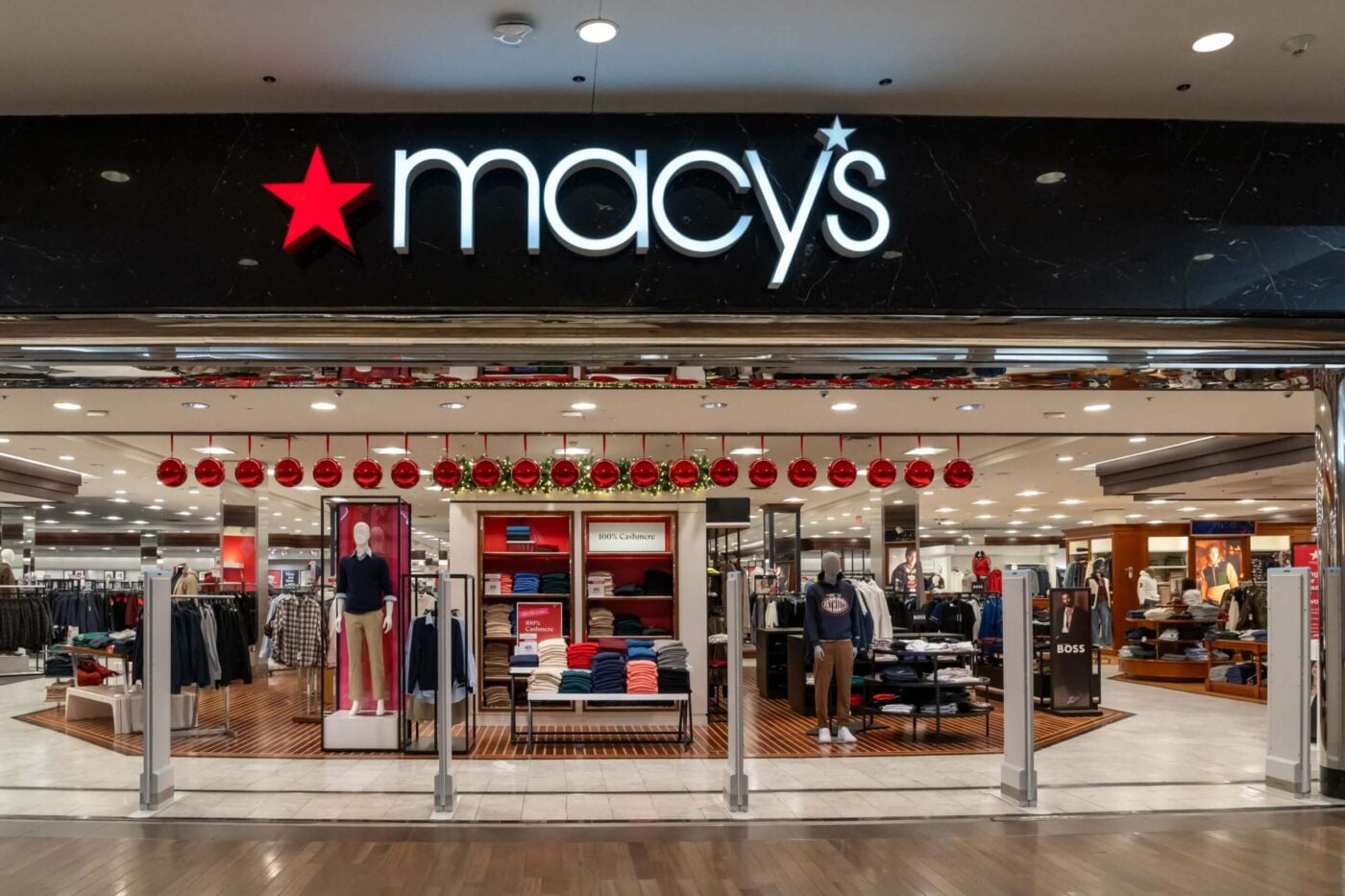
The investment conglomerate Berkshire Hathaway unveiled a fresh position in the iconic department store chain Macy’s valued at approximately $55 million in its quarterly 13F regulatory disclosure for the period ending March 31. The revelation triggered a 5.9% surge in Macy’s shares during Friday’s after-hours session.
According to the filing, Berkshire accumulated between 3 and 4 million shares of the retailer. While the investment represents a modest allocation within Berkshire’s extensive portfolio, any activity associated with the company previously led by Warren Buffett typically captures significant market attention.
This marks Berkshire’s initial significant investment in Macy’s during Greg Abel’s tenure, who assumed the chief executive role in January following Buffett’s transition from the position.
Berkshire’s Broader Portfolio Adjustments
Berkshire simultaneously expanded its Delta Air Lines stake by approximately 40 million shares, propelling the airline’s stock up roughly 3% in after-hours trading. The conglomerate also augmented its Alphabet holdings while preserving its flagship positions in Apple, American Express, Coca-Cola, and Moody’s.

Conversely, Berkshire completely liquidated positions in Amazon, Visa, Mastercard, UnitedHealth, Aon, and Domino’s Pizza. UnitedHealth shares declined 2.4% in extended trading following the revelation. These divested holdings may have been overseen by Todd Combs, who departed Berkshire for JPMorgan Chase in April.
A critical caveat: 13F disclosures reflect historical data. Since these figures represent holdings as of March 31, Berkshire’s present portfolio composition may have evolved.
Macy’s Transformation Strategy Continues
Macy’s remains entrenched in a comprehensive restructuring initiative. The retailer is systematically eliminating weak-performing stores while channeling resources toward high-traffic destinations. Chief Executive Tony Spring has emphasized incorporating contemporary brands and strengthening workforce investment.
Bloomingdale’s delivered exceptional holiday quarter performance, achieving comparable sales growth of 9.9%. Bluemercury similarly reported encouraging metrics. Macy’s consolidated fourth-quarter revenue reached $7.6 billion, accompanied by comparable sales expansion of 1.8%.
However, challenges loom ahead. The company projects fiscal 2026 revenue between $21.4 billion and $21.65 billion, representing a decline from the anticipated $21.8 billion in fiscal 2025. Adjusted earnings per share guidance ranges from $1.90 to $2.10.
Tariff headwinds present substantial concerns. Macy’s procures the majority of its apparel, home furnishings, and accessories internationally. Management has cautioned that tariff-related pressures will be most pronounced during the year’s first half, especially in the opening quarter.
The retailer maintained its quarterly dividend at 19.15 cents per share, scheduled for July 1 distribution to shareholders registered as of June 15.
Competitor Kohl’s indicated in March that annual sales could remain flat or decrease by up to 2%, with CEO Michael Bender attributing the outlook to conservative spending patterns among middle- and lower-income consumers. Macy’s confronts comparable headwinds at its flagship banner, though Bloomingdale’s continues successfully engaging affluent clientele.
Macy’s concluded the trading week positively, with the Berkshire disclosure propelling after-hours momentum. The critical evaluation arrives with upcoming earnings releases, where stakeholders seek confirmation that store enhancements and the strategic emphasis on Bloomingdale’s and Bluemercury are translating into tangible revenue growth.
Get 3 Free Stock Ebooks
Discover top-performing stocks in AI, Crypto, and Technology with expert analysis.
- Top 10 AI Stocks - Leading AI companies
- Top 10 Crypto Stocks - Blockchain leaders
- Top 10 Tech Stocks - Tech giants



