


Key Highlights
Second-quarter 2026 revenue climbed 14.5% year-over-year for JetBlue.
The JetForward transformation yielded $470 million in additional EBIT gains.
Enhanced premium offerings and loyalty initiatives strengthened revenue streams.
Management unveiled a 2028 earnings per share target of $1.00 minimum.
Annual projections indicate sustained revenue expansion and margin enhancement.
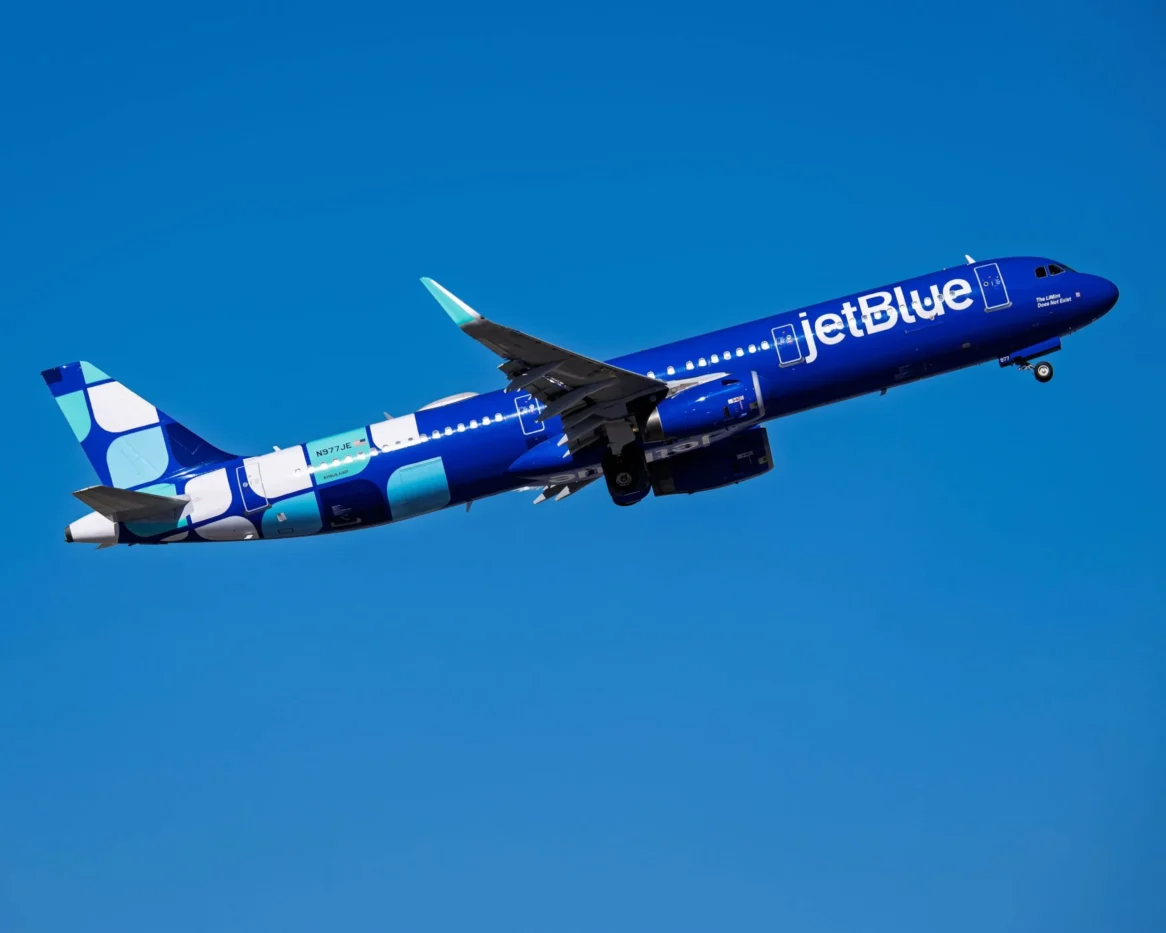
JetBlue Airways Corporation (JBLU) delivered robust second-quarter 2026 performance with year-over-year revenue climbing 14.5%. The carrier progressed with its comprehensive JetForward restructuring program while establishing a forward-looking earnings benchmark for 2028. Shares of JetBlue settled at $5.43, posting a 3.04% gain, and held steady during pre-market hours.
JetBlue Airways Corporation, JBLU
Transformation Initiative Delivers Significant Financial Gains
JetBlue recorded $2.7 billion in operating revenue during the second quarter. Revenue per available seat mile surged 10.9% compared to the same period last year. The quarterly gains reflected robust demand for premium cabin products, enhanced loyalty offerings, and popular leisure destinations.
According to company statements, the JetForward program contributed $470 million in incremental EBIT through June 2026. Leadership reaffirmed its commitment to achieving between $850 million and $950 million in annual incremental EBIT by year-end 2027. Additionally, the airline forecasts approximately $1.2 billion in annual incremental EBIT during 2028.
The carrier unveiled a strategic financial goal of achieving at least $1.00 earnings per share in 2028. This projection incorporates assumptions of sustained passenger demand and average fuel costs at $3.00 per gallon. Executives attributed the forecast to ongoing JetForward execution and operational enhancements.
Strong Demand Across Service Categories Boosts Q2 Results
JetBlue increased system capacity by 3.2% versus the comparable quarter. Premium cabin revenue per available seat mile rose approximately 13%. The main cabin segment also experienced an 11% increase in revenue per available seat mile, demonstrating widespread demand throughout the route network.

Loyalty program revenue advanced 13% from the prior-year period. Growth drivers included elevated co-branded credit card usage, increased premium card enrollment, and higher loyalty-based compensation. The airline additionally introduced ClarityPay, offering passengers more versatile payment options.
Operational metrics showed continued progress during the quarter. The carrier achieved better on-time arrival rates, elevated customer satisfaction metrics, and enhanced network connectivity through revised scheduling. JetBlue also broadened reciprocal loyalty benefits via the Blue Sky program while preparing to launch BlueFirst domestic first-class bookings later this year.
Cost Management and Future Outlook
JetBlue offset approximately half of its elevated fuel expenses during the second quarter. Fuel prices averaged $4.23 per gallon, representing roughly a 76% year-over-year increase. Despite this headwind, the company restricted CASM excluding fuel growth to just 2.4%, exceeding internal projections.
Technology investments and efficiency initiatives progressed throughout the quarter. Digital platforms improved employee productivity, while sophisticated flight planning systems boosted fuel conservation. The airline deployed artificial intelligence and analytics to enhance planning processes, disruption response, and network-wide operational decisions.
Third-quarter expectations call for available seat mile growth ranging from 3.0% to 6.0%. Revenue per available seat mile is projected to expand between 12.5% and 16.5%. Full-year guidance encompasses revenue per available seat mile growth of 10.0% to 12.5%, average fuel pricing at $3.49 per gallon, capital investments near $850 million, and second-half operating margin improvement of approximately 3.5 percentage points year-over-year.
The carrier also negotiated credits from Pratt & Whitney applicable to future products and services related to geared turbofan resolutions through calendar year 2025. This arrangement supports ongoing fleet management while lowering future expenses associated with engine challenges. Management emphasized that sustained commercial performance and transformation efforts remain fundamental to achieving long-term profitability objectives.
Get 3 Free Stock Ebooks
Discover top-performing stocks in AI, Crypto, and Technology with expert analysis.
- Top 10 AI Stocks - Leading AI companies
- Top 10 Crypto Stocks - Blockchain leaders
- Top 10 Tech Stocks - Tech giants



