


Key Takeaways
- Intesa Sanpaolo expanded its digital asset portfolio by over 135%, climbing from approximately $100M to $235M during Q1 2026
- Ethereum entered the portfolio through BlackRock’s iShares Staked Ethereum Trust, marking the bank’s first exposure to ETH
- The Italian banking giant established an XRP position worth approximately $26 million via Grayscale XRP Trust
- A dramatic reduction in Solana exposure occurred, with holdings plummeting from 266,320 shares to merely 2,817
- Equity positions expanded with new BitGo shares and an increased Coinbase holding
Italy’s premier banking institution, Intesa Sanpaolo, significantly expanded its cryptocurrency portfolio throughout the opening quarter of 2026. The institution’s digital asset holdings surged from approximately $100 million at year-end 2025 to roughly $235 million by the conclusion of March, based on information compiled by Italian cryptocurrency publication Criptovaluta.it.
This substantial increase stemmed primarily from enhanced Bitcoin ETF allocations. The financial institution augmented both its ARK 21Shares Bitcoin ETF position and its BlackRock iShares Bitcoin Trust holdings. Additionally, the bank initiated its inaugural derivatives strategy in the sector by acquiring call options linked to the iShares Bitcoin Trust.
Strategic Additions: Ethereum and XRP Join Holdings
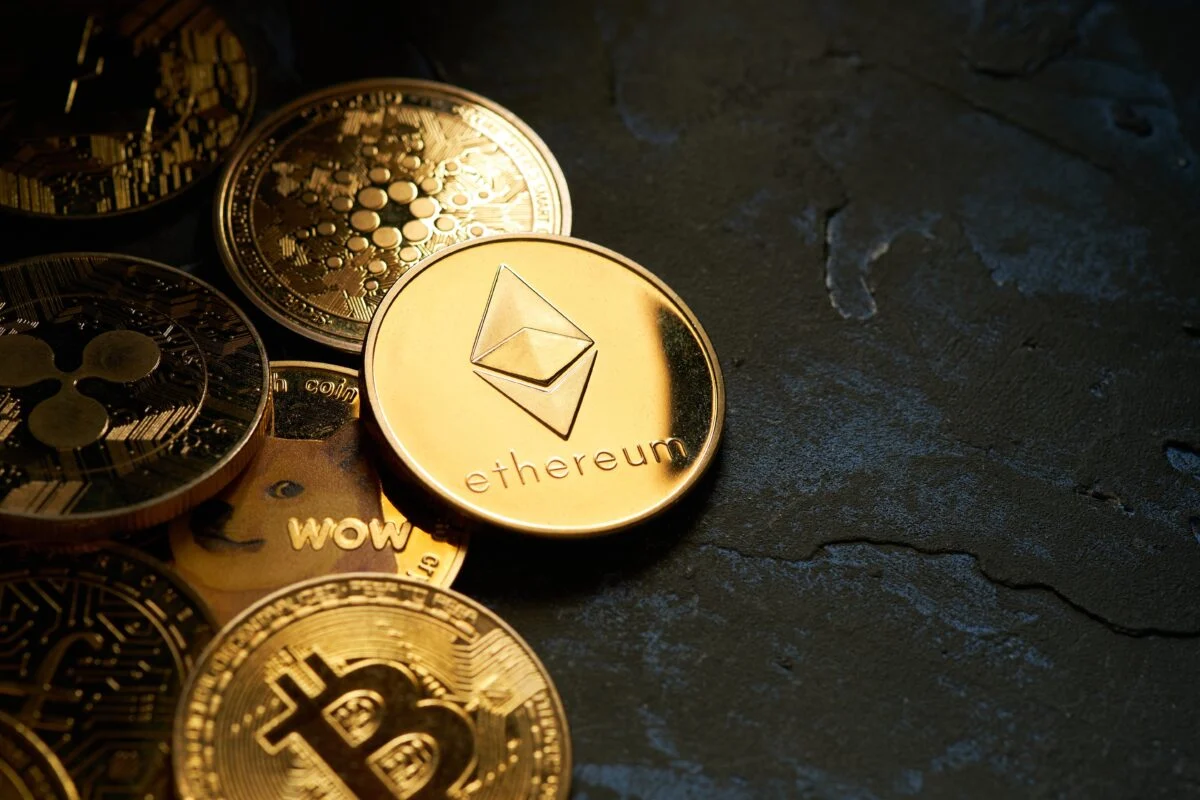
Intesa established its first Ethereum position by investing in BlackRock’s iShares Staked Ethereum Trust. This strategic move broadened the bank’s cryptocurrency portfolio beyond Bitcoin-focused investment vehicles for the first time in its history.
The institution simultaneously acquired XRP exposure by purchasing shares in the Grayscale XRP Trust. This holding carried an approximate valuation of $26 million. Intesa has not publicly disclosed whether these cryptocurrency positions serve exclusively for proprietary trading operations or if they also underpin financial products made available to institutional clients.
The inclusion of both Ethereum and XRP demonstrates a deliberate shift toward portfolio diversification, while maintaining focus on regulated, exchange-listed investment products.
Dramatic Solana Position Reduction
Conversely, Intesa executed a substantial reduction of its Solana holdings. The bank’s investment in the Bitwise Solana Staking ETF declined precipitously from 266,320 shares to a mere 2,817 shares — representing an almost complete divestment within just three months.

This strategic withdrawal stands in stark contrast to the bank’s simultaneous expansion into Ethereum and XRP positions. The divergent approach indicates calculated portfolio decisions regarding specific digital assets, rather than a wholesale retreat from cryptocurrency investments.
Regarding equity holdings in the crypto sector, Intesa acquired 165,600 shares of BitGo, establishing this position for the first time. The bank also significantly increased its Coinbase stake, expanding from 1,500 shares to 10,357. Simultaneously, it divested completely from its Bitmine holdings and liquidated put options on Strategy.
The institution also reduced its investment in Cantor Equity Partners II, the special purpose vehicle through which blockchain tokenization company Securitize plans to pursue a public listing.
Intesa’s engagement with digital assets extends well beyond investment positions. Ripple announced just last month that it would provide custody solutions for the Italian banking institution. Previously, in January 2025, CEO Carlo Messina characterized the bank’s initial Bitcoin acquisition of 11 BTC as “a test,” explicitly stating the institution would not transform into “a bitcoin player.”
Intesa’s stock finished Friday’s trading session at 5.74 euros, declining 1.56% for the day and down 3.14% since the beginning of the year.
Numerous European financial institutions are similarly advancing into cryptocurrency services. Spain’s BBVA, France’s BPCE, and Belgium’s KBC have each introduced retail cryptocurrency trading platforms. A consortium of 12 major European banks, featuring BNP Paribas, ING, and Deutsche Bank, is collaboratively developing a MiCA-compliant euro-denominated stablecoin branded as Qivalis, with a planned rollout scheduled for the latter half of 2026.
Get 3 Free Stock Ebooks
Discover top-performing stocks in AI, Crypto, and Technology with expert analysis.
- Top 10 AI Stocks - Leading AI companies
- Top 10 Crypto Stocks - Blockchain leaders
- Top 10 Tech Stocks - Tech giants



