


TLDR
- Hormuz Safe offers marine insurance for ships crossing the Persian Gulf and Strait of Hormuz.
- The platform accepts Bitcoin and other cryptocurrencies instead of relying on SWIFT-linked payment channels abroad.
- Iran’s Economy Ministry backs the project, which targets shipowners seeking non-Western insurance settlement routes regionally.
- Port recognition remains uncertain because many regulators may reject Iranian-issued insurance documents at arrival ports overseas.
- Users may face US secondary sanctions risks when dealing with the state-backed Iranian service directly.
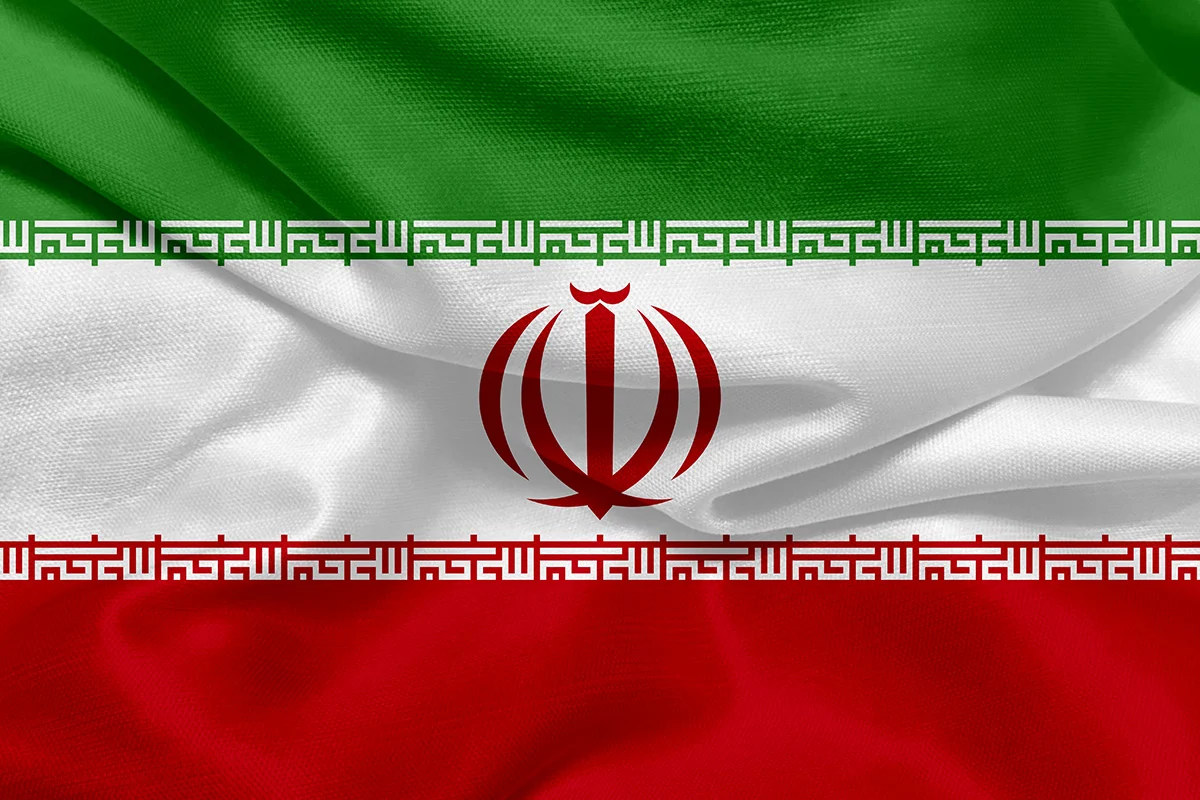
Iran has launched Hormuz Safe, a state-backed maritime insurance platform for ships crossing Persian Gulf waters. The service supports Bitcoin and other cryptocurrency settlements for marine insurance policies. It focuses on vessels using the Strait of Hormuz, one of the world’s busiest oil routes.
Hormuz Safe Targets Ships Crossing the Strait of Hormuz
Hormuz Safe offers insurance cover for tankers and cargo ships moving through the Persian Gulf. The route includes the Strait of Hormuz, which connects Gulf oil producers with global markets. A large share of daily oil trade passes through this narrow waterway.
Marine insurance remains a core need for ships using this route. Vessel owners need cover for cargo, hull damage, delays, and other risks. Hormuz Safe aims to provide that cover through a digital system.
The platform is backed by Iran’s Ministry of Economic Affairs, according to the report. It allows users to settle policy payments with Bitcoin and other digital assets. This structure avoids normal dollar-based payment channels and SWIFT-linked systems.
Bitcoin Settlements Aim to Reduce Western Payment Reliance
Iran has faced years of limits on access to Western finance. These limits have made global banking and insurance harder for many Iranian-linked businesses. Hormuz Safe appears designed to create another route for maritime insurance payments.
The platform uses blockchain-based settlement for policy payments and receipts. It also gives users digitally signed records for insurance documents. Supporters say this can speed up payments and reduce reliance on foreign intermediaries.

Iranian government insiders reportedly estimate the service “could generate over $10 billion” in revenue. The estimate depends on market share and user adoption. The figure remains a “reported estimate” and has not been independently verified.
Recognition and Sanctions Risks Remain Key Barriers
Hormuz Safe may face problems outside Iran and nearby markets. Ports in Europe or Asia may not accept insurance documents from an Iranian-backed platform. A ship could still face delays, checks, or rejection by local regulators.
The United States has long used sanctions against Iran-linked financial activity. Shipowners, traders, and service providers may face secondary sanctions risk. This risk could limit interest from firms with ties to US markets.
The early customer base may be narrow because of these concerns. It may include Iranian-flagged ships and operators already active in sanctioned trade. It may also attract firms with limited exposure to Western banks.
Get 3 Free Stock Ebooks
Discover top-performing stocks in AI, Crypto, and Technology with expert analysis.
- Top 10 AI Stocks - Leading AI companies
- Top 10 Crypto Stocks - Blockchain leaders
- Top 10 Tech Stocks - Tech giants



