


TLDR
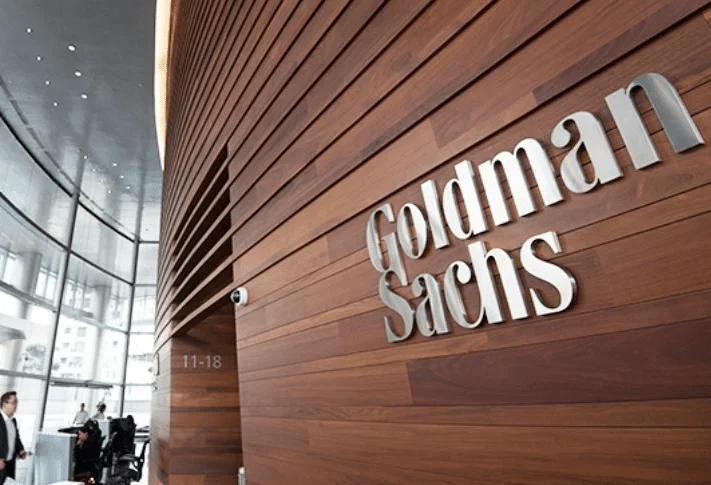
- Goldman Sachs disclosed $153.8 million in U.S. spot XRP ETFs in its Q4 2025 13F filing.
- U.S. spot XRP ETFs passed $1 billion in cumulative inflows by December 16, 2025.
- Seven U.S. spot XRP ETFs held about $1.53 billion in assets and 773 million XRP.
- CME XRP futures reached $1 billion in open interest faster than earlier crypto futures launches.
- XRP traded between $1.27 and $1.55 as the supertrend turned bullish for the first time since January.
For XRP ETFs, a new institutional phase began in late 2025. Within weeks, several U.S. spot funds launched and drew fast institutional inflows. That change brought XRP into regulated portfolios once dominated by Bitcoin and Ethereum products.
Early buyers included some of Wall Street’s largest banks, asset managers, and hedge funds. Their filings and fund flows now show XRP has entered the institutional allocation debate. The shift also tied ETF demand to growing ledger activity and new XRP price focus.
Regulatory clarity opened the launch window
By mid-2025, the legal cloud around XRP had cleared for U.S. institutions. The SEC also adopted generic listing standards for commodity-based crypto ETPs. Those rules shortened review timelines and gave issuers a clearer path to market.
XRP still needed futures seasoning before spot ETF eligibility. Bitnomial launched regulated XRP futures in March 2025, and CME followed in May 2025. CF Benchmarks also provided pricing rates used across the futures market and the new ETF products. The CME contract then became the fastest crypto futures launch to reach $1 billion in open interest.
That preparation led to a tight launch schedule in late 2025. Canary Capital’s XRPC began trading on Nasdaq on November 13, and Bitwise followed on November 20. Grayscale’s GXRP launched on November 24, while Franklin Templeton, 21Shares, and REX-Osprey also entered the market.
Fund flows and filings brought Wall Street in
The early flow data gave the market a clear signal. U.S. spot XRP ETFs recorded no net outflow day during their first month. By December 16, 2025, cumulative inflows had passed $1 billion.

By early March 2026, cumulative inflows topped $1.5 billion. At that point, seven U.S. spot XRP ETFs held about $1.53 billion in assets. Combined custody holdings stood near 773 million XRP.
A March 2026 13F filing showed Goldman Sachs held $153.8 million in spot XRP ETFs. The bank spread that exposure across Bitwise, Franklin Templeton, Grayscale, and 21Shares funds. Goldman held about 73% of the exposure reported by the top 30 institutional holders.
Filings also showed positions from firms such as Millennium and Citadel. Grayscale’s Krista Lynch said, “GXRP is designed to offer efficient tracking and straightforward exposure to XRP for investors.” Bitwise CIO Matt Hougan said demand came from investors seeking “unique assets with unique return profiles.”
Ledger growth and XRP price kept attention on utility
ETF growth arrived as the XRP Ledger handled more real activity. The network has processed more than 4 billion transactions since launch. Tokenized assets on XRPL rose above $474 million, while represented value neared $1.5 billion.
Daily XRPL transactions reached 3 million on March 15, 2026. Activity increased across AMM pools, tokenized assets, and RLUSD settlement flows. RLUSD also rose above $1.5 billion in market value, adding another regulated payments layer. That rise added another link between ETF demand and payments use.
The product market is also expanding outside direct spot funds. ARK’s CoinDesk 20 ETF holds nearly 20% in XRP, making it its third-largest position. Canada, Hong Kong, and European venues are also listing regulated XRP products.
XRP price also remained a key part of the market picture. XRP traded between $1.27 and $1.55, even as the supertrend turned bullish for the first time since January. A close above $1.55 could open $1.70 and $1.80, while rejection could send XRP toward $1.30. Until price breaks higher, the market still treats $1.55 as the main ceiling.
Get 3 Free Stock Ebooks
Discover top-performing stocks in AI, Crypto, and Technology with expert analysis.
- Top 10 AI Stocks - Leading AI companies
- Top 10 Crypto Stocks - Blockchain leaders
- Top 10 Tech Stocks - Tech giants



