


TLDR
- IATA slashed its 2026 worldwide airline profit projection from $41bn down to $23bn
- Average jet fuel prices anticipated to hit $152 per barrel, representing a nearly 70% surge compared to 2025
- European carrier profits projected to decline 26%, dropping from $13bn to $9.6bn
- Middle Eastern airlines anticipated to record a $4.3bn loss, reversing from a $7.2bn profit
- Industry-wide fuel expenditure expected to climb 40% to $350bn, accounting for 31.4% of operational costs
The International Air Transport Association has made a dramatic revision to its global airline profitability outlook for 2026, slashing expectations by nearly half. The aviation industry body now anticipates combined net earnings of $23 billion for the current year, representing a steep decline from $45 billion recorded in 2025 and significantly below its earlier $41 billion estimate.
Fuel expenses represent the primary catalyst for this deterioration. Industry analysts expect jet fuel to average $152 per barrel throughout 2026. This marks a substantial increase of nearly 70% compared to the $90 per barrel average seen in 2025. The escalation stems from supply chain disruptions triggered by continuing tensions in the Middle East region.
Aggregate fuel expenditure across the aviation sector is projected to surge 40%, climbing from $252 billion in 2025 to $350 billion in the current year. This increase will elevate fuel’s portion of overall operating expenses from 25.4% to 31.4%.
IATA Director General Willie Walsh delivered a stark assessment. “Profits will shrink from $45 billion in 2025 to $23 billion this year. And margins will shrink from 4.2% to 2.0%. It won’t even buy you a hot dog at most of the FIFA World Cup venues.”
Per-passenger net profit is anticipated to tumble from $9.10 in 2025 to merely $4.50 in the current year. While total industry revenue continues its upward trajectory, expanding 9.4% to $1.165 trillion, expense growth is outpacing it. Aggregate operating costs are projected to reach $1.117 trillion.
European Airlines Hit Hard
European aviation companies face particularly severe challenges. IATA projects their aggregate net profit will contract from $13 billion in 2025 to $9.6 billion in 2026, representing approximately a 26% decline. Per-passenger profit decreases from $10.30 to $7.50.
European carriers had hedged roughly 70% of their fuel requirements before the current crisis emerged. This strategy has provided some protection from the worst impacts. However, IATA cautions that escalating costs will increasingly affect bottom lines as existing hedges reach expiration.

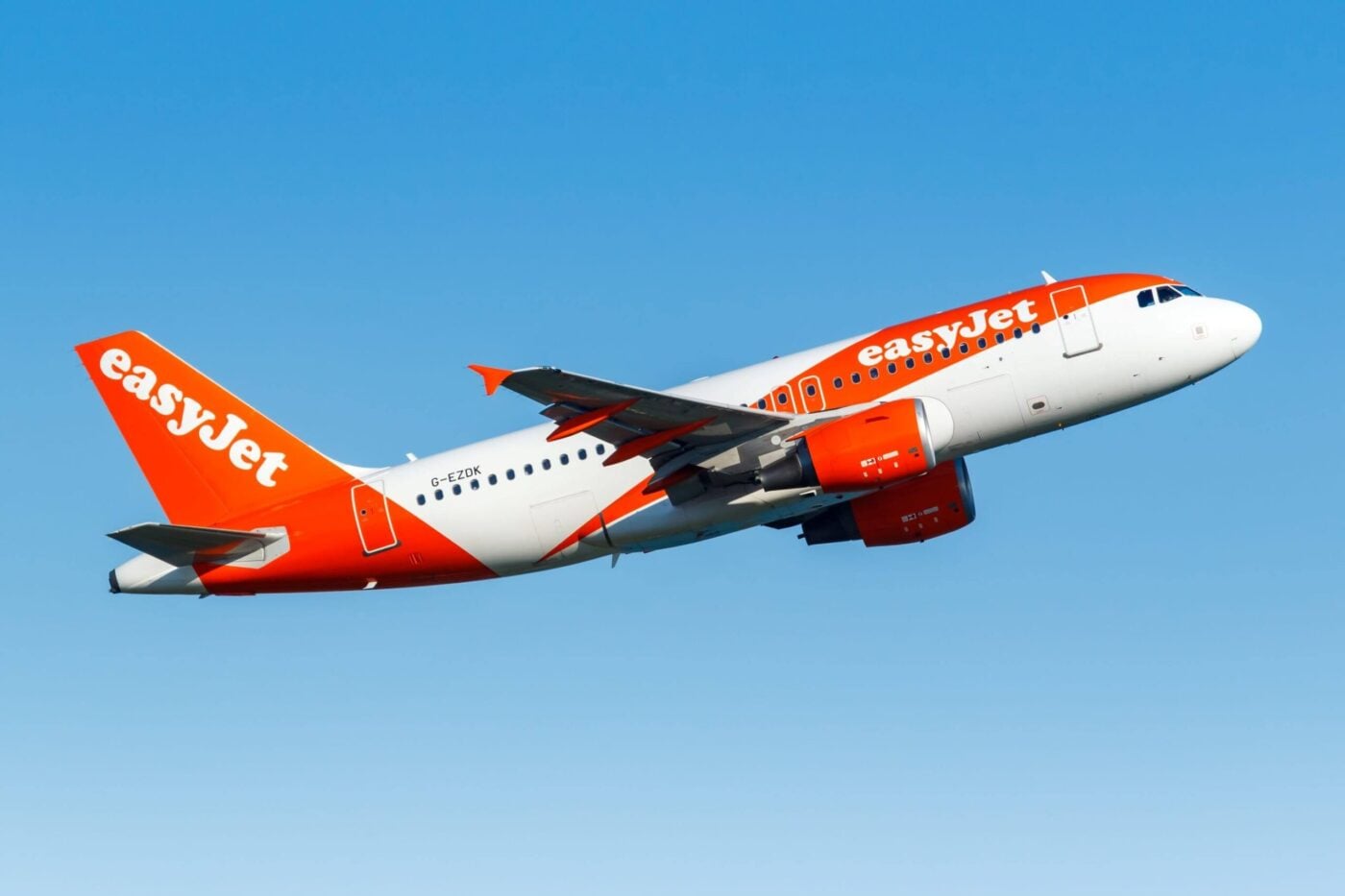
Major European airline stocks experienced declines on Monday. IAG, Air France-KLM, Lufthansa, and Wizz Air all registered drops ranging from 1.47% to 2.1%. EasyJet experienced a more modest decline of 0.86%, distinguishing it from its peers.
IATA additionally highlighted that certain European regions continue managing airspace limitations related to Russia. A softer economic environment and reduced consumer spending are expected to compound these difficulties.
Regional Damage Varies
The Middle East region has experienced the most dramatic deterioration. Regional carriers are projected to report a net loss of $4.3 billion in 2026, a stark reversal from the $7.2 billion profit achieved in 2025. Passenger volume in the region is anticipated to contract 11.4%.
North American aviation companies are forecast to generate $9.4 billion, declining from $12.4 billion. The Asia Pacific region is expected to fall from $9.8 billion to $6.6 billion.
Return on invested capital is projected to decline to 4.3%, falling short of the estimated 8.5% weighted average cost of capital. Walsh indicated that smaller operators with fragile financial positions are “certainly struggling.”
Despite mounting financial pressures, aggregate passenger numbers remain on track to hit 5.1 billion in 2026, with load factors reaching a record 84%.
Get 3 Free Stock Ebooks
Discover top-performing stocks in AI, Crypto, and Technology with expert analysis.
- Top 10 AI Stocks - Leading AI companies
- Top 10 Crypto Stocks - Blockchain leaders
- Top 10 Tech Stocks - Tech giants



