


Key Highlights
- Brussels has implemented its most comprehensive sanctions against Russia since 2023, featuring a complete prohibition on crypto service providers operating from Russia
- The digital ruble (Russia’s CBDC), RUBx stablecoin, and A7A5 stablecoin network face total restrictions for European Union citizens
- Sanctions encompass 20 Russian banking institutions and four international financial entities connected to Russia’s SPFS payment messaging infrastructure
- European citizens face complete restrictions on accessing cryptocurrency and decentralized finance platforms originating from Russia or Belarus
- The Kyrgyzstan-based exchange TengriCoin received sanctions as part of comprehensive action against the Garantex–Grinex–A7A5 network
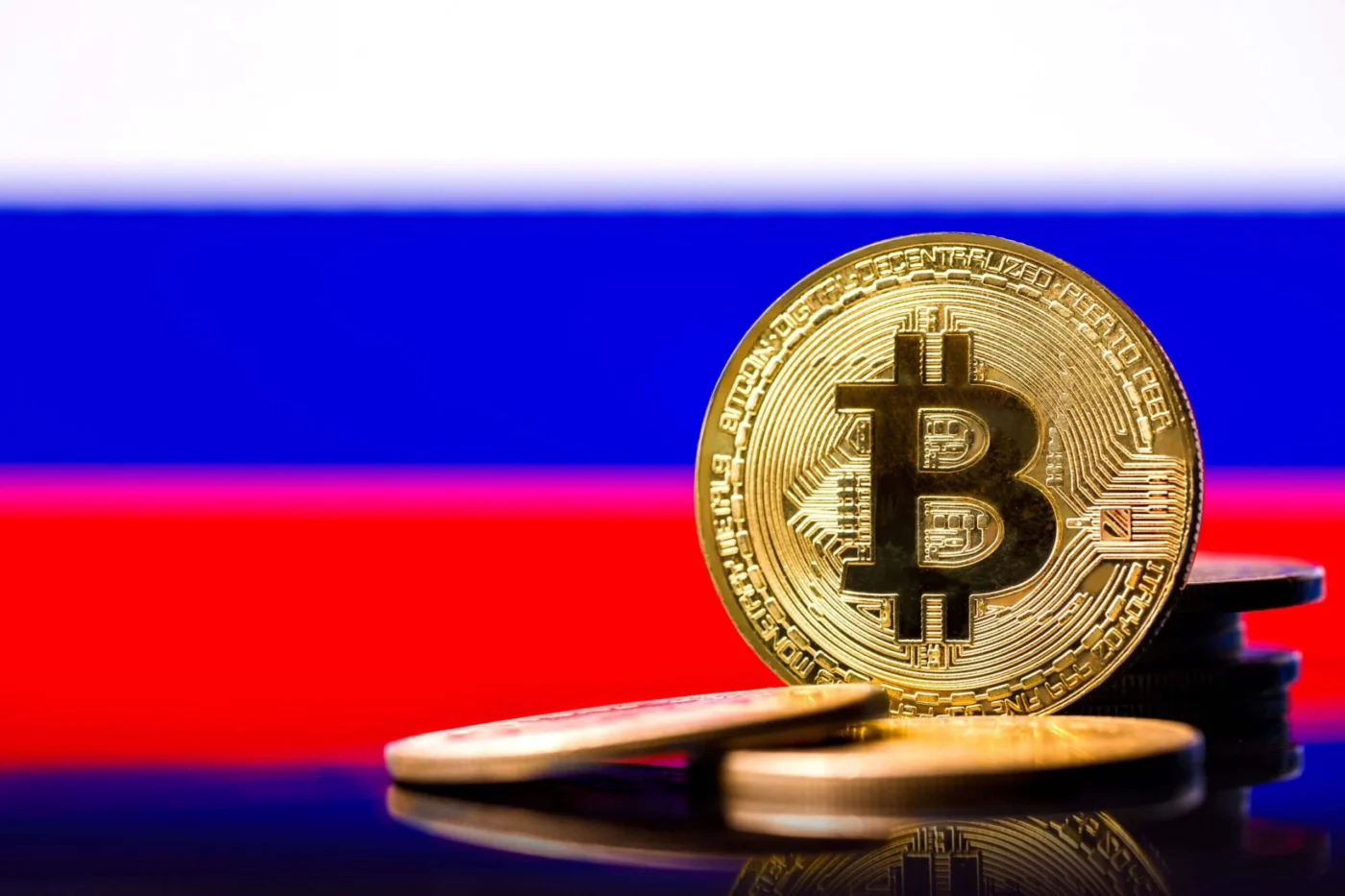
Brussels has introduced its most comprehensive financial restrictions against Moscow in over two years. This latest sanctions framework specifically addresses Russia’s utilization of digital assets to circumvent international economic barriers.
According to the European Union, Moscow has grown “increasingly reliant on cryptocurrencies for international transactions.” To counter this trend, Brussels has instituted a comprehensive prohibition on all cryptocurrency service providers and trading platforms headquartered in Russia.
The restrictions were formally unveiled on April 23. Prior to the announcement, European Commission President Ursula von der Leyen had conducted meetings with Ukrainian President Volodymyr Zelenskyy.
“This package puts further pressure on Russia to engage in negotiations and do so on terms acceptable for Ukraine,” the commission stated.
The restrictions extend far beyond cryptocurrency exchanges. Brussels has also prohibited Russia’s central bank digital currency initiative, the digital ruble, despite its ongoing development status. Additionally, the RUBx stablecoin, which maintains a peg to the Russian ruble, has been placed off-limits for all European Union citizens.
European residents now face absolute prohibitions against conducting transactions through any crypto asset service provider based in Russia or Belarus. These restrictions apply equally to decentralized finance platforms.
EU citizens are additionally restricted from providing Markets in Crypto-Assets Regulation services to individuals or organizations in Belarus.
Moscow’s Digital Asset Circumvention Strategy Faces Obstacles
The A7A5 stablecoin network emerged as a primary focus of the updated regulations. According to blockchain analytics company Chainalysis, A7A5 has facilitated $119.7 billion in total transaction volume.

Within a single year, that volume had surpassed $93.3 billion, based on data from Chainalysis’s 2026 Crypto Crime Report.
Chainalysis characterized A7A5 as “a purpose-built settlement rail designed to bridge sanctioned Russian businesses into the global financial system.”
Brussels also imposed sanctions on TengriCoin, a cryptocurrency exchange based in Kyrgyzstan that operates under the domain Meer.kg. Substantial volumes of A7A5 transactions flow through this platform.
Chainalysis indicated these actions represent the culmination of years of progressive enforcement targeting the interconnected Garantex–Grinex–A7A5 network. The analytics firm characterized the new measures as creating “an ecosystem-wide crypto restriction on Russia and Belarus.”
Banking Institutions and Payment Systems Face Restrictions
Twenty Russian banking institutions were specifically identified in the sanctions framework. Four financial institutions from third countries with connections to Russia’s SPFS messaging infrastructure were also designated.
SPFS serves as Russia’s domestically developed alternative to the SWIFT international banking communication system. Brussels specified that netting transactions involving Russian counterparties are now prohibited to eliminate sanctions circumvention pathways.
Nations identified in connection with financial services or commercial flows mentioned in the package include Kyrgyzstan, China, the United Arab Emirates, Uzbekistan, Kazakhstan, and Belarus.
Previous reports from last month indicated Binance terminated employees responsible for informing leadership that the platform had processed $1 billion in transactions connected to Iran, demonstrating that cryptocurrency-enabled sanctions evasion represents a broader challenge extending beyond Russia.
Get 3 Free Stock Ebooks
Discover top-performing stocks in AI, Crypto, and Technology with expert analysis.
- Top 10 AI Stocks - Leading AI companies
- Top 10 Crypto Stocks - Blockchain leaders
- Top 10 Tech Stocks - Tech giants



