



Key Takeaways
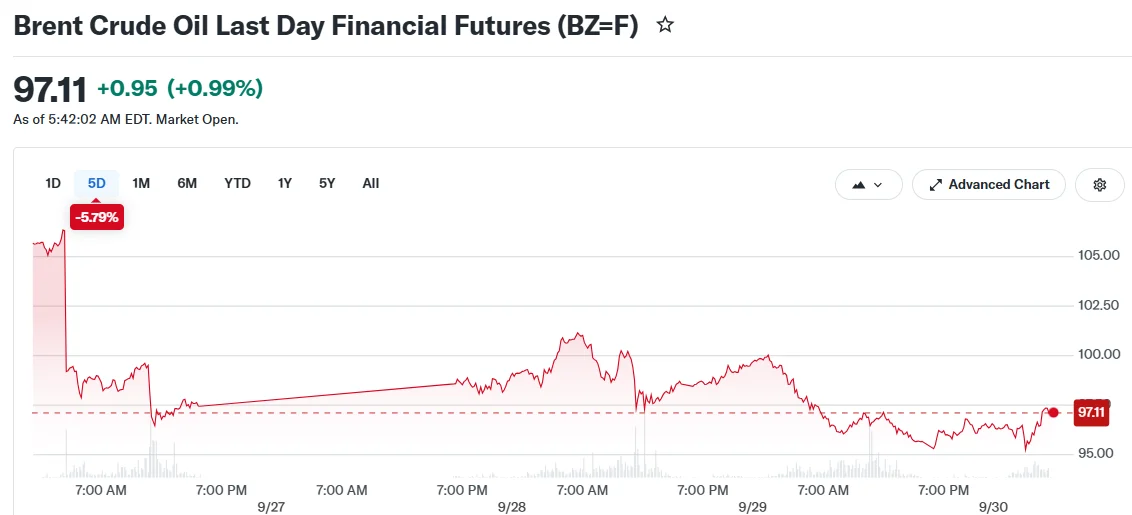
- Benchmark Brent crude climbed approximately 1% to reach $103.64 per barrel while WTI increased 0.9% to $90.21 per barrel on Wednesday, bouncing back from Tuesday’s significant declines.
- Saudi Arabia resumed crude shipments from Yanbu, its Red Sea terminal, following the restoration of the East-West Pipeline to approximately 3.5 million barrels daily.
- The critical Strait of Hormuz has remained inaccessible since February’s end after combined U.S.-Israeli military operations against Iran, maintaining heightened supply uncertainty.
- Qatari officials are facilitating negotiations between U.S. and Iranian representatives regarding potential strait reopening, though significant progress remains elusive.
- Diesel prices across the United States surged to $6.53 per gallon recently, marking a greater than 70% increase from pre-conflict levels and prompting White House consideration of export restrictions.
Oil prices registered gains during Wednesday’s trading session following Tuesday’s pronounced selloff. Market participants continue balancing renewed Middle Eastern export capacity against persistent concerns over maritime transport limitations.
November-dated Brent crude contracts advanced 1% to settle at $103.64 per barrel. West Texas Intermediate futures posted a 0.9% increase, touching $90.21 per barrel. These gains came after Tuesday witnessed Brent declining 2.6% while WTI tumbled 3.5%.
Kingdom Brings Critical Infrastructure Back Online
Wednesday’s price recovery came on the heels of announcements that Saudi Arabia had restarted crude shipments through Yanbu, its Red Sea export facility. The development followed the kingdom’s successful restoration of its East-West Pipeline, providing an alternative export route bypassing the Strait of Hormuz.
State oil giant Saudi Aramco has distributed its October delivery schedules to international buyers. Maritime tracking information indicated approximately 10 million barrels of crude were loaded across Yanbu and the neighboring Al Muajjiz facility.
The kingdom has brought pipeline throughput back to roughly 3.5 million barrels daily. This volume represents approximately half of the infrastructure’s maximum operational capacity, according to industry sources with direct knowledge of operations.

The pipeline’s return to service has alleviated some immediate supply pressure stemming from the regional military confrontation. However, the Strait of Hormuz situation continues casting a shadow over global oil markets.
The strategic waterway has been functionally closed since the period immediately following the coordinated U.S.-Israeli military strikes on Iranian targets in late February. Diplomatic initiatives targeting the strait’s reopening have yet to yield tangible outcomes.
Energy analysts at Deutsche Bank observed that market pricing continues reflecting expectations of prolonged disruption. They highlighted that increased crude flows from Gulf producers have somewhat diminished immediate price pressure.
Mediation Efforts and Escalating Domestic Fuel Expenses
Qatar has assumed an intermediary role in discussions between American and Iranian officials. These negotiations center on a potential agreement that might encompass Strait of Hormuz reopening alongside modifications to U.S. sanctions policy toward Iran.
President Trump has publicly disputed media accounts suggesting Washington proposed sanctions relief to Tehran. Iranian leadership maintains demands for specific concessions linked to any strait reopening arrangement.
Separate Financial Times reporting indicated the Trump administration is evaluating multiple policy responses to elevated domestic fuel costs. Among the measures under review is a potential prohibition on diesel fuel exports.
Diesel prices throughout the United States hit $6.53 per gallon in the most recent week. This represents an increase exceeding 70% compared to pre-conflict pricing levels.
Goldman Sachs analysis calculated that Persian Gulf crude exports, including vessels operating without transponder signals, totaled 23.3 million barrels daily over the previous seven-day period. This volume aligns with 2025’s regional average.
Market observers indicate the critical factor ahead is whether this elevated shipment rate proves sustainable throughout October. Trading desks are monitoring closely for indicators of consistent oil flow patterns.
The more actively traded December Brent contract showed a 0.8% decline to $95.34 per barrel during Wednesday’s early session. WTI futures for corresponding delivery fell 0.6% to $88.87 per barrel in the same timeframe.
Get 3 Free Stock Ebooks
Discover top-performing stocks in AI, Crypto, and Technology with expert analysis.
- Top 10 AI Stocks - Leading AI companies
- Top 10 Crypto Stocks - Blockchain leaders
- Top 10 Tech Stocks - Tech giants



