


TLDR
- JPMorgan initiated Buy coverage on Corteva with a $19 price objective following the corporate separation
- The price objective dropped from $83 to $19 due to the October 1 spinoff structure, not diminished expectations
- The agricultural technology giant separated its seed genetics division into standalone entity Vylor
- Analysts calculate intrinsic value around $21 per share, adjusted lower for potential environmental claims
- Corn futures have strengthened 20% annually, creating favorable conditions for agrochemical suppliers
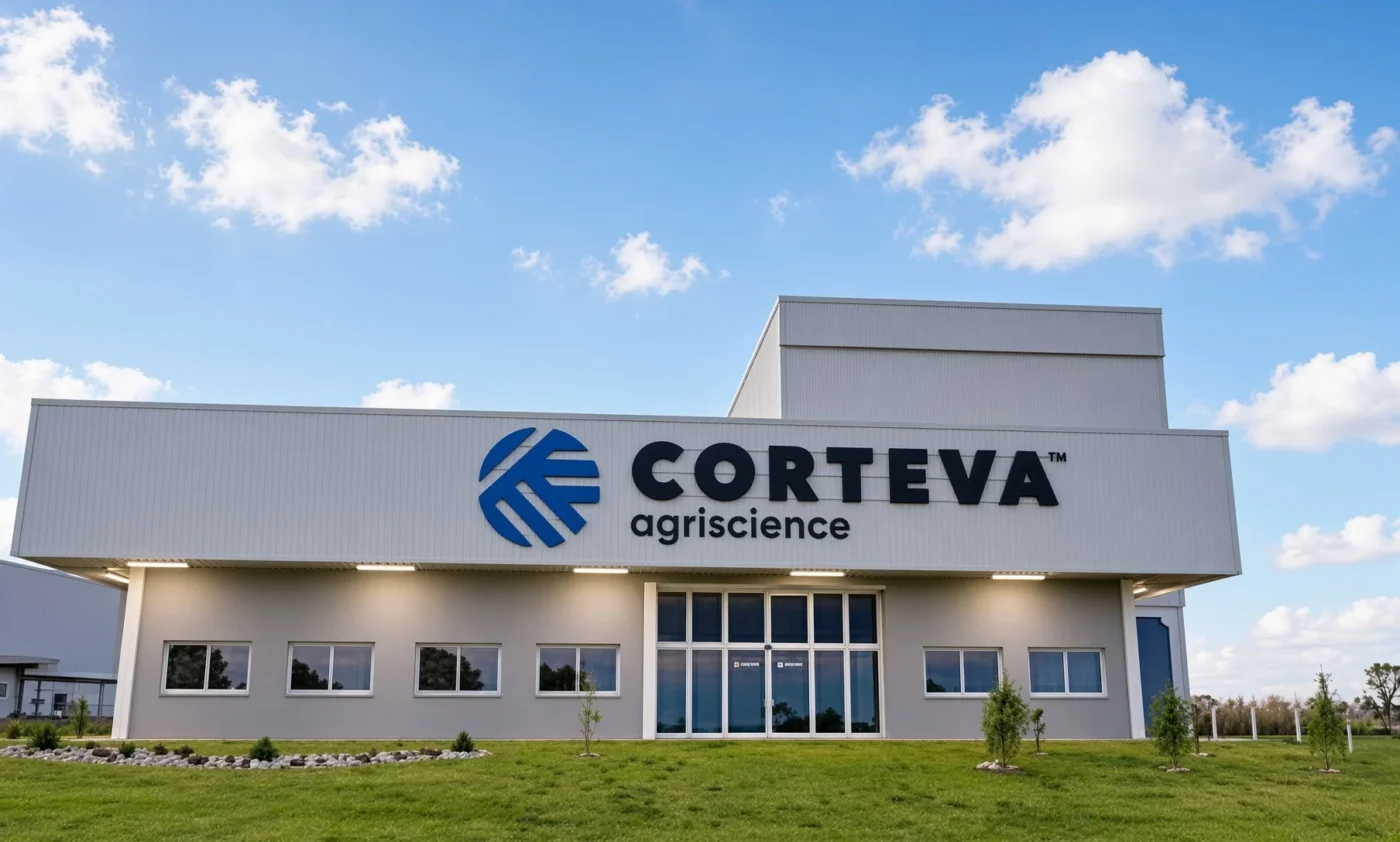
Corteva (CTVA) shares traded in a range between $12.77 and $13.54 throughout the week, climbing as much as 9% following a favorable rating change from JPMorgan. Research analyst Jeffrey Zekauskas elevated the stock from Hold to Buy on Tuesday.
Zekauskas established a $19 price objective for the shares. While this represents a substantial decline from the previous $83 forecast, the comparison is deceptive.
On October 1, Corteva executed a corporate separation into two independent entities. The reconstituted Corteva retained the agrochemical and crop protection operations. The seed genetics business, historically DuPont’s Pioneer division, emerged as an independent publicly traded company named Vylor.
Existing stockholders received one Vylor share for each Corteva share in their accounts. When viewed on an aggregate basis, the total equity value remained largely unchanged.

Vylor commenced public trading at $68.26 immediately after the separation. Corteva stock, meanwhile, declined 84% on October 1 strictly due to the removal of the seed genetics operations from its consolidated structure.
Trading activity reveals investor positioning following the split. The restructured Corteva recorded 88 million shares traded on the first session, followed by 79 million, then 183 million by the third day.
Vylor’s trading volume remained considerably lighter, registering 15 million, 14 million, and 17 million shares during the identical period. Market participants are evidently reassessing their allocation preferences between the two entities.
What JPMorgan Sees in Corteva
Zekauskas applies a 10x multiple to projected 2027 EBITDA for the crop chemical operations. This methodology yields approximately $21 per share before adjusting for litigation exposure.
He reduces that figure to $19 to reflect probable PFAS and PFOA environmental remediation obligations. JPMorgan projects Corteva’s portion of these expenses at roughly $1.3 billion, equivalent to $2 per share, assuming total industry liability reaches $8 billion.
The separated Corteva operates with a 38% gross profit margin and maintains EBITDA margins between 16.5% and 17%. The company carries minimal net debt.
JPMorgan calculates the equity’s EV/EBITDA ratio at 5.7 times based on 2027 projections. This represents a one-turn valuation discount relative to competitor FMC.
Corn Prices and the Bigger Picture
Benchmark corn futures are trading near $5 per bushel, representing a 20% increase compared to the prior year. Elevated commodity prices typically benefit agricultural input manufacturers like Corteva, as growers possess greater financial capacity to purchase crop protection products.
Zekauskas additionally highlighted opportunities for operational efficiency improvements. He estimates the company could eliminate $200 million annually from its expense base.
Management intends to in-license new agrochemical active ingredients from external industry partners. This strategic approach could generate revenue expansion without substantial research and development capital allocation.
JPMorgan’s positive stance is not isolated. The consensus analyst price objective for Corteva stands near $17, according to FactSet data, representing approximately 35% upside from current trading levels.
While individual price targets vary, the directional outlook among research firms remains aligned. Oppenheimer established a $17 objective, adjusted from $95 pre-separation, while maintaining its Outperform recommendation.
BMO Capital Markets assigned a $15 target, acknowledging crop protection market challenges alongside the structural reorganization. Morgan Stanley positioned higher at $18, emphasizing Corteva’s innovation pipeline as a catalyst for growth.
Mizuho maintained an Outperform rating specifically on Vylor, establishing a $97 price target. The research house observed that Vylor represents a substantial portion of the legacy company’s earnings before interest, taxes, depreciation and amortization.
Oppenheimer similarly reaffirmed Outperform on Vylor, with a $95 objective. For the present, market participants continue to evaluate the implications of the corporate separation across both securities.
Get 3 Free Stock Ebooks
Discover top-performing stocks in AI, Crypto, and Technology with expert analysis.
- Top 10 AI Stocks - Leading AI companies
- Top 10 Crypto Stocks - Blockchain leaders
- Top 10 Tech Stocks - Tech giants



