


Key Points
- Terry Duffy, CME’s chief executive, confirmed the exchange will pursue legal action against the CFTC regarding perpetual futures approvals
- The lawsuit claims perpetual contracts qualify as swaps under Dodd-Frank legislation, not futures products
- Kalshi received regulatory clearance for its BTCPERP product on May 29, while Coinbase secured access through Deribit
- Traditional exchange operators including CME, Cboe, and ICE saw stock prices decline following the regulatory decision
- The CFTC dismissed the threatened litigation as baseless and expressed confidence in defending its position
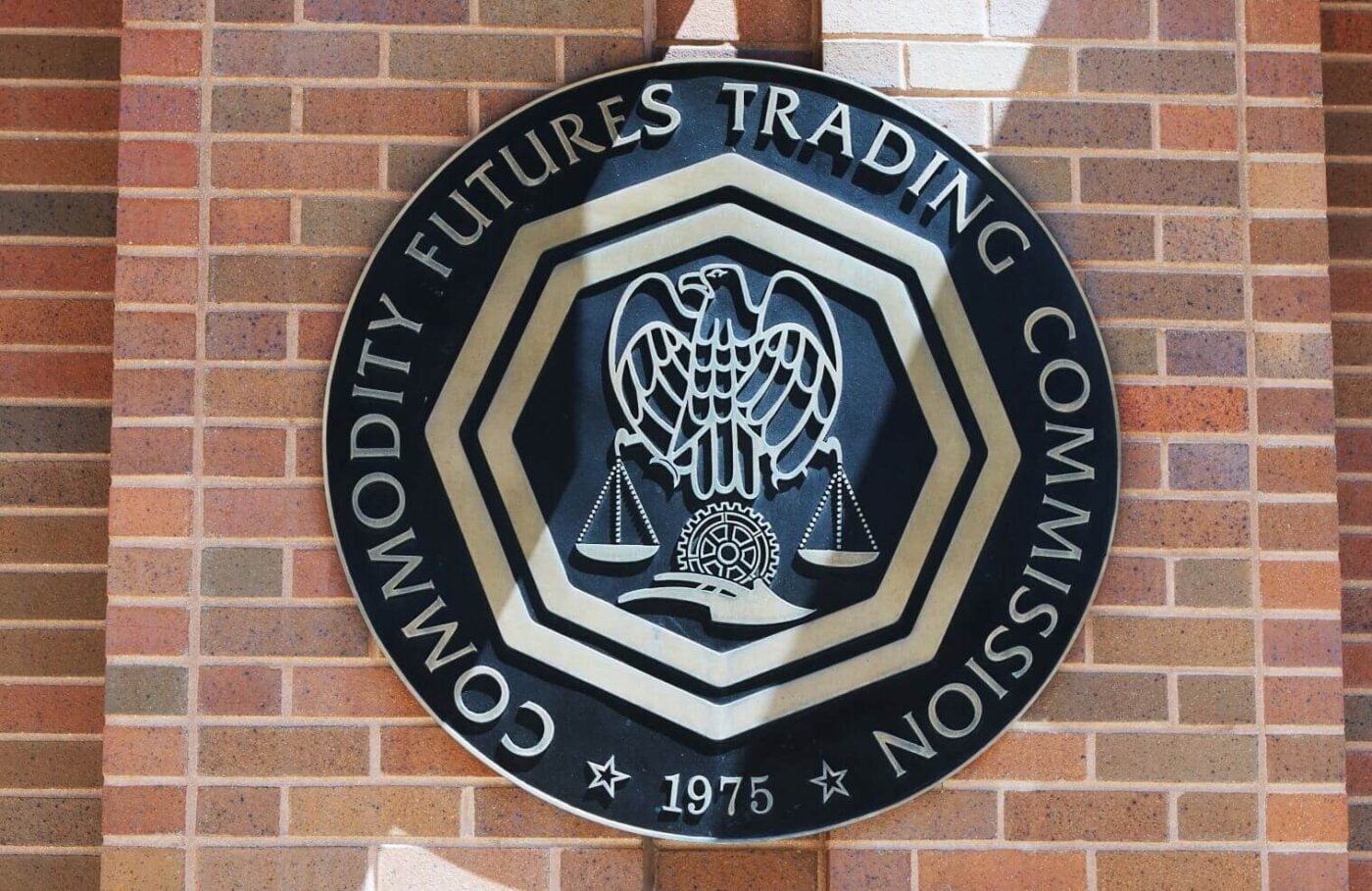
CME Group, a leading global derivatives marketplace, intends to challenge the U.S. Commodity Futures Trading Commission in federal court. The dispute revolves around the regulator’s decision to authorize cryptocurrency perpetual futures products.
Terry Duffy, the company’s chief executive, revealed the litigation strategy during a Wednesday appearance on CNBC. He contends the agency utilized an incorrect regulatory pathway when greenlighting these financial instruments.
Understanding Perpetual Futures Contracts
Perpetual futures contracts, commonly known as “perps,” represent derivative instruments without settlement dates. Market participants can maintain positions indefinitely without needing to transition into subsequent contract periods. These products have gained widespread adoption in international crypto trading venues and frequently permit substantial leverage ratios, amplifying potential profits and risks.
The CFTC granted authorization for Kalshi’s BTCPERP product on May 29, designating it as a futures instrument on a registered contract market. [[LINK_START_0]]Coinbase[[LINK_END_0]] similarly obtained a regulated pathway for crypto perpetual offerings via its acquisition of Deribit, the derivatives platform.
Kalshi’s perpetual products generated over $5.5 billion in trading volume soon after debut, demonstrating significant market appetite for these instruments.
The Foundation of CME’s Challenge
Duffy maintains that perpetual futures legally constitute swaps rather than futures contracts. According to Dodd-Frank Act provisions, when counterparties engage in reciprocal payment exchanges, such arrangements fulfill the statutory definition of swaps.

“The Dodd-Frank Act provides explicit definitions distinguishing swaps from futures contracts,” Duffy stated during his CNBC interview. He emphasized that the products receiving CFTC approval fail to satisfy the statutory criteria for futures classification.
CME maintains exclusive licensing agreements with benchmark administrators. Duffy asserted that instruments referencing those benchmarks should trade through CME’s platforms regardless of structural design.
According to Duffy, CME’s board has been developing this legal strategy for several months. “I’ve consistently stood firm on principle, and this situation is no different,” he remarked.
Duffy further alleged the [[LINK_START_1]]CFTC[[LINK_END_1]] provided misleading information. He referenced the agency’s communications regarding continuous trading capabilities, claiming the CFTC characterized the matter as regulatory policy when it lacked such status.
The CFTC issued a statement through its communications office, characterizing the prospective lawsuit as without merit and expressing readiness to defend its actions through judicial proceedings.
Industry Impact
Equity values for CME, Cboe, and Intercontinental Exchange declined after the CFTC’s decision to permit perpetual futures trading. Market analysts are evaluating whether these crypto products might redirect transaction volume from traditional futures marketplaces.
Duffy, who plans to relinquish his executive position next year, previously characterized U.S. crypto perpetual contracts as a “looming catastrophe.” His concerns focused on leverage accessibility, forced liquidation mechanisms, and funding rate expenses.
CME indicated it requires definitive regulatory guidance before potentially introducing proprietary perpetual futures offerings. Duffy noted the current regulatory framework lacks sufficient transparency.
This legal confrontation could reshape how trading venues offer crypto derivative products domestically and determine the competitive landscape between emerging platforms and established market operators.
Get 3 Free Stock Ebooks
Discover top-performing stocks in AI, Crypto, and Technology with expert analysis.
- Top 10 AI Stocks - Leading AI companies
- Top 10 Crypto Stocks - Blockchain leaders
- Top 10 Tech Stocks - Tech giants



