


Key Takeaways
- The CFTC has forwarded two regulatory proposals to the White House concerning event contracts traded on prediction market platforms.
- The first proposal seeks to categorize event contracts as “swaps,” placing them under CFTC regulatory control.
- The second proposal aims to exclude “casino-style gambling products” from the swap classification framework.
- These actions follow inconsistent federal court decisions regarding whether platforms such as Kalshi operate under CFTC or state gambling jurisdiction.
- Acting Chairman Mike Selig currently serves as the sole commissioner at the CFTC, making unilateral regulatory determinations.
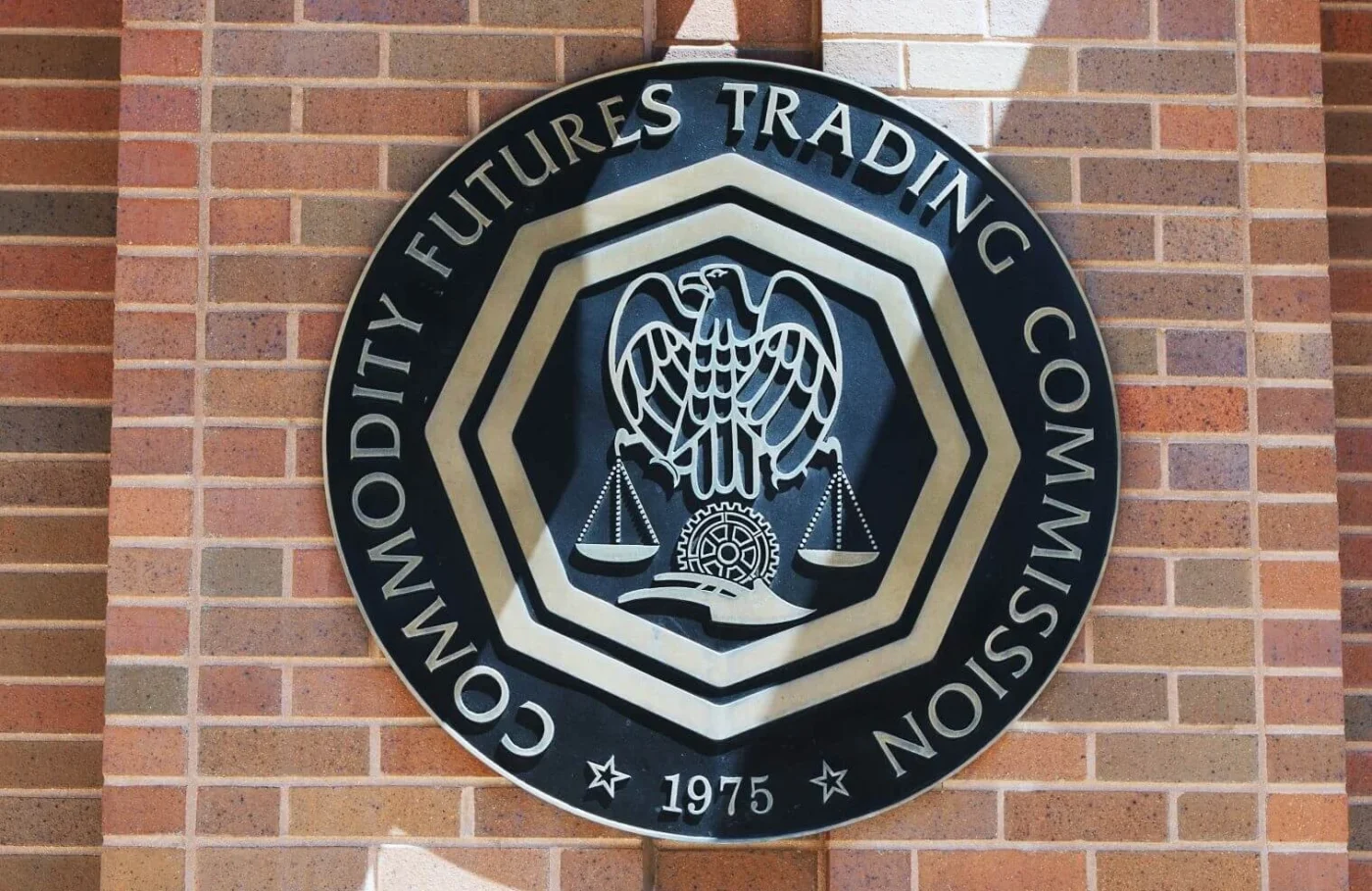
The Commodity Futures Trading Commission has forwarded two regulatory proposals to the White House Office of Management and Budget for evaluation. Both proposals address the regulatory framework governing event contracts utilized by prediction market operators.
The agency seeks to formally designate event contracts as “swaps.” Under existing law, swaps represent financial instruments overseen by the CFTC, involving agreements between counterparties contingent on specific outcomes.
The companion proposal would carve out “casino-style gambling products” from this swap designation. These dual initiatives represent a strategic effort to place prediction markets firmly outside state gambling regulatory frameworks.
Regulatory Strategy Behind The Proposals
Event contracts function as binary instruments based on verifiable real-world events. Market participants trade positions on outcomes ranging from electoral results to sporting competitions.
Organizations including Kalshi, Polymarket, Crypto.com, and Robinhood provide access to these instruments. The CFTC has asserted its role as the primary federal authority governing both the platforms and their contract offerings.
State regulators have contested this position. Numerous states maintain that sports-focused event contracts properly belong under existing state gambling statutes rather than federal commodity regulation.

This jurisdictional dispute has spawned litigation in various state courts. Kalshi has faced allegations in several jurisdictions of operating unauthorized gambling enterprises.
Conflicting Judicial Interpretations
Federal appellate courts have issued contradictory rulings on contract classification. Last week, the Sixth Circuit Court of Appeals determined that Kalshi’s sports-related contracts do not qualify as swaps.
The Eighth Circuit Court of Appeals delivered a comparable verdict. Both tribunals concluded these instruments belong under state gambling regulatory authority.
However, the Third Circuit Court of Appeals arrived at an opposing determination. That court validated the CFTC’s jurisdictional claims over these marketplaces.
This circuit split leaves the fundamental legal question unresolved at the federal level. Legal analysts have indicated the issue may ultimately require Supreme Court intervention.
The two proposals now await review by the White House Office of Management and Budget. This administrative stage typically precedes the public comment period for proposed regulations.
The interim final rule would become operative immediately upon approval. Public commentary and potential modifications would follow implementation.
Complete regulatory text for both proposals remains unavailable. The CFTC’s submission indicates neither proposal qualifies as “economically significant” under federal standards.
Chairman Mike Selig currently operates as the CFTC’s sole sitting commissioner. President Trump has not yet designated candidates for the vacant commissioner positions.
Consequently, Selig exercises regulatory authority without collegial oversight. Standard CFTC operations require a five-member commission.
Beyond these two proposals, the CFTC has also submitted a “prerule” addressing cryptocurrency regulation. The agency has not disclosed substantive details regarding that initiative.
Final resolution of these regulatory changes could significantly impact pending litigation between the CFTC and state governments. Formal designation of event contracts as swaps rather than gambling instruments may undermine state legal theories in active proceedings.
Get 3 Free Stock Ebooks
Discover top-performing stocks in AI, Crypto, and Technology with expert analysis.
- Top 10 AI Stocks - Leading AI companies
- Top 10 Crypto Stocks - Blockchain leaders
- Top 10 Tech Stocks - Tech giants



