


Key Takeaways
- CarMax shares plunge 13% following disappointing quarterly results and elevated expenses
- KMX posts quarterly loss amid declining retail vehicle sales and demand headwinds
- Compressed margins and falling used car sales trends pressure CarMax performance
- Quarterly loss driven by softening demand and escalating operational costs
- CarMax shares crater as profitability erodes and expense levels remain high
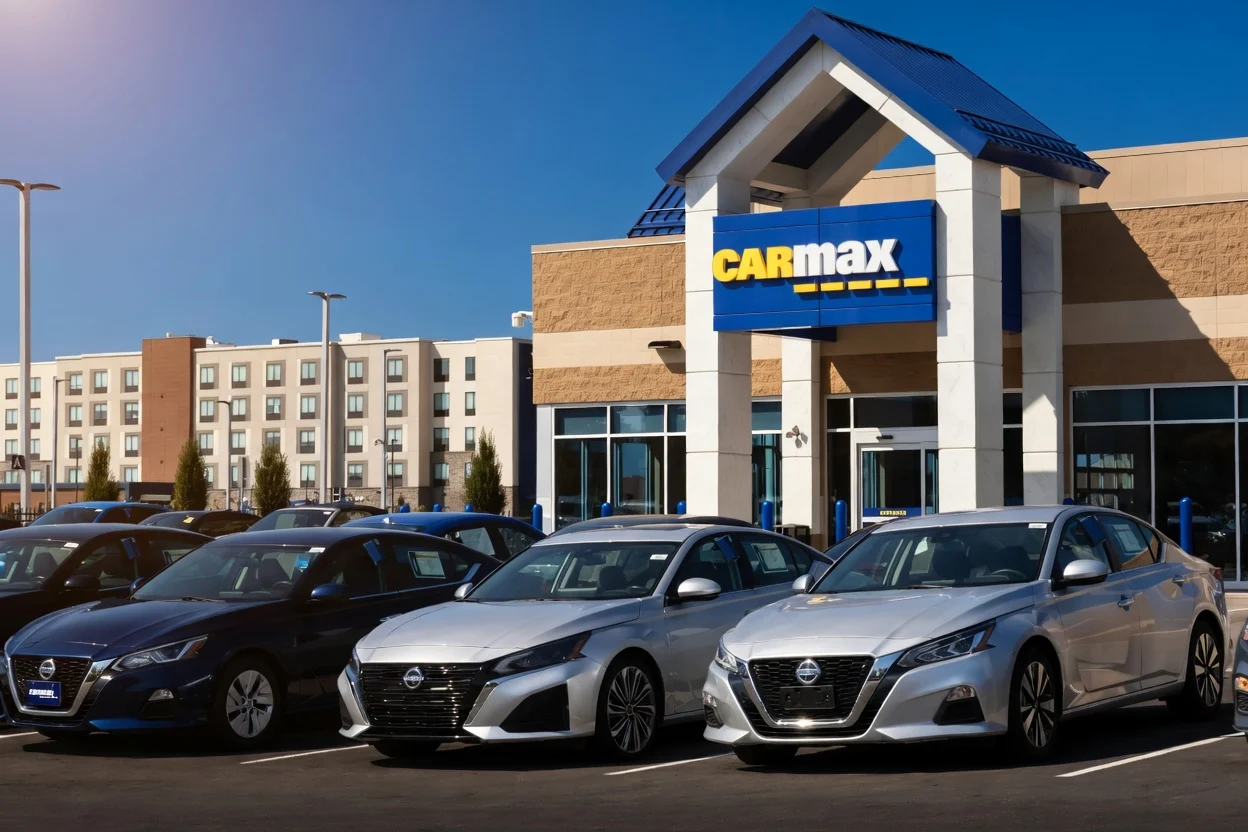
Shares of CarMax, Inc. (KMX) experienced a significant selloff, plummeting to $42.54 with a 13.33% decline as disappointing financial results and compressed margins triggered investor concern. The downturn came after the company disclosed a quarterly loss alongside deteriorating sales performance in its retail segment. Additionally, elevated expense levels and a substantial goodwill write-down intensified selling pressure throughout the trading day.
Earnings Miss and Goodwill Write-Down Impact Performance
CarMax disclosed a net loss totaling $120.7 million during the fourth quarter ending February 2026. This outcome represents a stark reversal from the $89.9 million in net income generated during the same period last year. The company’s diluted loss per share came in at $0.85, underscoring substantial financial weakness.
A non-cash goodwill impairment charge amounting to $141.3 million was booked during the reporting period. This write-down resulted from diminished market valuation and downward revisions to financial projections. The impairment substantially dragged down overall earnings and profitability metrics.

When excluding impairment and restructuring expenses, adjusted earnings per share totaled $0.34. Nevertheless, this metric also fell short of the previous year’s adjusted earnings benchmark. Core profitability continued facing headwinds despite the accounting adjustments.
Sales Volume Declines and Margin Deterioration
Retail used vehicle unit sales slipped 0.8% to reach 181,188 units during the reporting period. Comparable store sales performance weakened further, falling 1.9% and signaling softer consumer demand at established locations. Total retail revenue contracted 1.2% as both volume and pricing faced headwinds.
Gross profit per retail vehicle unit dropped to $2,115, representing a $207 decline year-over-year. This erosion stemmed from pricing strategies implemented to stimulate sales activity. Consequently, overall retail profitability margins experienced meaningful compression during the quarter.
Wholesale vehicle unit sales rose 3.0%, offering some relief to overall volume metrics. However, wholesale gross profit per unit decreased by $105 to $940. The margin deterioration neutralized benefits derived from increased wholesale transaction volumes.
Expense Pressures and Auto Finance Weakness
Total gross profit contracted 9.4% to reach $605.3 million, demonstrating widespread margin challenges. Meanwhile, selling, general, and administrative expenses held steady at $611.3 million, creating greater cost intensity. SG&A expenses surpassed gross profit, climbing to 101% of gross profit generated.
CarMax Auto Finance segment income declined 9.8% to $143.7 million for the quarter. This downturn reflected shrinking loan portfolio balances and elevated provisions for potential credit losses. Greater exposure to borrowers with weaker credit profiles contributed additional near-term financial strain.
The company raised its cost savings objective to $200 million in annualized reductions by fiscal year 2027. Management implemented staff reductions and operational restructuring initiatives to enhance operational efficiency. However, these measures have not yet succeeded in stabilizing profitability performance.
Get 3 Free Stock Ebooks
Discover top-performing stocks in AI, Crypto, and Technology with expert analysis.
- Top 10 AI Stocks - Leading AI companies
- Top 10 Crypto Stocks - Blockchain leaders
- Top 10 Tech Stocks - Tech giants



