


Key Highlights
- Adjusted earnings per share reached 50 cents, surpassing analyst expectations of 48 cents
- Revenue declined 4% year-over-year to $2.37 billion, narrowly missing the $2.38 billion consensus
- Snack division revenue fell 4%, driven by weakness in salty snacks and cracker categories
- Net income surged to $124 million compared to $66 million in the prior-year period
- Company maintains full-year outlook: organic revenue down 1%-2%, adjusted EPS of $2.15–$2.25
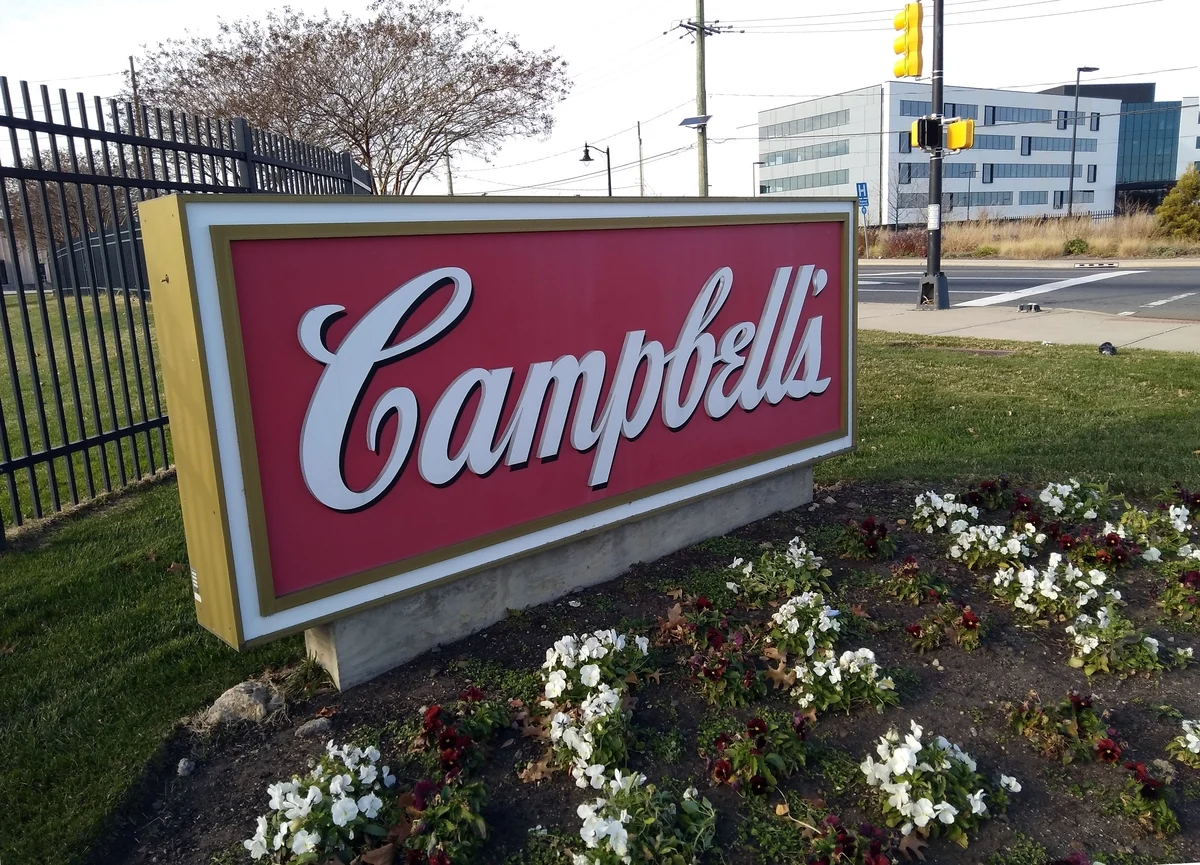
Shares of Campbell Soup surged 3.3% during Monday’s premarket session following the release of fiscal third-quarter earnings that exceeded profit expectations while falling slightly short on the revenue front.
The company reported adjusted earnings per share of 50 cents, topping the Street’s 48-cent projection. Revenue decreased 4% from the year-ago quarter to $2.37 billion, barely missing the consensus estimate of $2.38 billion.
With shares already trailing 22% for the year and down 37% over the trailing twelve months prior to the earnings release, the bar for positive investor reaction was relatively low.
Net income climbed to $124 million, translating to 41 cents per share, versus $66 million, or 22 cents per share, during the comparable period last year. This profitability expansion occurred even as the company faced revenue headwinds.

The company’s Snacks business continues to face significant challenges. Revenue from this segment decreased 4%, with weakness spread across salty snacks, crackers, and fresh bakery offerings.
The snacks category has been underperforming for multiple quarters. During Q2, organic snack revenue dropped 6%, and the turnaround has been more gradual than executives anticipated.
Chief Executive Mick Beekhuizen noted that quarterly performance aligned with internal projections but acknowledged persistent challenges from weak demand and margin pressure stemming from inflation. He highlighted emerging positive signals in the salty snacks product line as grounds for measured optimism.
The Meals and Beverages division also experienced a 4% revenue decline, including weakness in domestic soup sales. Nevertheless, Beekhuizen emphasized sustained momentum in home cooking trends that are supporting brands including Campbell’s, Rao’s, and Swanson.
Ongoing Snacks Segment Challenges
The Snacks business unit, which includes popular brands like Goldfish, Snyder’s of Hanover, and Cape Cod, has been hampered by consumers reducing discretionary purchases and intensifying pressure from store-brand alternatives.
Campbell’s has outlined strategic responses including ramping up promotional activity, evaluating selective price reductions, and introducing new product offerings. Additional cost reduction initiatives are underway as leadership seeks to “create fuel” for reinvestment in the company’s most promising growth avenues, according to Beekhuizen.
The organization is also navigating elevated debt levels stemming from its Sovos Brands acquisition — the transaction that added Rao’s to its brand portfolio — while simultaneously managing tariff-related cost increases.
Annual Guidance Remains Steady
Campbell Soup held its full-year projections steady. Management continues to anticipate organic revenue will decline between 1% and 2%, with adjusted earnings per share ranging from $2.15 to $2.25. The FactSet analyst consensus stands at $2.17.
This guidance already reflects a downward revision from the initial forecast, which was adjusted in March following disappointing snack demand that compelled management action.
Rao’s pasta sauce recently surpassed $1 billion in trailing twelve-month revenue, providing a notable success story within the Meals & Beverages segment.
Analyst sentiment on the stock remains reserved. The consensus 12-month price target among Wall Street analysts is $20, modestly below the stock’s pre-earnings trading level of approximately $21.60.
Get 3 Free Stock Ebooks
Discover top-performing stocks in AI, Crypto, and Technology with expert analysis.
- Top 10 AI Stocks - Leading AI companies
- Top 10 Crypto Stocks - Blockchain leaders
- Top 10 Tech Stocks - Tech giants



