


Key Takeaways
- Bolivia is developing regulations to recognize Tether’s USDT as an official currency for transactions alongside its boliviano and the US dollar
- The initiative stems from an acute shortage of American dollars following the abandonment of Bolivia’s decade-old currency peg
- Banking institutions Banco Unión and Banco FIE currently provide USDT-related services, establishing existing infrastructure
- Chainalysis’ 2025 Latin America analysis documented $14.8 billion in cryptocurrency transaction volume from Bolivia during a 12-month span
- Should the proposal advance, Bolivia would pioneer formal USDT integration alongside traditional currencies in Latin America
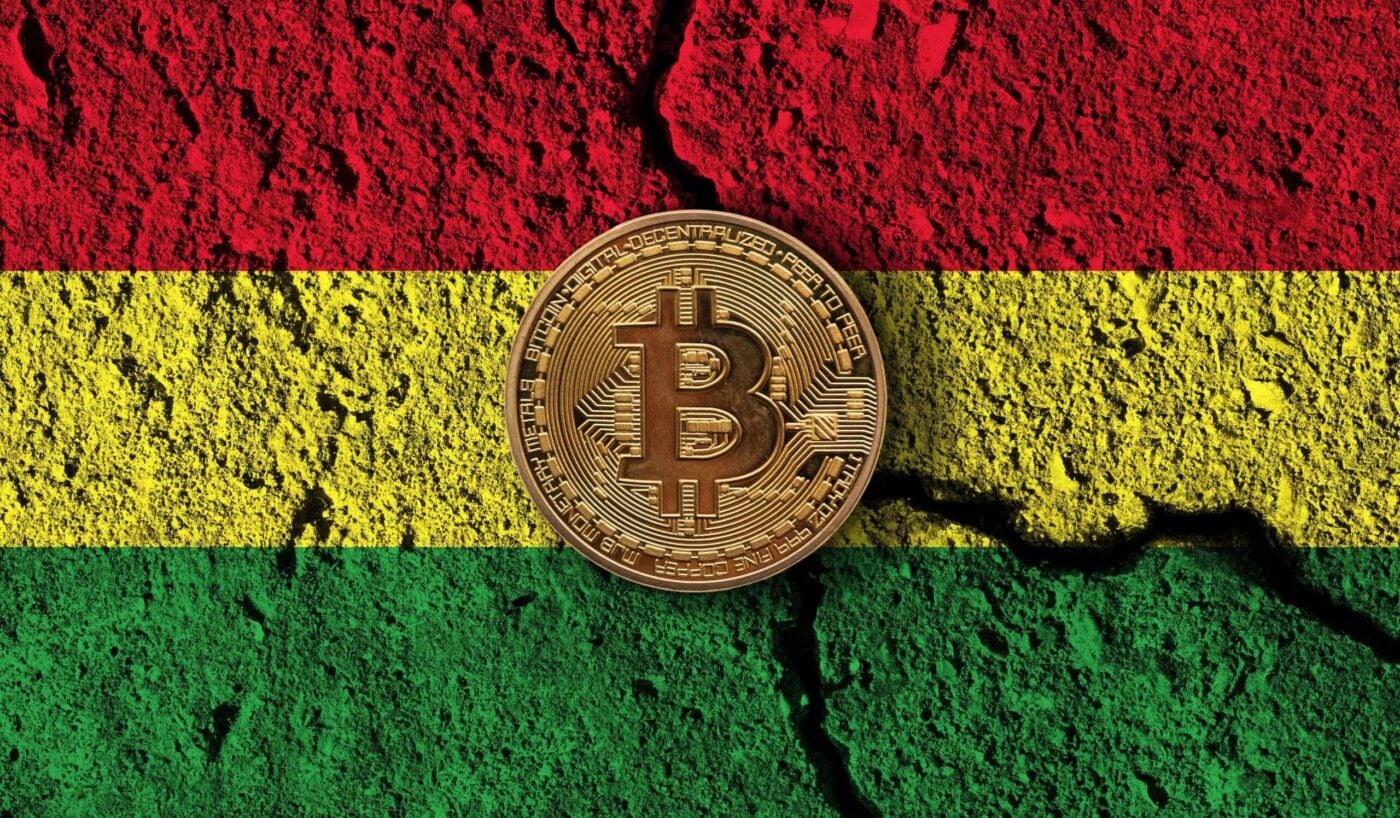
Bolivia is developing a regulatory structure to grant Tether’s USDT official status as a recognized payment instrument, positioning it beside the boliviano and US dollar within the country’s monetary framework.
During a Monday press briefing, Economy and Public Finance Minister Jose Gabriel Espinoza acknowledged that officials are examining a comprehensive regulatory approach. According to Espinoza, USDT might gain approval for circulation “as another legitimate currency” for common applications, encompassing consumer transactions, wealth preservation, and commercial activities.
The proposed framework remains under governmental assessment without formal implementation. Neither legislative ratification nor endorsement from the Central Bank of Bolivia has been publicly disclosed.
Foreign Currency Crisis Fuels Cryptocurrency Turn
Bolivia has confronted significant foreign exchange constraints over recent years. Declining natural gas output has diminished export income, depleting dollar stockpiles and creating shortages for enterprises and importers requiring hard currency.
For approximately ten years through early this year, Bolivia enforced a fixed exchange rate of 6.86 bolivianos per dollar. Following the peg’s discontinuation, an unofficial parallel market for dollars flourished, with the American currency commanding substantial premiums above the former official valuation.
This disparity has driven increasing numbers of Bolivians toward dollar-based alternatives. USDT has assumed a portion of this function, with brick-and-mortar retailers now accepting the stablecoin for routine purchases ranging from dairy items to confectionery, as verified by Tether CEO Paolo Ardoino during June 2025.

The state-controlled energy enterprise YPFB received authorization to accept cryptocurrency payments for petroleum imports beginning in March 2025, representing the administration’s inaugural formal action in this trajectory.
Existing Banking Systems Support Adoption
Banco Unión and Banco FIE, two Bolivian financial institutions, currently deliver USDT-connected services. This indicates that substantial infrastructure necessary for expanded implementation already operates.
Official recognition would legitimize activities already occurring informally. Such action might reduce transfer expenses, accelerate cross-border remittances, and establish a transparent substitute for underground dollar exchanges.
Bolivia rescinded its long-enforced cryptocurrency prohibition during 2024. Following President Rodrigo Paz Pereira’s assumption of office in late 2025, governmental authorities have committed to incorporating digital assets into regulated financial channels, including permitting banking institutions to deliver cryptocurrency-based offerings.
Implementation would require robust anti-money laundering protocols. Bolivia continues appearing on the Financial Action Task Force grey list, identifying nations under enhanced scrutiny for deficiencies in combating money laundering and terrorism financing.
Tether commissioned KPMG during March 2026 to execute a comprehensive examination of its reserves, which surpass $184 billion. This initiative is broadly interpreted as an attempt to establish the institutional legitimacy required for government-level adoption.
Chainalysis’ 2025 Latin America assessment documented Bolivia processing $14.8 billion in aggregate cryptocurrency transaction volume throughout a 12-month measurement period, positioning the nation among the region’s most active cryptocurrency markets.
Should authorities finalize the framework, Bolivia would establish precedent as Latin America’s inaugural nation to formally designate USDT as a payment currency functioning alongside conventional fiat money.
Get 3 Free Stock Ebooks
Discover top-performing stocks in AI, Crypto, and Technology with expert analysis.
- Top 10 AI Stocks - Leading AI companies
- Top 10 Crypto Stocks - Blockchain leaders
- Top 10 Tech Stocks - Tech giants



