



Key Takeaways
- Bitcoin dropped 1.8% to approximately $62,853 following weekend escalation in U.S.-Iran tensions
- Military exchanges occurred near the Strait of Hormuz, with Iran asserting control over the strategic waterway
- Crude oil prices surged approximately 4%, pushing WTI beyond $74 per barrel
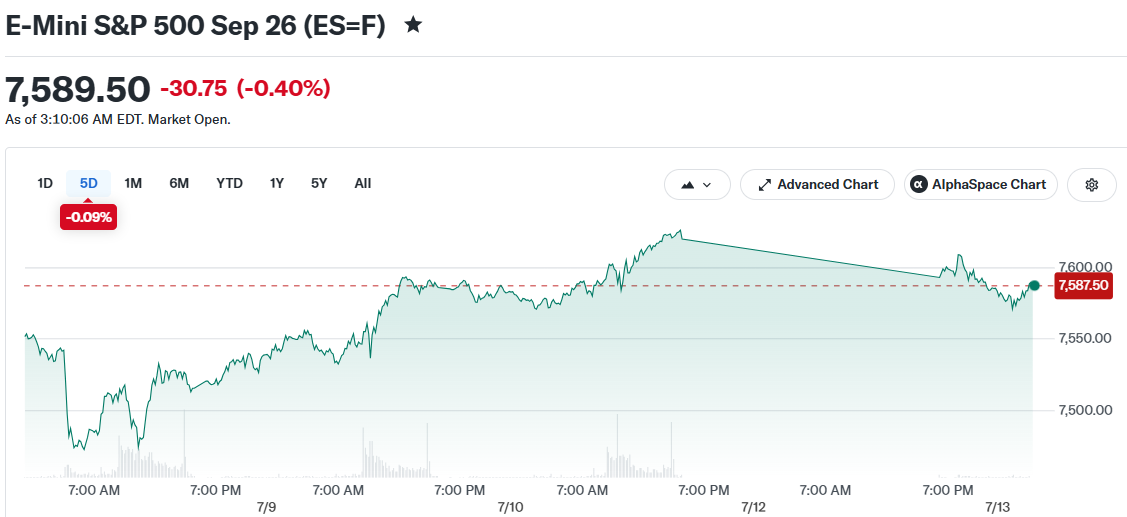
- Equity index futures declined, with Nasdaq-100 contracts down 1.24%
- Market attention has pivoted to artificial intelligence capital expenditures, eclipsing geopolitical concerns
The flagship cryptocurrency dipped beneath the $63,000 threshold Monday morning as renewed military confrontations between Washington and Tehran triggered widespread market anxiety and prompted capital flight from speculative investments.
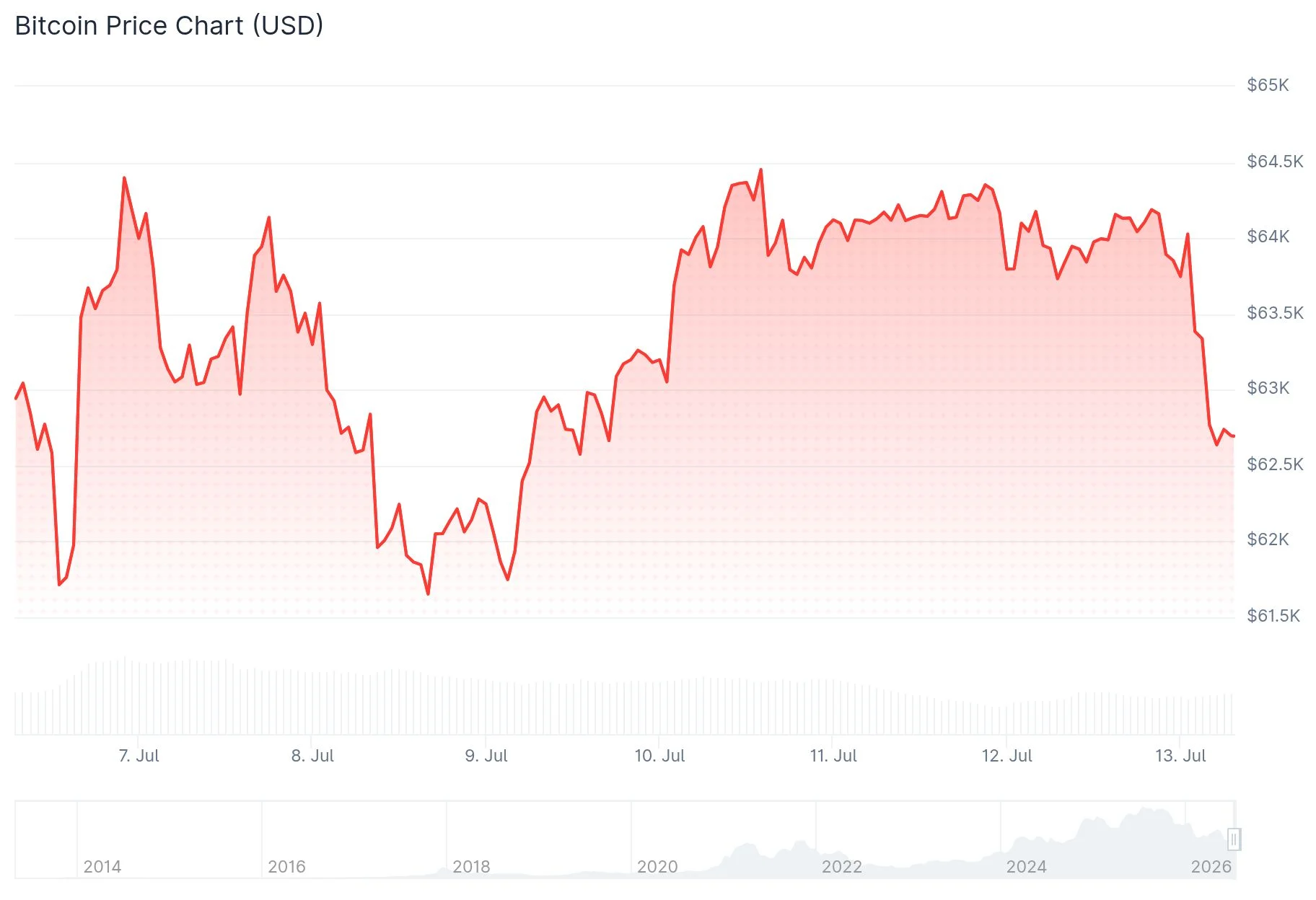
Bitcoin declined 1.8% to settle at $62,853, continuing its downward trajectory that began over the weekend.
Middle East Hostilities Trigger Risk Aversion
Military action intensified over the weekend when American forces launched strikes against Iranian installations following an apparent Iranian missile strike on a commercial vessel transiting the Strait of Hormuz. According to U.S. Central Command, approximately 140 Iranian military sites were targeted, encompassing missile batteries and unmanned aerial vehicle launch facilities.
Tehran retaliated with coordinated missile and drone attacks aimed at locations across Bahrain, Oman, Kuwait, Qatar, and Jordan.
Iranian authorities announced the closure of the Strait of Hormuz to maritime traffic. Washington rejected this assertion, with Centcom stating “Iran does not control the strait. Traffic is flowing.”

President Donald Trump acknowledged the termination of the 60-day ceasefire arrangement, although international diplomatic channels continue pursuing peaceful resolution efforts.
Energy markets responded dramatically to these developments. West Texas Intermediate crude advanced approximately 4% to surpass $74 per barrel. Brent crude similarly gained roughly 4%, climbing above $79 per barrel.
Elevated energy costs amplify concerns regarding inflation pressures, potentially constraining central bank flexibility on interest rates. Higher borrowing costs typically diminish the attractiveness of non-income-producing assets such as cryptocurrencies.
Equity Futures Retreat, Digital Assets Follow Suit
American equity index futures weakened Sunday evening. Dow Jones Industrial Average futures declined approximately 170 points, representing a 0.3% decrease. S&P 500 futures retreated 0.42% while Nasdaq-100 futures tumbled 1.24%.
The broader cryptocurrency ecosystem experienced parallel weakness. Ether decreased 1.1% to $1,783. XRP shed 1.7%. Solana, Cardano, and BNB posted losses ranging from 0.2% to 3%. Dogecoin fell 1.2%, while $TRUMP contracted 2.2%.
Bitcoin exchange-traded products have witnessed eight consecutive weeks of net redemptions, based on analytics from SoSoValue. Institutional interest in cryptocurrency exposure has significantly diminished.
The Clarity Act, anticipated regulatory legislation for digital assets, has encountered legislative headwinds, eliminating a prospective positive catalyst for the industry.
Bitcoin currently trades approximately 50% beneath its October peak valuation.
Artificial Intelligence Dominates Investment Narrative
Notwithstanding geopolitical turbulence, Wall Street’s primary focus has transitioned toward artificial intelligence infrastructure investment.
Market strategists indicate that emphasis has migrated from energy markets and international conflict toward the AI capital deployment cycle. AI-related expenditures and earnings projections have emerged as the predominant catalyst for equity market appreciation this year.
The second-quarter corporate earnings reporting period commences this week. Major financial institutions release results Tuesday and Wednesday. Netflix and Taiwan Semiconductor Manufacturing report Thursday. Market analysts project S&P 500 earnings growth of 23.6% for the quarter, according to FactSet data.
Federal Reserve Chair Kevin Warsh is scheduled to provide Congressional testimony this week. June’s Consumer Price Index data releases Tuesday, with the Producer Price Index following Wednesday. Economists will scrutinize both reports to assess underlying inflation dynamics prior to the recent energy price shock.
Get 3 Free Stock Ebooks
Discover top-performing stocks in AI, Crypto, and Technology with expert analysis.
- Top 10 AI Stocks - Leading AI companies
- Top 10 Crypto Stocks - Blockchain leaders
- Top 10 Tech Stocks - Tech giants



