


TLDR
- Warren Buffett’s preferred market valuation metric reached an unprecedented 232.5%, suggesting potentially inflated stock prices
- Berkshire Hathaway concluded Q1 2026 holding $397 billion in liquid assets, increasing from $373 billion at year-end 2025
- During the first quarter, Berkshire sold $8.1 billion more in stocks than it acquired, continuing its selling trend
- CEO Greg Abel deployed $10 billion into Alphabet shares in June, elevating it to one of Berkshire’s top four equity positions
- Goldman Sachs analysis indicates trading activity in high-valuation stocks approaches levels not seen since the 2000 tech bubble
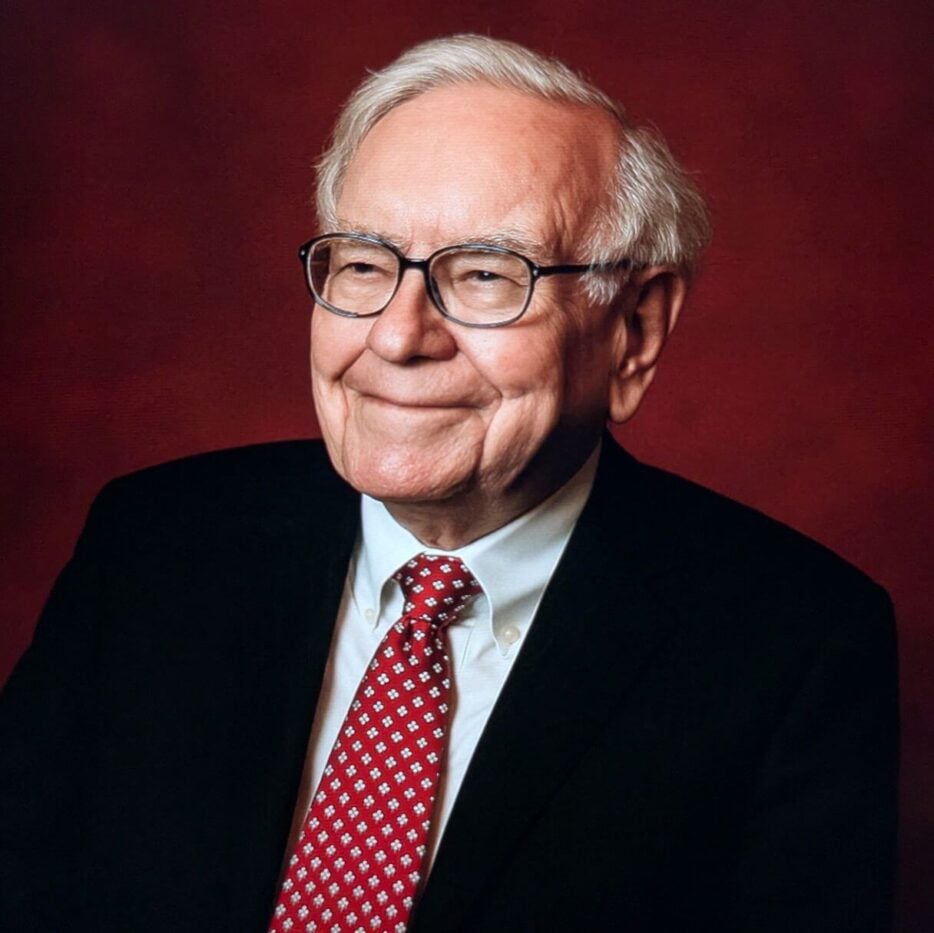
Warren Buffett’s preferred market measurement tool has reached an all-time peak, while Berkshire Hathaway’s cash reserves have climbed alongside it. These twin developments are prompting investors to question the sustainability of current equity valuations.
The Buffett Indicator — calculated by comparing total US stock market capitalization to gross domestic product — currently registers approximately 232.5%. This represents the highest measurement since data collection began in 1970, based on information from GuruFocus.
Buffett has previously stated that when this metric nears 200%, market participants are “playing with fire.” The present figure sits roughly two standard deviations above its historical average, according to analysis from Advisor Perspectives.
To put this in perspective, Buffett has indicated that readings between 70% and 80% represent levels where “buying stocks is likely to work very well for you.” Today’s measurement is approximately triple that range.
Cash Reserves Continue Climbing
Berkshire Hathaway finished the opening quarter of 2026 holding roughly $397 billion in cash, equivalents, and short-duration Treasury securities. This represents an increase from the $373 billion reported at 2025’s conclusion, indicating the conglomerate accumulated approximately $24 billion during the three-month period.
The firm maintained its pattern as a net equity seller throughout the quarter. Berkshire disposed of $8.1 billion more stock than it acquired, Bloomberg reported.
This cash stockpile now surpasses the aggregate liquid holdings of technology giants Apple, Amazon, Alphabet, and Microsoft combined.

When equity markets retreated approximately 9% from January peaks earlier this year, numerous market observers anticipated Buffett would utilize some of these reserves. That deployment never materialized.
“This is nothing to make you get excited,” Buffett remarked to CNBC, referencing the modest decline while noting three historical instances where Berkshire shares plummeted over 50%.
The S&P 500 presently commands a forward price-to-earnings multiple of roughly 21, significantly exceeding the long-term historical norm of approximately 16, based on FactSet data.
Goldman Sachs strategist Ben Snider observed that activity in equities carrying elevated enterprise value-to-sales ratios has reached levels not witnessed since 2000.
New Leadership Charts Different Course
While Buffett maintained his cautious stance, Berkshire’s new CEO Greg Abel pursued an alternative strategy. Abel assumed leadership from Buffett when 2025 concluded.
In June 2026, Berkshire committed to a $10 billion Alphabet investment via private placement — allocating $5 billion toward Class A shares priced around $352 apiece and $5 billion for Class C shares at approximately $348 per share.
This transaction supplemented roughly $11 billion Abel had previously invested in Alphabet during the first quarter. Berkshire’s aggregate Alphabet position now totals approximately $26.6 billion, with current market value reaching about $32 billion.
The Alphabet deployment represents part of an $84.7 billion capital raise designed to fund artificial intelligence infrastructure development, CNBC reported.
Alphabet now holds comparable status with Apple, American Express, and Coca-Cola among Berkshire’s four most substantial equity investments.
Abel’s inaugural quarter leading Berkshire generated operating earnings of $11.35 billion, representing nearly 18% year-over-year growth. Net income more than doubled, climbing to $10.1 billion from $4.6 billion during Q1 2025.
Abel approved $234 million in share buybacks during March — marking the company’s first repurchase program since May 2024.
Berkshire’s short-duration Treasury holdings currently yield just below 4%, with the 3-month rate standing at 3.72% in early June.
Get 3 Free Stock Ebooks
Discover top-performing stocks in AI, Crypto, and Technology with expert analysis.
- Top 10 AI Stocks - Leading AI companies
- Top 10 Crypto Stocks - Blockchain leaders
- Top 10 Tech Stocks - Tech giants



