


Key Takeaways
- Amazon has expanded its less-than-truckload (LTL) freight offering to serve all U.S. businesses and destinations nationwide.
- Previously limited since 2019, the service now accommodates retail partners, distribution facilities, and third-party warehouses of any size.
- Trucking stocks experienced significant losses: Saia declined 8.2%, Old Dominion dropped 7.3%, FedEx Freight decreased 5.2%, and Knight-Swift fell 5.4%.
- Supporting this expansion is Amazon’s extensive logistics infrastructure featuring over 80,000 trailers and 24,000 intermodal containers.
- This expansion follows Amazon’s May reveal of its comprehensive Supply Chain Service, which previously disrupted logistics sector equities.
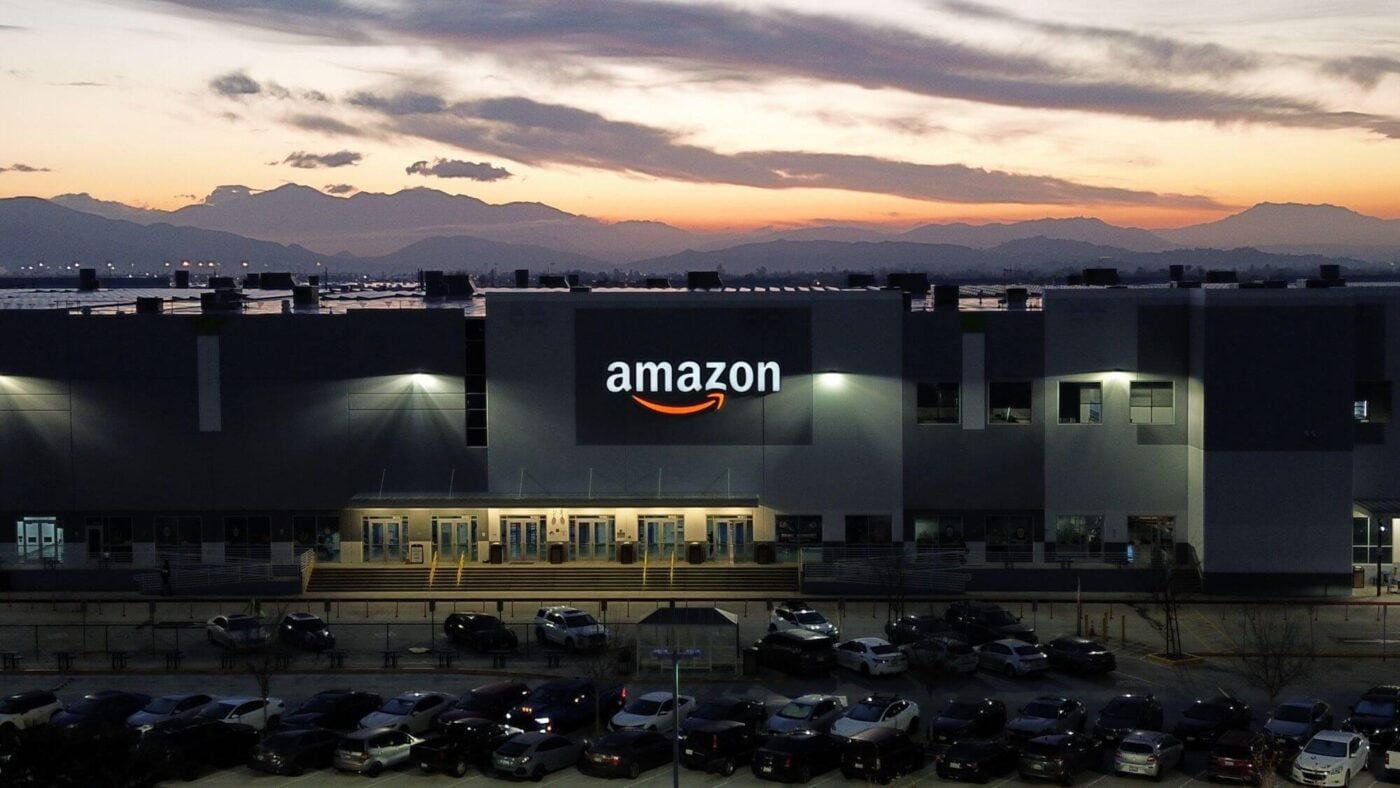
Amazon has announced a nationwide rollout of its less-than-truckload freight offering, making it available to businesses of every size across all U.S. locations, triggering immediate concern throughout the trucking industry.
The e-commerce giant revealed the LTL service expansion Tuesday as a component of its Amazon Supply Chain Services suite. Originally launched in 2019 with limited scope for sellers shipping to Amazon facilities, the service has now been opened to the broader market.
Jim Ruiz, director of Amazon Freight, stated the company’s position clearly: “Now Amazon LTL can move your freight wherever it needs to go, servicing destinations nationwide for businesses of all sizes.”
Market response came quickly and decisively. Old Dominion Freight Line (ODFL) tumbled 7.3%, Saia (SAIA) plummeted 8.2%, Knight-Swift (KNX) declined 5.4%, and FedEx Freight (FDXF) lost approximately 5.2%. XPO (XPO) decreased between 4% and 5%. Amazon (AMZN) shares also retreated roughly 1.2%.
The LTL freight segment serves companies shipping partial truck loads — usually one to six pallets — transporting goods across shorter routes, predominantly to commercial and industrial clients. This market is highly competitive and mature, with Old Dominion, XPO, Saia, and FedEx Freight representing major publicly traded competitors.

Amazon’s enhanced service includes multiple value-added features: next-day live pickup options, same-day drop trailer collection, GPS tracking in real time, and cargo camera surveillance. Supporting this infrastructure are more than 80,000 trailers and 24,000 intermodal containers.
The logistics sector has experienced Amazon disruption before. When the company unveiled its comprehensive Amazon Supply Chain Service in May — encompassing warehousing, distribution, and final-mile delivery — UPS shares plunged over 10% during that trading session.
Analyst Perspective: Why Market Overreaction Is Possible
Financial analysts have cautioned against overinterpreting Amazon’s strategic moves as existential threats to established freight carriers. The reasoning follows a consistent pattern: Amazon has been developing logistics capabilities for years, the industry possesses sufficient growth capacity for multiple competitors, and historical precedent demonstrates incumbent resilience.
Analysts additionally emphasize that Amazon entering the freight space differs fundamentally from e-commerce’s disruption of traditional retail. Established carriers maintain diverse industrial client portfolios that Amazon is only beginning to pursue.
Understanding Amazon’s Service Offering
The nationwide LTL expansion specifically targets companies shipping one to six pallets, a market segment where carriers such as Old Dominion and Saia have maintained strong positions. Last year alone, Amazon transported millions of pallets through this service before the current expansion.
By combining nationwide accessibility with advanced tracking capabilities and reliability assurances, Amazon provides smaller shippers with competitive alternatives previously unavailable in the market.
This represents the core concern for investors — less about immediate competitive impact and more about Amazon’s strategic trajectory.
Currently, stock price movements within the trucking sector provide the most transparent indicator of market sentiment. Saia’s 8.2% decline represented the most severe single-day reaction among LTL competitors on Tuesday.
Get 3 Free Stock Ebooks
Discover top-performing stocks in AI, Crypto, and Technology with expert analysis.
- Top 10 AI Stocks - Leading AI companies
- Top 10 Crypto Stocks - Blockchain leaders
- Top 10 Tech Stocks - Tech giants



