Key Highlights
- Amazon shares advance 3.29% to reach $248.26 amid crucial Ohio infrastructure vote.
- Sunbury ballot measure threatens to halt Amazon’s $2 billion data center development.
- Proposed restrictions would ban facilities consuming over 25 megawatts of power.
- Earlier data center referendums in 2025 all resulted in stricter development controls.
- Community pushback presents escalating challenges for technology sector AI buildout.
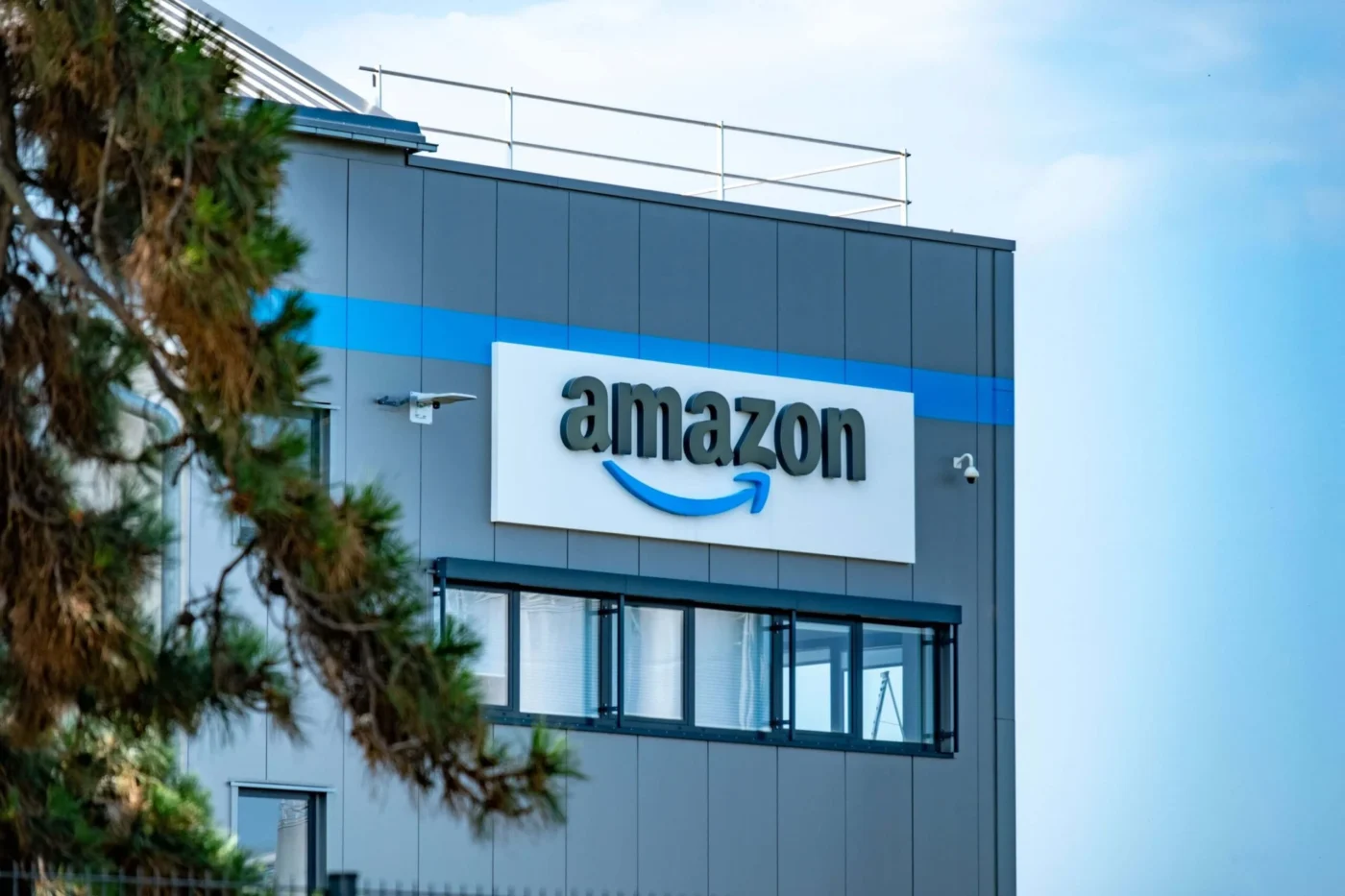
Amazon.com, Inc. confronts mounting local resistance as communities push back against data center expansion necessary for artificial intelligence infrastructure. The tech giant’s stock price reached $248.26, posting a 3.29% gain in recent trading. However, a critical ballot initiative in Sunbury, Ohio could derail the company’s ambitious $2 billion facility plans.
Amazon.com, Inc., AMZN
This voting event reflects a broader nationwide conflict surrounding data center proliferation. Residents have voiced apprehension regarding power grid strain, water resource depletion and operational noise from massive computing facilities. Such grassroots opposition is generating unexpected roadblocks for tech firms pursuing infrastructure approvals.
The Sunbury referendum is among 41 data center-related ballot initiatives appearing across 10 states. Among these, 28 proposals aim to strengthen development restrictions, while 13 advocate for streamlined construction processes. Ohio leads with 21 separate measures, positioning the state at the epicenter of this infrastructure debate.
Residents Challenge Amazon’s Massive Ohio Development Project
Local activists successfully placed the data center prohibition on Sunbury’s ballot after gathering community signatures opposing the project. While organizers required just 172 validated signatures, election authorities confirmed 351 legitimate submissions. The measure would block any facility demanding more than 25 megawatts of electrical capacity.

Should this restriction pass, it would effectively terminate Amazon‘s proposed $2 billion development. The corporation obtained tax incentive packages in 2024 while pledging to establish 50 full-time positions. Sunbury officials subsequently enacted a development freeze extending until January 2027.
The e-commerce leader must still negotiate a formal development agreement before construction commences. Local residents continue expressing concerns about resource impacts. Their primary objections center on increased electrical infrastructure demands, municipal water system strain and persistent noise pollution from cooling systems.
Wave of Restrictive Votes Sweeps Through Multiple States
Sunbury’s referendum arrives after six previous data center ballot measures unanimously resulted in enhanced development limitations. Voter support for stricter controls ranged between 66% and 90% across these earlier decisions. This pattern demonstrates significant grassroots skepticism toward large-scale technology infrastructure in residential areas.
The current election cycle presents unprecedented challenges for the data center sector. With 41 measures spanning 10 states addressing facility regulation, the industry faces coordinated resistance. Ohio’s 21 proposals represent more than half the national total.
This infrastructure controversy unfolds alongside questions about forthcoming US technology regulations. Polymarket data suggests approximately 72% probability of Democratic congressional control. Over $52 million in wagers have been placed on that political outcome.
Major Tech Corporations Navigate Infrastructure Headwinds
Intensifying community resistance threatens expansion strategies at Amazon, Microsoft and Alphabet alike. These technology leaders continue allocating billions toward data centers powering cloud services and AI capabilities. Enhanced local regulations could postpone timelines and inflate construction expenses.
Amazon has not disclosed whether these ballot initiatives will reshape its infrastructure roadmap. Company representatives emphasized their dedication to community collaboration. The Sunbury outcome may signal how future infrastructure proposals will be received.
Data center construction nationwide continues advancing despite mounting opposition. Cushman & Wakefield data revealed capacity under development jumped 48% from December 2025 through June 2026. Industry analyst Dan Ives previously projected that community resistance might block 10% to 15% of planned American data centers.
This escalating tension creates additional obstacles for firms making substantial AI infrastructure investments. Amazon must reconcile aggressive expansion goals with regulatory approval processes and neighborhood concerns. The Sunbury vote’s implications may extend far beyond this single Ohio project.
Get 3 Free Stock Ebooks
Discover top-performing stocks in AI, Crypto, and Technology with expert analysis.
- Top 10 AI Stocks - Leading AI companies
- Top 10 Crypto Stocks - Blockchain leaders
- Top 10 Tech Stocks - Tech giants