


TLDR
- Shares of NVDA declined toward $225 following an all-time high of $243.37 recorded on October 6.
- Microsoft unveiled Maia 300, designed to deliver 40% superior processing efficiency compared to top GPU configurations.
- OpenAI’s disclosed $50 billion annualized revenue sparked fresh questions about AI investment returns.
- Nvidia is exploring a deeper stake in Reflection AI, potentially through full acquisition.
- SpaceX pursues $40 billion in debt to fund Nvidia chip purchases as infrastructure expenses climb.
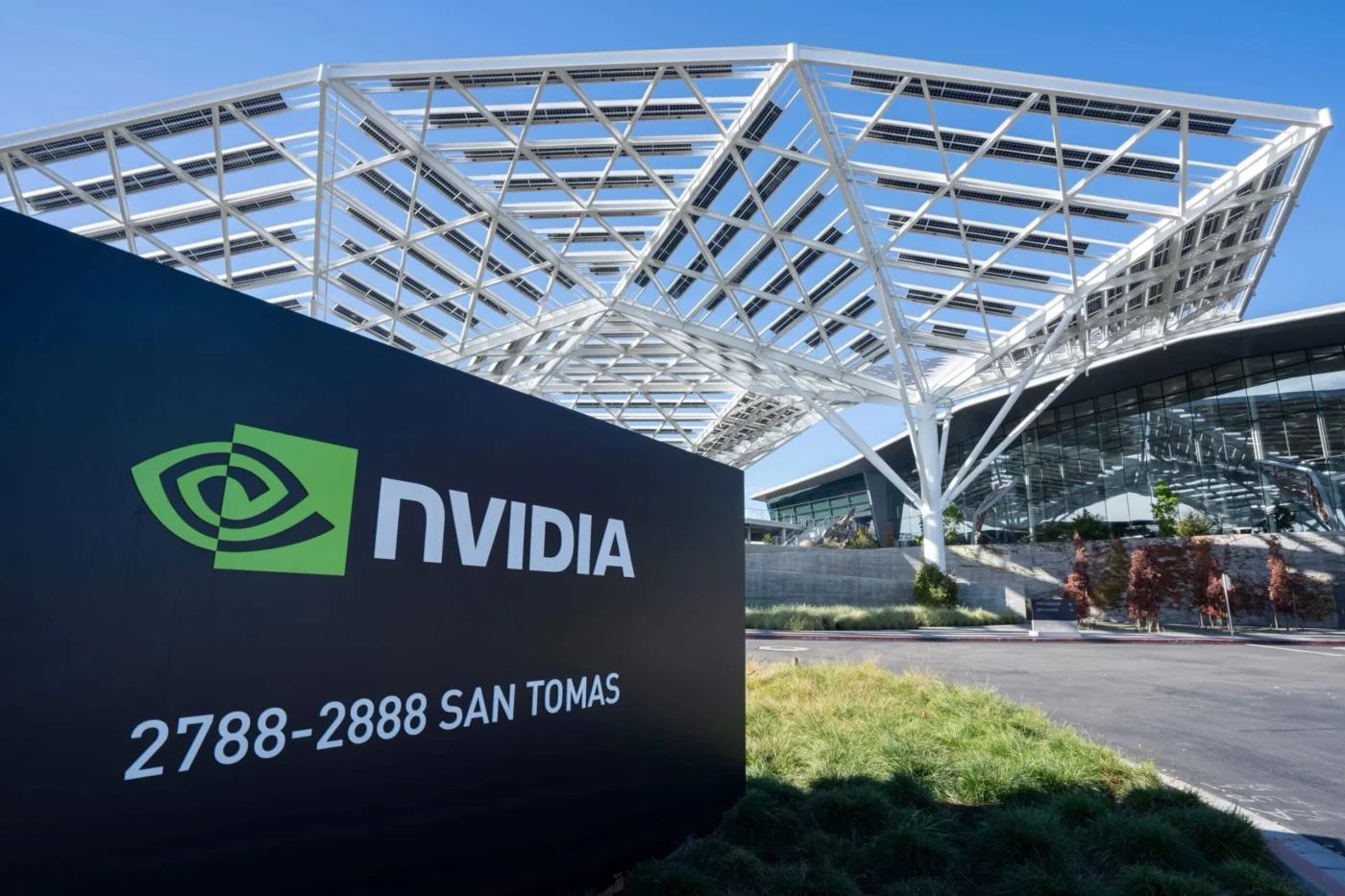
Shares of Nvidia (NVDA) declined toward the $225 level on October 12, retreating from the record $243.37 peak established on October 6. The stock weakened alongside the broader semiconductor sector as market participants weighed the financial burden of scaling artificial intelligence infrastructure.
The pullback came as Microsoft introduced a new processor, OpenAI revenue data sparked debate, and reports emerged of substantial borrowing plans to acquire AI hardware amid escalating data center expenses. Nvidia continues to dominate the data center chip market, though several large-scale customers are building proprietary alternatives.
Microsoft Launches Maia 300 Focused on Efficiency
Microsoft announced that its Maia 300 chip is engineered to generate 40% more tokens per megawatt compared to current leading GPU configurations. The company stated that a 96-accelerator rack configuration could achieve up to seven times the token throughput of the Maia 200 generation.
The company targets full-scale production deployment across Azure cloud infrastructure by 2027. These proprietary processors could lessen reliance on external chip vendors, though Nvidia GPUs continue to serve as the standard for AI training workloads and intensive computational tasks.

OpenAI Revenue Data Sparks Market Discussion
OpenAI’s annualized revenue totaled approximately $50 billion in September, according to a Reuters report, falling short of prior projections approaching $68 billion. Reuters noted that the variance stems in part from accounting methods for cloud partnership revenue. Annualized figures extrapolate current monthly performance over a full year.
The revenue conversation intensified existing worries about AI stock market concentration. Research showed that 42 AI-focused companies accounted for 67% of S&P 500 appreciation since the start of 2024. Market observers continue tracking whether infrastructure capital expenditures are converting into sustainable revenue streams.
Nvidia Explores Expanded Reflection AI Stake
Nvidia is evaluating the possibility of acquiring Reflection AI outright or increasing its current investment, the Financial Times reported. The chipmaker has committed approximately $800 million to the startup, which specializes in open-weight artificial intelligence models. Discussions remain at an early stage, with no binding agreement in place.
A full acquisition would diversify Nvidia’s operations beyond hardware manufacturing into AI software development. Such a move would also represent another significant capital allocation. Semiconductor equities have declined in tandem as investors evaluate customer capital spending roadmaps and financing strategies.
Financing Arrangements Refocus Attention on NVDA Stock
SpaceX is actively pursuing $40 billion in financing for Nvidia chips through a combination of credit facilities and bond issuance, Reuters reported. The financing proposal illustrates how AI infrastructure buyers are turning to debt markets to fund costly processors and data center construction. No final financing terms have been disclosed.
NVDA stock hovered near $226 on Monday after dipping below $225 during another session of losses. The October record high serves as a key benchmark for market participants tracking AI procurement activity, capital expenditure trends, and the pace at which customers adopt alternative processor architectures.
Get 3 Free Stock Ebooks
Discover top-performing stocks in AI, Crypto, and Technology with expert analysis.
- Top 10 AI Stocks - Leading AI companies
- Top 10 Crypto Stocks - Blockchain leaders
- Top 10 Tech Stocks - Tech giants



