


Key Takeaways
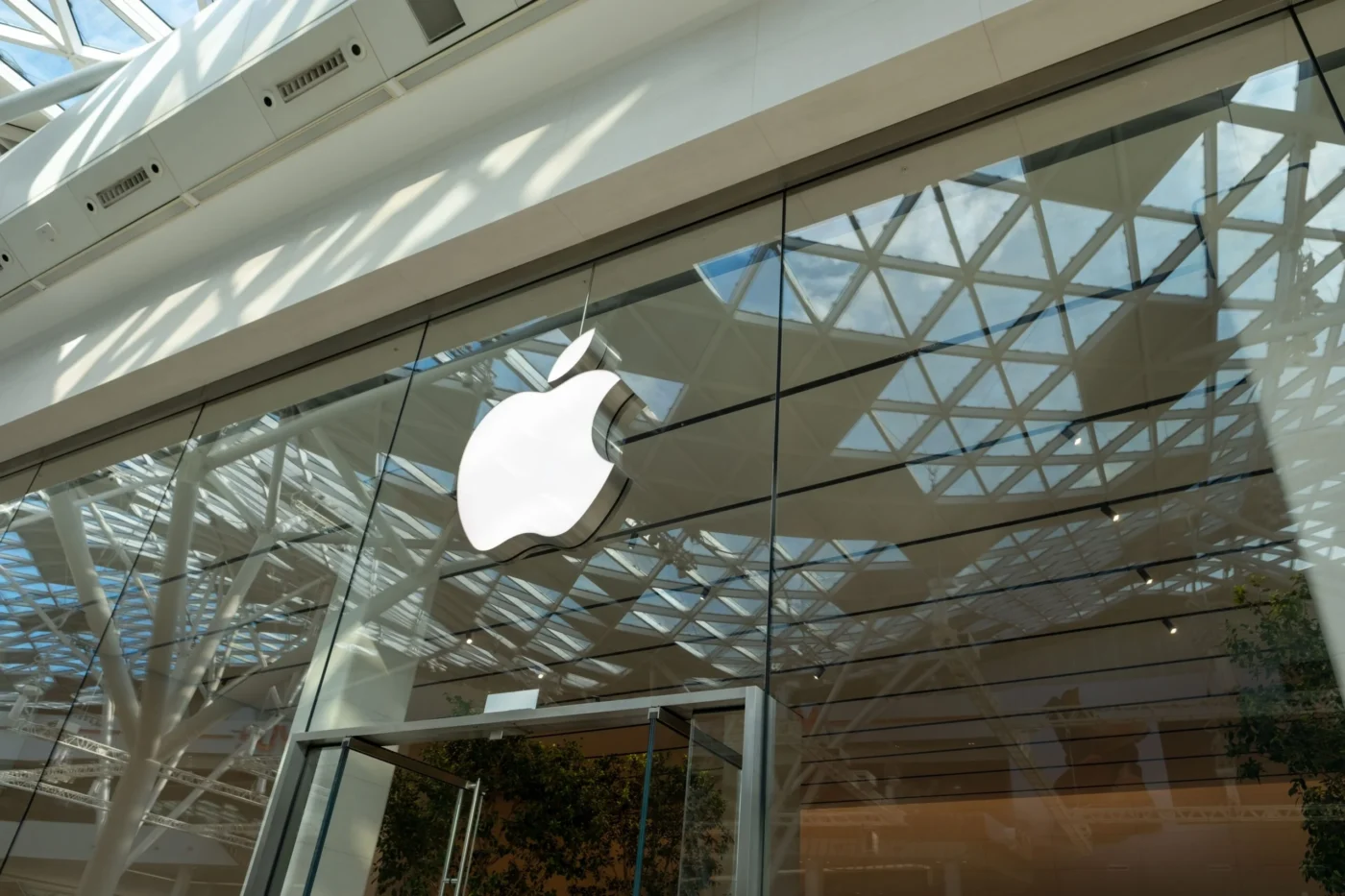
- Shares of Apple (AAPL) declined 2% to $332.22 following a Bank of America warning about competitive risks from AI-powered agents.
- Bank of America’s Wamsi Mohan highlighted Meta’s Muse application as a potential threat to Apple’s mobile commerce ecosystem and services income.
- Meta’s Muse debuted on September 8, accumulating 2.5 million users within 14 days and claiming the #1 spot on the US iOS free app rankings.
- Major commerce platforms including Shopify, Expedia, and PayPal have integrated with Muse, though Amazon has opted to block the service.
- Despite concerns, Mohan maintained his Buy recommendation on Apple with a $370 target price, pointing to its dedicated customer base and privacy credentials.
Shares of Apple stock fell 2% during Tuesday’s trading session, settling at $332.22, following a research note from Bank of America that highlighted potential risks from AI agent technology to the company’s high-margin revenue streams.
While the tech giant’s shares remain up 22% year-to-date, BofA’s Wamsi Mohan is flagging a different breed of competitive threat—one that could potentially bypass the iPhone ecosystem entirely.
The focus of concern is Meta’s Muse platform. This agentic artificial intelligence application debuted on September 8 and attracted 2.5 million downloads within its initial 14-day window.
The app rapidly climbed to the number one position among free iOS applications in the United States. Muse enables users to arrange travel, execute purchases, and handle various tasks through simple prompts, eliminating the need to launch individual applications.

According to Mohan, the significance lies in the economics. Control over the AI agent means control over the transaction flow, representing a fundamental shift away from traditional operating system dominance.
“Whomever the agent chooses becomes the merchant, and whoever owns the agent collects the routing economics that previously accrued to operating systems, search, and app stores,” Mohan wrote.
Commerce Platforms Rush to Partner With Muse
Muse extends beyond basic chatbot functionality. The application can launch browsers, populate forms, and continue operating after users exit the app.
Multiple major e-commerce platforms have already established partnerships. Shopify granted Muse integration with its complete product inventory and Shop Pay infrastructure, while Expedia and PayPal joined to enable travel reservations and transaction processing.
Amazon represents a notable exception. The e-commerce giant has prevented Muse from accessing its platform, a decision that BofA interprets as validation of the competitive threat this technology poses.
Apple hasn’t remained idle. The company released its redesigned Siri with iOS 27 on September 14, merely six days following Muse’s market entry, powered by customized Google Gemini models.
Apple’s Competitive Gaps
Despite the upgrade, Mohan argues that Siri currently lacks continuous background task execution and an integrated payment infrastructure comparable to Muse’s capabilities. He emphasizes that iPhone hardware specifications aren’t limiting factors, as the devices exceed Muse’s technical requirements.
The fundamental challenge centers on development velocity. Apple delivers major software releases annually, while competing AI agents improve through near-continuous updates.
“Agents are accelerating innovation cycles, and Apple needs to ensure that its teams around services, silicon, payments, privacy etc. are integrating with Siri AI and moving at a pace to match innovation at competitors,” Mohan wrote.
Notwithstanding these concerns, Bank of America maintained its Buy rating on Apple stock alongside a $370 price objective. Mohan emphasized Apple’s substantial and devoted customer base, combined with its privacy-centric architecture, as meaningful competitive advantages that Meta cannot easily replicate.
Financial analysts will be monitoring whether Shopify, Expedia, and PayPal begin disclosing measurable transaction volumes flowing through Muse. Such metrics would provide concrete evidence of whether Apple is genuinely losing market position or simply contending with competitive speculation.
Compounding the competitive dynamics, OpenAI was scheduled to unveil its own consumer-facing AI agent platform on the same date as this analyst report.
Get 3 Free Stock Ebooks
Discover top-performing stocks in AI, Crypto, and Technology with expert analysis.
- Top 10 AI Stocks - Leading AI companies
- Top 10 Crypto Stocks - Blockchain leaders
- Top 10 Tech Stocks - Tech giants



