


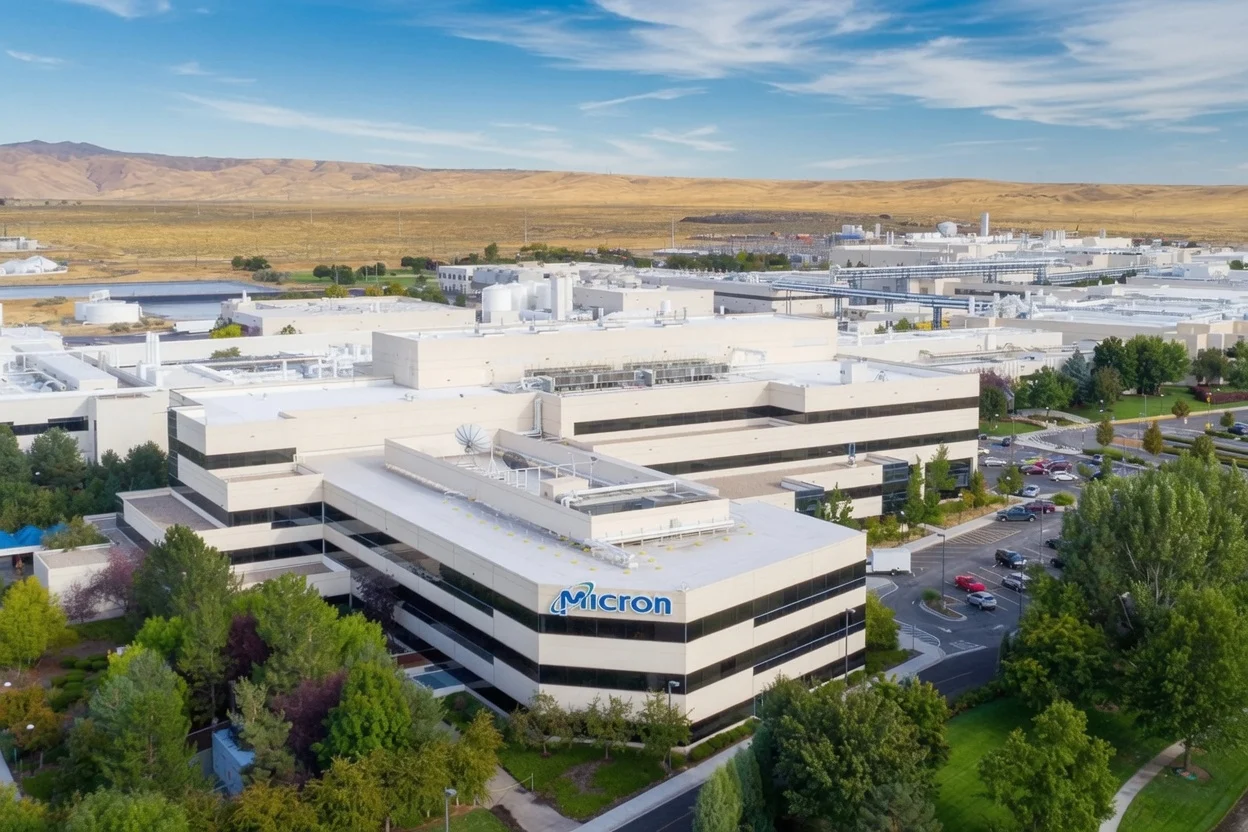
Key Points
- On September 29, 2026, Netlist submitted a fresh complaint to the US International Trade Commission against Micron memory technology.
- The filing alleges patent violations involving Micron chips integrated into products manufactured by Google, Nvidia, and Broadcom, specifically concerning two high bandwidth memory patents held by Netlist.
- The complaint seeks an import prohibition on Micron DRAM components and associated AI infrastructure including GPUs and servers.
- In 2024, Netlist secured a $445 million judgment against Micron in Texas federal court.
- Following $421 million in earlier court victories, Netlist reached a patent settlement with Samsung in August 2026.
Netlist has escalated its legal action against Micron Technology through a new filing with the US International Trade Commission this week. The computer memory specialist is challenging the importation of Micron’s memory technology.
The filing specifically challenges memory components manufactured by Micron that power AI computing systems distributed by Google, Nvidia, and Broadcom.
Initially submitted under confidential seal on Friday, September 25, Netlist made its complaint publicly accessible on Tuesday, September 29.
The Core of Netlist’s Allegations
According to Netlist, Micron has violated two proprietary patents related to high bandwidth memory technology.
This memory technology enables faster data transmission between computer components and serves as a critical element in AI infrastructure deployed by major technology corporations.
The company is petitioning the trade commission to halt imports of Micron’s DRAM products. DRAM, or dynamic random access memory, represents a standard component in modern computing systems.

Beyond individual memory chips, Netlist seeks to extend the import ban to encompass graphics processing units, server systems, and additional hardware products. These items, manufactured by Google, Nvidia, and Broadcom, allegedly incorporate the contested Micron technology.
Representatives from Micron, Google, Nvidia, and Broadcom remained silent when contacted for comment on Tuesday.
In an official statement, Netlist CEO C.K. Hong emphasized the company’s extensive investment in memory technology development now integral to AI infrastructure.
Hong characterized the legal filing as a necessary step to safeguard the company’s intellectual property against unlicensed usage.
Netlist’s Ongoing Patent Campaign
The current action represents the latest installment in a protracted legal battle between Netlist and Micron. A Texas federal jury in Marshall awarded Netlist $445 million in 2024 following a patent infringement trial against Micron.
Netlist initiated another trade commission complaint against Micron in August 2026, centered on memory technology incorporated into systems from Super Micro Computer, Hewlett Packard Enterprise, and Lenovo.
Samsung has also faced patent challenges from Netlist. The companies reached a settlement agreement in August 2026 over memory patent disagreements.
This resolution followed Netlist’s successful prosecution of patent claims worth a total of $421 million against the South Korean electronics manufacturer in the Texas venue.
The latest filing represents a continuation of Netlist’s aggressive intellectual property enforcement strategy. It simultaneously intensifies scrutiny on Micron, which provides memory components for several leading players in the AI computing sector.
The International Trade Commission will now examine the case. No official timeline for a determination has been disclosed.
Get 3 Free Stock Ebooks
Discover top-performing stocks in AI, Crypto, and Technology with expert analysis.
- Top 10 AI Stocks - Leading AI companies
- Top 10 Crypto Stocks - Blockchain leaders
- Top 10 Tech Stocks - Tech giants



