


Key Points
- The CFTC has revised its guidance regarding tokenized assets and distributed ledger recordkeeping for registered digital asset firms.
- The revised framework permits licensed entities to allocate client funds into tokenized asset representations under specific conditions.
- This development follows the Senate’s recent failure to pass the CLARITY Act, legislation designed to establish crypto market structure.
- Both the SEC and CFTC are proceeding to develop digital asset regulations using their current statutory powers.
- State-level legal authorities have voiced concerns that federal legislation would diminish their securities oversight capabilities.
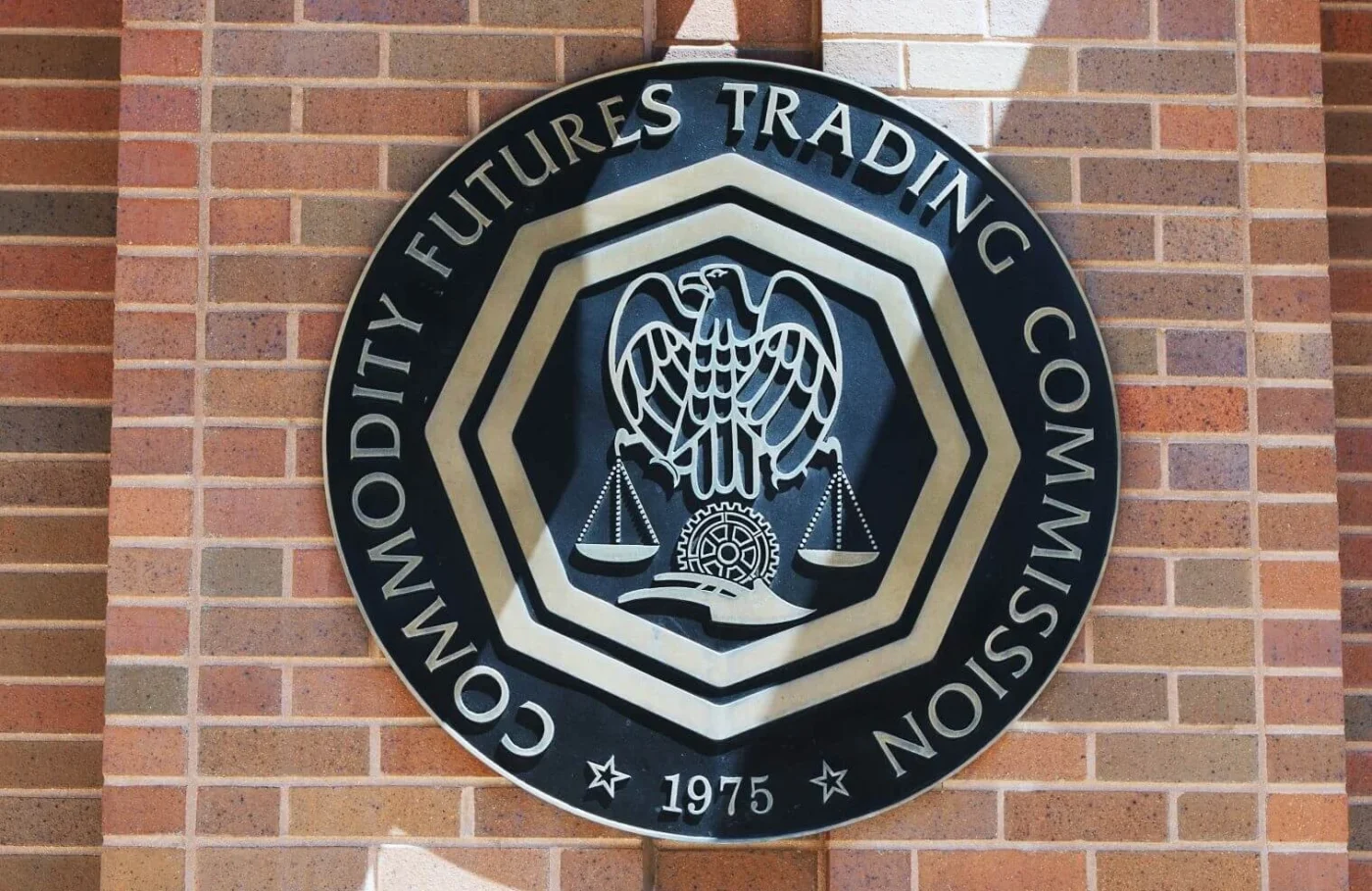
The Commodity Futures Trading Commission has revised its policy framework regarding tokenized assets and distributed ledger technology for recordkeeping purposes. This regulatory update was announced through an official notice released Thursday.
The revised guidance targets registered entities operating in the digital asset space. It builds upon the initial framework that the CFTC introduced back in March.
According to the updated framework, qualified firms may now allocate client capital into tokenized representations of assets. This permission applies when the tokenized format provides holders with equivalent legal standing and economic benefits as the conventional version of the same asset.
The commission also indicated it would not challenge firms utilizing distributed ledger technology for recordkeeping purposes under these revised parameters. CFTC Chairman Michael Selig stated that these modifications aim to provide the digital asset sector with enhanced regulatory transparency.
Legislative Setback Prompted Regulatory Action
This guidance update emerged shortly after the United States Senate was unable to move forward with the Digital Asset Market Clarity Act. The proposed legislation aimed to define the respective oversight responsibilities of the CFTC and the Securities and Exchange Commission regarding digital assets.
Following the vote’s collapse, industry observers widely anticipate that Congress will not enact comprehensive crypto market structure legislation until at least 2027. This legislative vacuum has prompted regulatory agencies to develop their own frameworks rather than awaiting congressional direction.

The CFTC has already submitted a digital asset market oversight proposal to the White House for evaluation. The SEC has similarly been proactive. Shortly following the unsuccessful vote, the SEC released an order establishing a provisional framework for trading tokenized securities.
SEC Chairman Paul Atkins indicated prior to the vote that his agency stood prepared to introduce digital asset regulations independently of congressional action. The commission has also put forward rules addressing specific investment contracts that involve crypto assets.
Stakeholder and Government Responses
Digital asset industry leaders had advocated for the CLARITY Act’s passage and expressed disappointment at its failure. Following an earlier unsuccessful procedural vote, Coinbase CEO Brian Armstrong remarked that the sector could no longer afford to wait on congressional action.
Summer Mersinger, who leads the Blockchain Association and previously served as a CFTC commissioner, emphasized that regulatory clarity would attract greater capital investment. She suggested it would facilitate deeper integration between digital assets and conventional financial systems.
Opposition to the legislation exists among certain government officials. A cross-party coalition of state attorneys general submitted correspondence to the Senate Banking Committee expressing opposition to the CLARITY Act. Their concern centered on the bill potentially stripping states of their securities market oversight authority.
The state legal officers argued that maintaining state-level authority is essential for protecting citizens from fraudulent schemes. Aaron Klein from the Brookings Institution expressed his view that capital market oversight belongs at the federal tier. He suggested states are more appropriately positioned for addressing fraud prosecution and enforcement.
Mersinger countered that state-level enforcement generally occurs following criminal activity. She maintained that federal supervision is necessary to establish preventive safeguards.
The CLARITY Act may retain a path forward. Senator Thom Tillis switched his position to vote against the measure. This procedural maneuver preserves his option to file a motion for reconsideration of the bill at a future date.
Meanwhile, federal regulatory bodies continue advancing their own initiatives using existing statutory authority, declining to wait for legislative action from Congress.
Get 3 Free Stock Ebooks
Discover top-performing stocks in AI, Crypto, and Technology with expert analysis.
- Top 10 AI Stocks - Leading AI companies
- Top 10 Crypto Stocks - Blockchain leaders
- Top 10 Tech Stocks - Tech giants



