


Key Takeaways
- Senate rejected the CLARITY Act with a 49-50 vote on Tuesday, missing the required 60-vote threshold
- SEC Chair Paul Atkins committed to “decisive” action through current regulatory powers, regardless of legislative outcome
- CFTC Chair Mike Selig announced his agency is prepared to implement cryptocurrency regulations immediately
- Financial analysts at Bernstein anticipate rapid and forceful regulatory action from both organizations
- JPMorgan warned that agency-drafted regulations lack the permanence of congressional legislation and face potential court challenges
On Tuesday, the US Senate rejected the Digital Asset Market Clarity Act with a 49-50 vote, significantly missing the 60-vote requirement needed for advancement. Had it passed, the legislation would have established America’s inaugural federal regulatory structure for cryptocurrency markets.
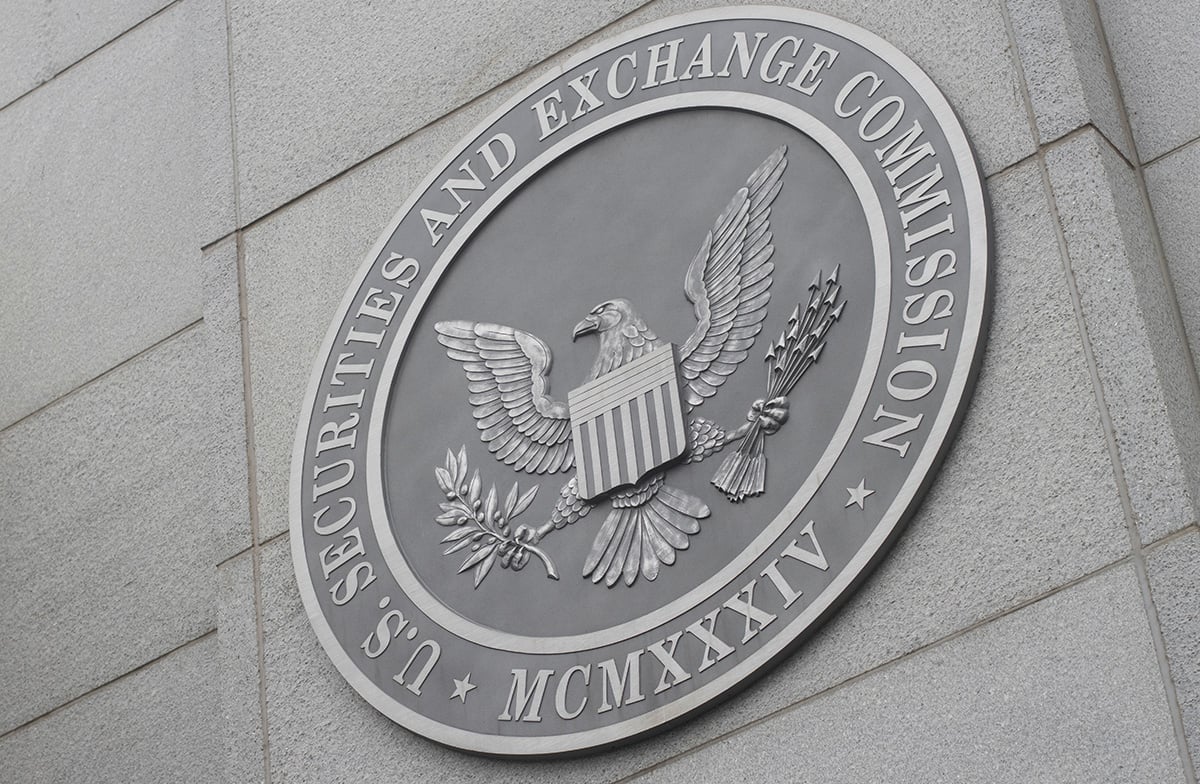
In response to the failed vote, leadership at both the Securities and Exchange Commission and Commodity Futures Trading Commission announced their intention to proceed with rulemaking under current statutory powers.
Paul Atkins, SEC Chair, stated the commission would “act decisively within the SEC’s statutory authority to deliver certainty for American investors.” Meanwhile, CFTC Chair Mike Selig declared his organization is “locked in and ready to ship its rules for the new frontier of finance.”
Brian Armstrong, Coinbase’s CEO, offered a succinct reaction on X: “The CFTC and SEC are stepping up. Go time.”
Behind the Legislative Defeat
Democratic senators predominantly voted against the measure, citing worries about President Trump’s cryptocurrency holdings and questioning the bill’s ethics safeguards. When Republicans turned down a Democratic alternative proposal, hopes for compromise evaporated.
An aide from the Republican Senate delegation told The Block the legislation appears finished. While Senator Thom Tillis expressed continued optimism about potential progress, Bernstein’s analytical team dismissed the possibility of another vote, pointing to the compressed timeline before November’s midterm elections.

According to Bernstein, the bill’s failure eliminates what they characterized as an ironclad safeguard protecting the crypto sector from future regulatory reversals tied to political transitions.
Expected Regulatory Framework
In a Wednesday research note, Bernstein analysts detailed their predictions for forthcoming agency regulations. Anticipated measures include classification frameworks for token capital raises, liability protections for developers working on decentralized finance platforms and non-custodial protocols, plus regulatory exemptions designed to encourage equity tokenization innovation.
Additional expectations include expedited approval processes for real-world asset perpetual futures products and modifications to regulations governing federal sports betting contracts.
The SEC had already previewed this approach on August 19 by proposing new regulations establishing what it described as a “clear and fit-for-purpose framework” governing cryptocurrency investment contracts.
Under the proposed framework, businesses could issue tokens worth up to $5 million across four years, or alternatively up to $75 million within a 12-month period. A safe harbor mechanism would protect specific cryptocurrencies from investment contract classification.
Atkins had foreshadowed this regulatory strategy earlier. During a July 27 CNBC interview, he indicated the SEC stood “ready, willing, and able to come out with rules” should the Senate fail to approve the CLARITY Act.
While JPMorgan analysts concurred that both agencies would likely move swiftly, they emphasized that agency-authored regulations present greater vulnerability than congressional legislation. Such rules remain susceptible to reversal by subsequent administrations and face potential judicial challenges.
America’s cryptocurrency regulatory landscape now pivots from Capitol Hill to federal regulatory agencies, at least for the foreseeable future.
Get 3 Free Stock Ebooks
Discover top-performing stocks in AI, Crypto, and Technology with expert analysis.
- Top 10 AI Stocks - Leading AI companies
- Top 10 Crypto Stocks - Blockchain leaders
- Top 10 Tech Stocks - Tech giants



