


Key Takeaways
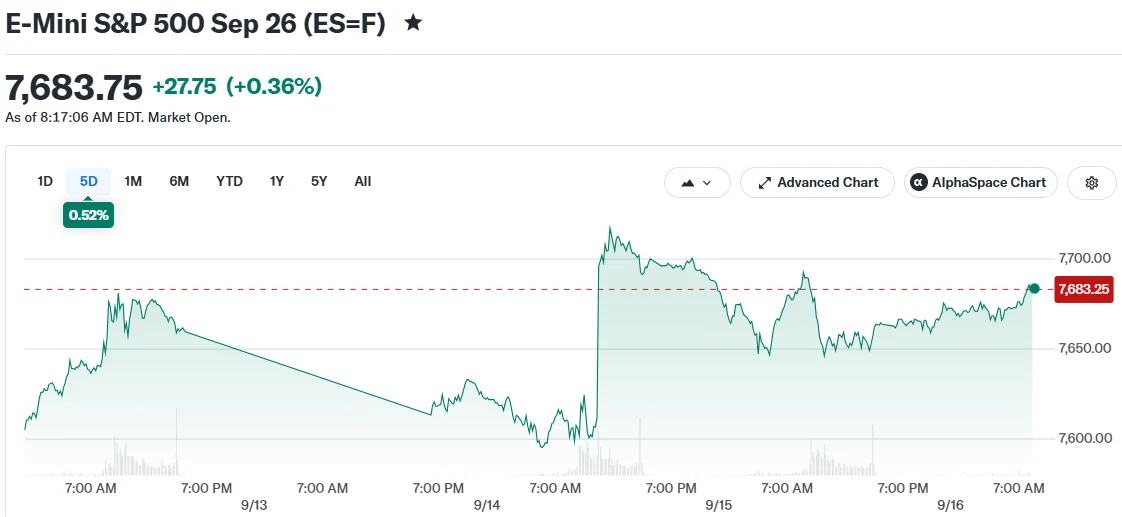
- Equity futures showed gains in early Wednesday trading, with the S&P 500 advancing 0.2% and the Nasdaq climbing 0.4% before the opening bell
- Markets anticipate the Federal Reserve will raise borrowing costs for the first time since the previous tightening cycle, with CME Group data showing 92% probability
- Cryptocurrency markets weakened as Bitcoin fell 2% toward $75,000 following the Senate’s rejection of the Clarity Act regulatory proposal
- Crude oil prices retreated Wednesday morning after Tuesday’s sharp rally driven by Middle Eastern supply disruption concerns
- Treasury yields reached post-financial crisis peaks, creating headwinds for equity valuations
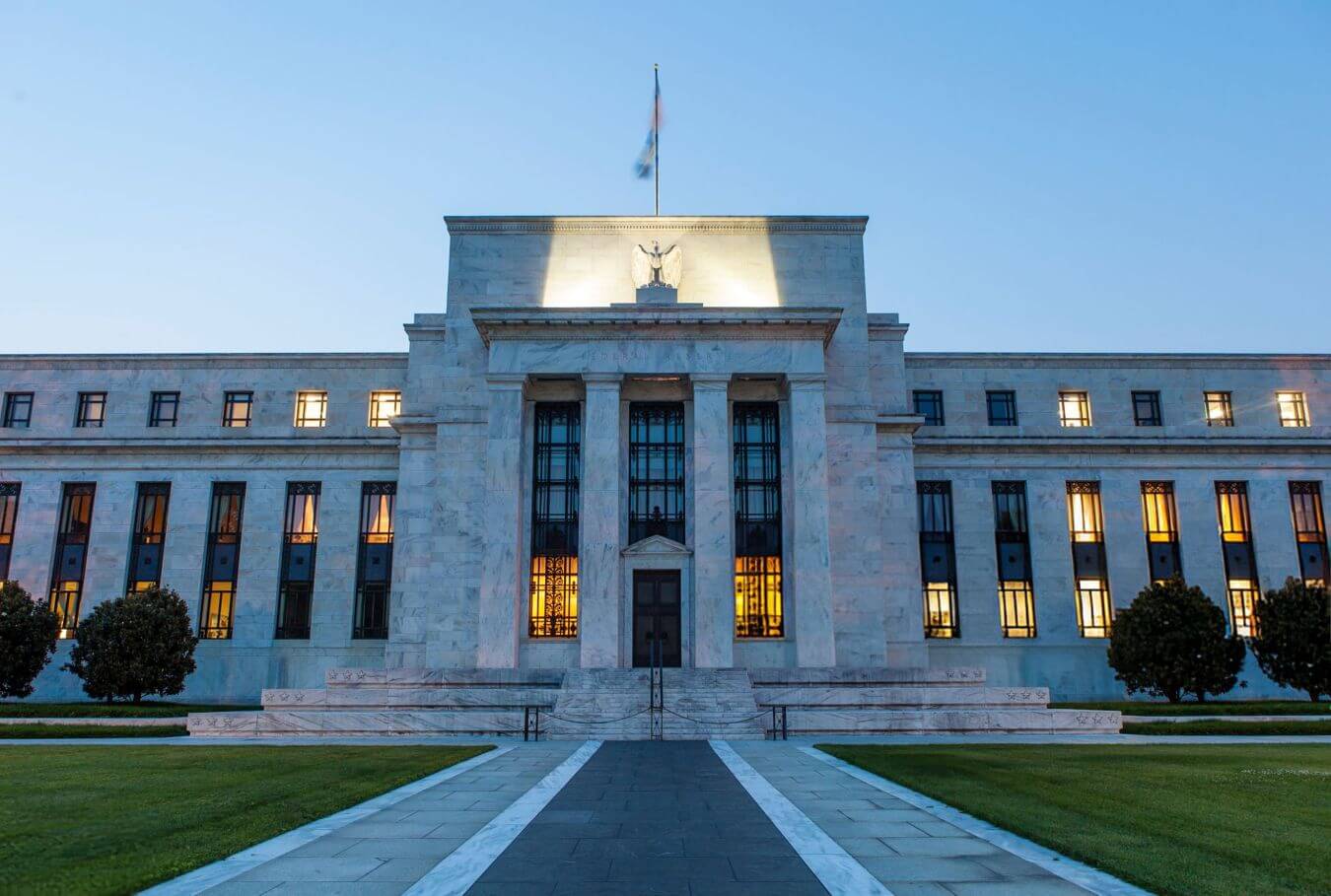
US stock futures showed positive momentum during Wednesday’s pre-market session as market participants recovered from the previous day’s declines and prepared for a crucial Federal Reserve monetary policy announcement.
Futures tracking the S&P 500 climbed 0.2%, while Nasdaq 100 contracts increased 0.4%. Dow Jones Industrial Average futures posted gains of approximately 101 points, representing a 0.2% advance.
The previous trading session ended with losses across major indices as energy prices jumped to multi-month peaks. Market anxiety centered on potential interruptions to Saudi Arabian oil exports due to Houthi militia activity in Yemen.
Energy markets showed relief on Wednesday. Brent crude contracts declined 0.6% to reach $108.13 per barrel, while West Texas Intermediate decreased 1.1% to $104.66 per barrel. This commodity pullback provided support for equity futures.
Central Bank Policy Decision Takes Center Stage
Market attention Wednesday centers squarely on the Federal Reserve’s monetary policy determination. Trading data indicates overwhelming expectations for the central bank to implement its first interest rate increase in over three years, with CME Group futures markets reflecting a 92% likelihood.

The benchmark 10-year Treasury note yield has already advanced to levels not witnessed since the 2008 financial crisis, creating valuation challenges for equities and intensifying scrutiny on Fed officials.
Market observers suggest the central bank must maintain its course. Brent Wilsey, who serves as chief investment officer at Wilsey Asset Management, cautioned that maintaining current rates could “damage the Fed’s credibility, and reignite concerns that the central bank is caving to political pressure.”
Former President Trump has consistently advocated for reduced interest rates, potentially creating friction with the Fed if Chairman Kevin Warsh proceeds with monetary tightening.
Market participants will scrutinize the Fed’s updated economic projections and Chairman Warsh’s post-meeting commentary for insights into future policy direction.
Digital Assets Retreat Following Legislative Setback
Bitcoin experienced a roughly 2% decline to approximately $75,000 after the United States Senate rejected a procedural motion on the Clarity Act, proposed legislation designed to establish regulatory guidelines for digital asset markets.
The legislative failure injected additional uncertainty into cryptocurrency markets, which were already experiencing downward pressure amid broader risk aversion across financial markets.
Economic calendar items include August retail sales figures, which economists anticipate will demonstrate improved consumer spending. Meanwhile, the National Association of Home Builders’ sentiment index is projected to weaken as mortgage financing costs remain high.
Financial markets and digital assets enter Wednesday’s session with significant stakes attached to the Federal Reserve’s determination. The convergence of elevated yields, persistent inflation, high energy costs, and regulatory obstacles for cryptocurrencies makes this among the most scrutinized central bank meetings in recent memory.
Market observers will parse Chairman Warsh’s commentary with equal attention to the policy decision itself.
Get 3 Free Stock Ebooks
Discover top-performing stocks in AI, Crypto, and Technology with expert analysis.
- Top 10 AI Stocks - Leading AI companies
- Top 10 Crypto Stocks - Blockchain leaders
- Top 10 Tech Stocks - Tech giants



