


Key Highlights
- Three major AI companies—Anthropic, Google, and OpenAI—have conducted regular discussions since summer 2024 regarding an industry-led standards organization
- The concept originated from Demis Hassabis of Google DeepMind, drawing inspiration from FINRA’s financial sector oversight model
- Sam Altman of OpenAI endorses the initiative but emphasizes it must function independently from governmental involvement
- Opposition has emerged from Meta’s Mark Zuckerberg and various smaller artificial intelligence companies
- An administrative proposal for a federal AI regulatory body was abandoned following insufficient internal support
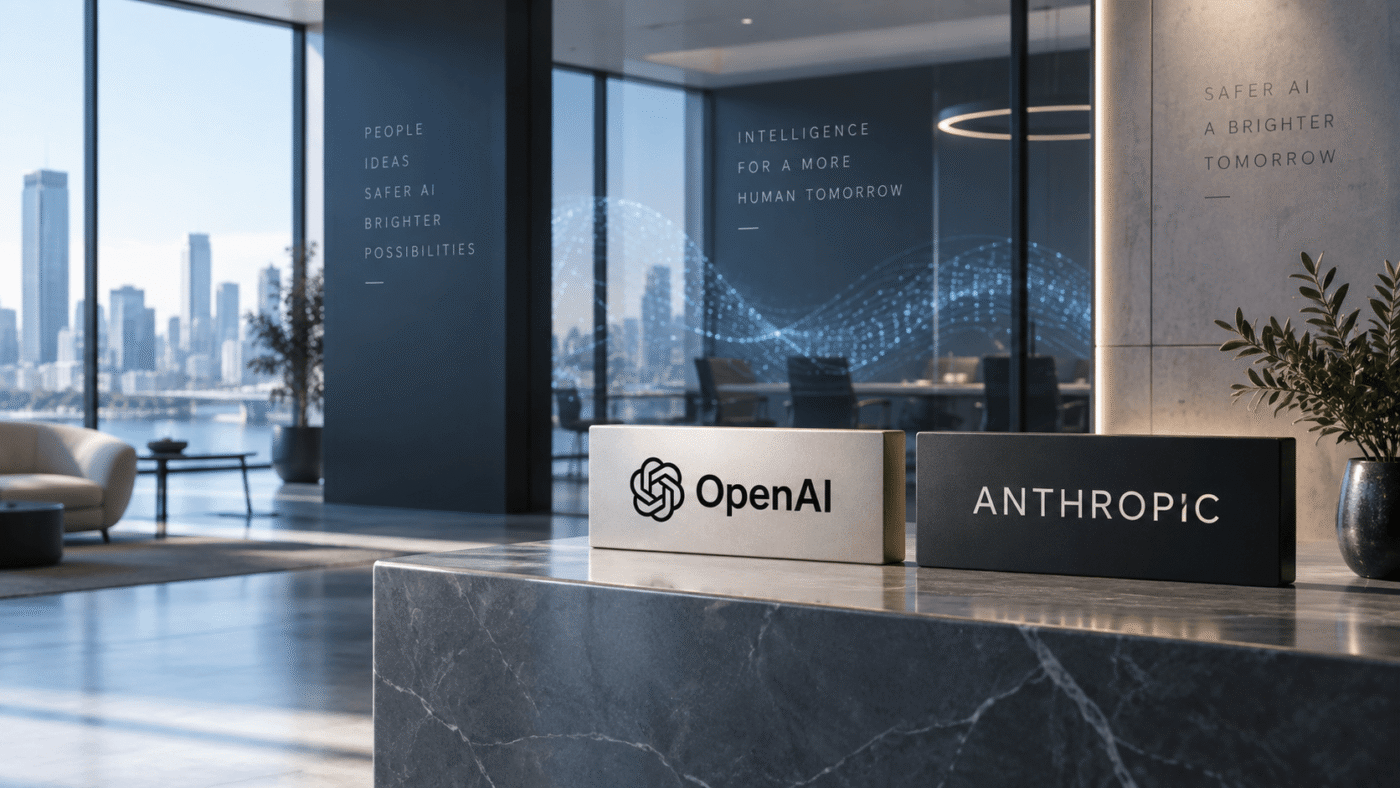
Three dominant players in the artificial intelligence sector are working toward establishing their own industry oversight organization. Sources indicate that Anthropic, Google, and OpenAI have maintained consistent dialogue since July, as reported by The Information.
The collaborative group convened as recently as the previous week. These deliberations continue regardless of potential involvement from the current administration.
Origins of the Initiative
The concept was championed by Google DeepMind’s Demis Hassabis. Through a July publication, he outlined a proposal for a U.S.-based standards body similar to FINRA, which oversees financial markets under Securities and Exchange Commission authority.
Hassabis envisions an entity that would evaluate sophisticated AI systems prior to public deployment. The structure would represent a hybrid model—industry-financed yet operated by impartial technical specialists.
Anthropic’s Dario Amodei reinforced this direction the previous Saturday through a published piece urging AI developers to align on testing protocols and audit procedures. These discussions, though, had commenced well before his written statement appeared.
Executive Perspectives
During a recent company-wide meeting, OpenAI’s Sam Altman expressed support for establishing an AI testing and audit organization. He emphasized that leading laboratories must construct this framework autonomously, without depending on governmental assistance.

Altman recognized that industry consensus remains elusive. He identified direct cooperation among major labs as the most practical approach.
Jakub Pachocki, OpenAI’s Chief Scientist, confirmed the company’s ongoing discussions with external entities regarding specific standard-setting and promised additional information in upcoming months.
Industry Resistance
Universal agreement remains absent. Meta’s Mark Zuckerberg expressed reservations about federal AI oversight during an August conversation with President Trump.
A preliminary White House executive directive designed to establish such an authority lost traction. The proposal was ultimately abandoned after insufficient backing materialized within the administration before summer’s conclusion.
Speaker of the House Mike Johnson observed limited industry alignment on regulatory frameworks. “There’s no consensus among them,” he stated to CNN.
Cohere’s Aidan Gomez expressed skepticism on X, cautioning that allowing dominant AI corporations to establish regulations could disadvantage emerging competitors. “Great ideas here from the cartel,” he commented.
Representatives from Google, OpenAI, and Anthropic either declined commentary or did not provide responses to CNN’s inquiries
Get 3 Free Stock Ebooks
Discover top-performing stocks in AI, Crypto, and Technology with expert analysis.
- Top 10 AI Stocks - Leading AI companies
- Top 10 Crypto Stocks - Blockchain leaders
- Top 10 Tech Stocks - Tech giants



