


Key Highlights
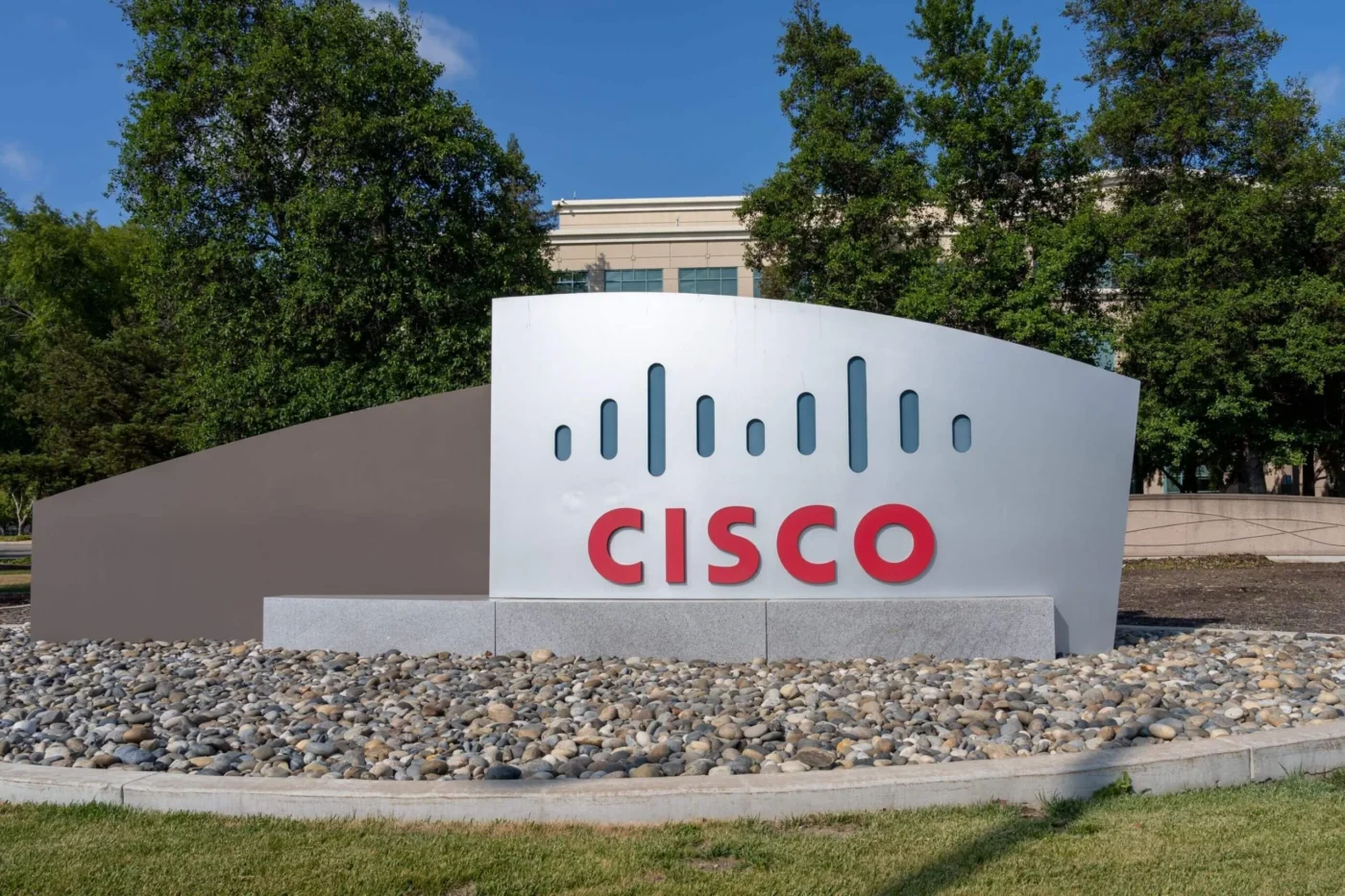
- Infleqtion and Cisco have joined forces in a research partnership aimed at building interconnected quantum computing networks
- The collaboration merges Cisco’s networking infrastructure expertise with Infleqtion’s neutral-atom quantum technology
- The initiative focuses on three core areas: distributed quantum sensing and computing, quantum memory with optical transduction, and network-optimized quantum software
- Cisco has introduced its Universal Quantum Switch prototype, engineered to facilitate quantum information routing
- The partnership aims to transform quantum computing from isolated systems into interconnected, scalable networks
In a strategic move to advance quantum technology, Cisco and Infleqtion have unveiled a collaborative research initiative designed to create interconnected networks of quantum computers and sensors. This partnership merges complementary expertise from both organizations to address a critical obstacle in quantum computing: enabling seamless communication between independent quantum devices.
Colorado-based Infleqtion, headquartered in Louisville, focuses on quantum sensing and computing platforms built on neutral-atom architecture. Cisco contributes its extensive networking capabilities along with its quantum research division, Cisco Quantum Labs.
The Critical Role of Quantum Networking
Currently, quantum computing systems function primarily as independent units. This collaboration aims to demonstrate that linking multiple quantum platforms could dramatically expand computational capabilities, mirroring how the internet transformed isolated computers into an interconnected global infrastructure.
“The next transformative leap in quantum technology won’t emerge from constructing larger standalone systems, but from interconnecting them into networks,” stated Ramana Kompella, VP and Head of Cisco Research.
Pranav Gokhale, who serves as Chief Technology Officer at Infleqtion, reinforced this perspective. He emphasized that realizing quantum computing’s full potential will necessitate multiple quantum systems operating in concert.
The neutral-atom approach employed by Infleqtion offers a natural advantage for networking applications, as these atoms inherently interact with photons. Since photons serve as light particles that transmit information through networks, neutral-atom platforms are particularly well-positioned for quantum network integration.
Three Strategic Research Pillars
The partnership will concentrate on three distinct research domains. Initially, they’ll investigate methods for transferring data between distributed quantum sensors and computational nodes. Subsequently, the teams will develop quantum memory solutions and optical transduction capabilities, which enable the transformation of quantum states into signals compatible with optical network transmission. Finally, they’ll create network-intelligent software capable of orchestrating workloads across interconnected quantum platforms.

Cisco has unveiled its Universal Quantum Switch, a functional research prototype designed to direct quantum information between systems while maintaining its integrity. According to Cisco, the device incorporates a conversion engine essential for establishing interoperable quantum networks.
The ultimate objective involves creating a comprehensive quantum networking framework capable of distributing quantum entanglement on-demand throughout connected devices. This infrastructure would enable quantum computers, sensors, and related devices to exchange information dependably across networked environments.
Cisco’s architectural approach is being engineered for compatibility with various quantum hardware platforms, extending beyond neutral-atom systems. This adaptable design strategy aims to ensure widespread network compatibility.
The partnership announcement came on Thursday, September 10, 2026. Neither company revealed specific financial details of the arrangement.
Representatives from both organizations characterize this initiative as a foundational yet significant milestone toward realizing practical distributed quantum computing systems.
Get 3 Free Stock Ebooks
Discover top-performing stocks in AI, Crypto, and Technology with expert analysis.
- Top 10 AI Stocks - Leading AI companies
- Top 10 Crypto Stocks - Blockchain leaders
- Top 10 Tech Stocks - Tech giants



