


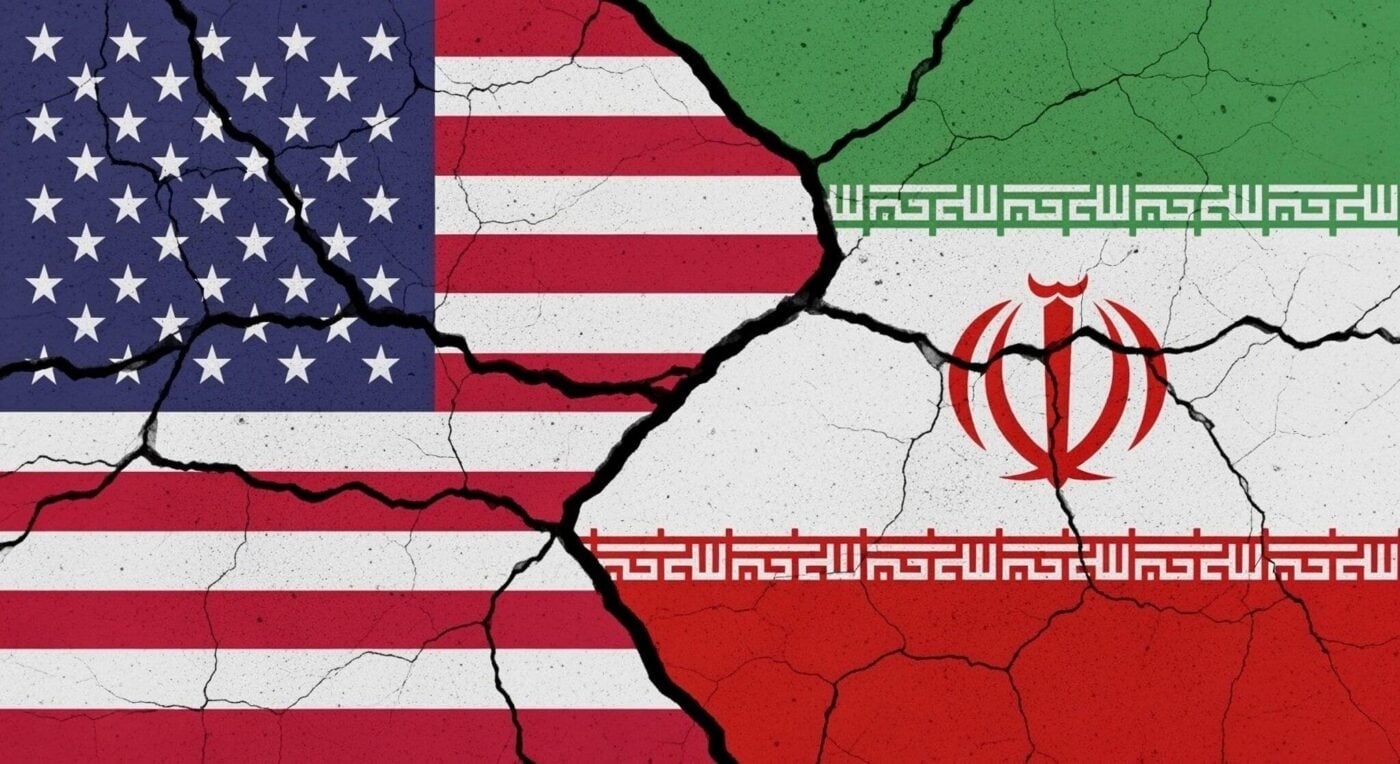
TLDR
- White House officials are working to de-escalate the Iran conflict ahead of the November 3 midterm elections
- New Iranian missile and drone attacks targeted American installations in Kuwait during the night
- Public support for military action stands at just 31%, with energy costs driving voter frustration
- Pentagon faces critical shortages of specific precision-guided munitions
- Energy markets reacted to renewed attacks as Strait of Hormuz blockade continues
Senior officials in the Trump administration are working to dial down the U.S.-Iran conflict ahead of the upcoming midterm elections, though new attacks during the night have complicated these strategy efforts.
Reuters spoke with four sources knowledgeable about internal deliberations, who revealed that administration leadership wants to minimize the conflict’s visibility before voters head to the polls on November 3. Three sources hold positions within the White House itself. The objective centers on preventing the widely criticized military engagement from overshadowing election coverage as Republicans battle to preserve narrow congressional margins.
A Reuters/Ipsos survey conducted in late August found that merely 31% of the American public supports the military action. Opposition stands at 63%. Economic anxieties, particularly regarding fuel costs stemming from interrupted maritime oil transportation, dominate voter concerns.
Iran Strikes Back
This de-escalation effort faced immediate challenges when Iranian forces launched coordinated missile and drone operations against American military facilities in Kuwait early Thursday morning. Kuwait’s military confirmed its defense systems engaged “hostile targets” in the nation’s airspace.
Pentagon officials characterized recent American strikes as proportional responses to assaults on U.S. personnel and commercial shipping throughout the region. During the previous weekend, American forces targeted rocket positions on Iran’s Larak Island. Tehran responded by launching missiles toward Jordanian and Emirati territory.
Writing on Truth Social, Trump cautioned that Iranian retaliation would provoke strikes “at a much harder and higher level.”

The conflict has now exceeded six months in duration, far surpassing Trump’s original projection of four to six weeks.
Military Resources Running Low
A temporary halt in combat operations would provide crucial time for American forces to replenish depleted arsenals. Reuters revealed in August that the military had consumed “virtually all” available stocks of certain precision-guided weapons systems.
According to The Washington Post, the service chiefs of the Army, Navy, and Air Force submitted formal written warnings to Defense Secretary Pete Hegseth stating that continuing the conflict at current intensity levels was operationally untenable.
Defense Department spokespersons have rejected these concerns, maintaining that armed forces possess “everything it needs to execute” assigned operations.
Economic Pressure Campaign
As kinetic options become constrained, administration officials have pivoted toward economic warfare tactics. Washington has announced sweeping sanctions against any nation maintaining commercial relationships with Tehran, while maintaining its naval closure of the Strait of Hormuz.
This approach faces significant obstacles. Beijing has publicly rejected participation in Washington’s isolation campaign against Iran, casting doubt on the sanctions regime’s ultimate effectiveness.
Treasury Secretary Scott Bessent has cautioned that intensifying economic pressure might paradoxically trigger more aggressive Iranian military responses.
The Strait of Hormuz, previously responsible for approximately one-fifth of global petroleum exports, remains effectively shut down. Commercial shipping through the critical waterway continues at only a small percentage of peacetime volumes.
Oil prices climbed Thursday morning in response to the most recent attacks.
Get 3 Free Stock Ebooks
Discover top-performing stocks in AI, Crypto, and Technology with expert analysis.
- Top 10 AI Stocks - Leading AI companies
- Top 10 Crypto Stocks - Blockchain leaders
- Top 10 Tech Stocks - Tech giants



