


Key Highlights
- Zoox is expanding testing operations to Houston and San Diego, increasing its footprint to 12 US markets
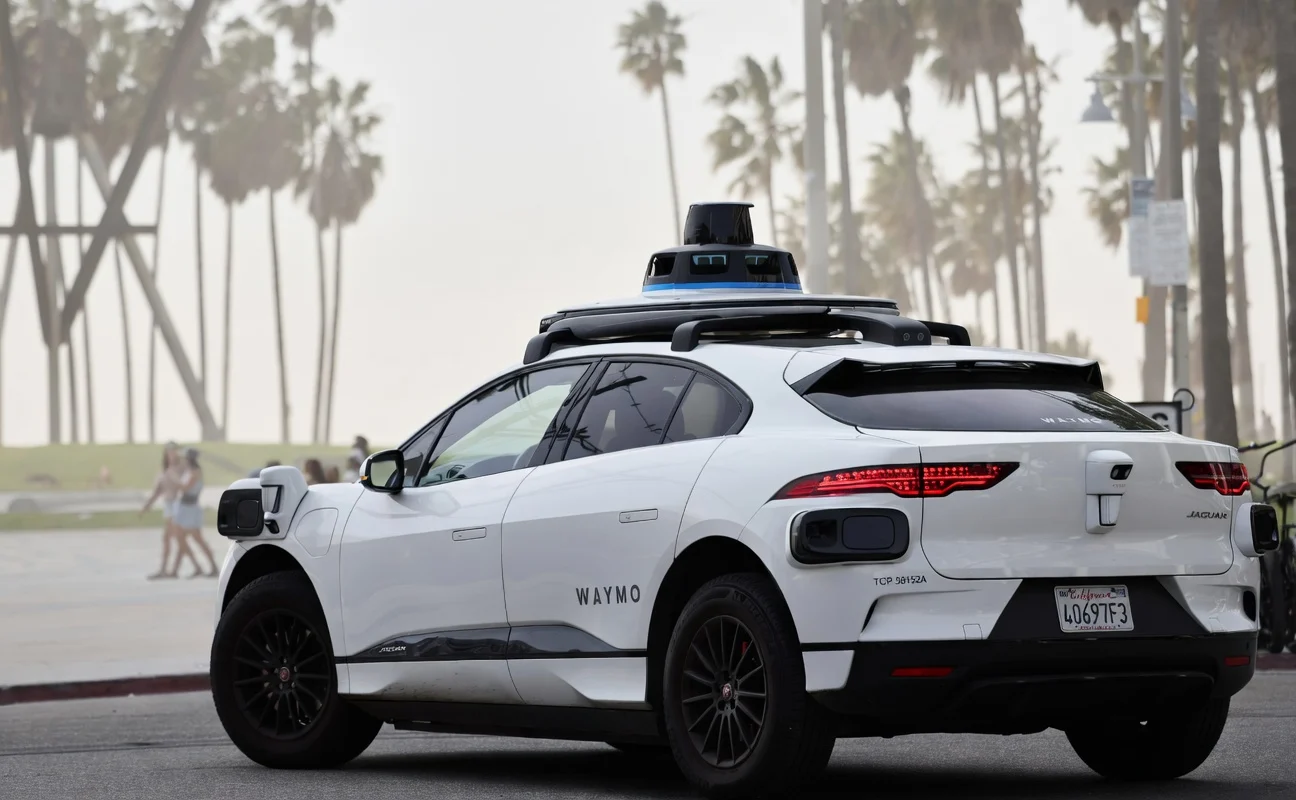
- Waymo is rolling out commercial driverless service in Denver, San Diego, and Tampa, expanding to 14 total cities
- Waymo completes more than 500,000 autonomous rides weekly and targets reaching 1 million rides before December
- Industry analysts forecast the US autonomous taxi sector will grow to $19 billion by 2030 and $48 billion by 2035
- These strategic moves arrive days before Tesla unveils its Cybercab robotaxi initiative on September 3
Two major players in autonomous transportation—Amazon-backed Zoox and Alphabet subsidiary Waymo—have revealed significant expansions of their self-driving taxi operations across the United States, intensifying the battle for market dominance.
Zoox has announced intentions to launch testing operations in Houston and San Diego, marking a strategic expansion that elevates its operational footprint to a dozen US cities.
The deployment strategy will initially involve modified test vehicles equipped for detailed road mapping. Following comprehensive mapping completion, Zoox intends to introduce its custom-designed autonomous robotaxis to these markets.
Currently, Zoox provides complimentary passenger transportation in Las Vegas, San Francisco, Austin, and Miami through its pilot program. The company transitioned to fee-based service exclusively in Las Vegas last August, representing its sole revenue-generating market to date.
Waymo Accelerates Commercial Deployment
Waymo is demonstrating more aggressive commercial momentum. The autonomous driving company has opened its doors to paying customers in Denver, San Diego, and Tampa.
This strategic expansion elevates Waymo’s completely autonomous ride-hailing network to 14 metropolitan areas throughout the United States. The company plans a phased rollout, progressively granting rider access across these three emerging markets.

Currently, Waymo facilitates over half a million autonomous taxi trips every week nationwide. Company leadership has established an ambitious objective to exceed one million weekly journeys prior to year-end.
International expansion is also underway. Waymo recently announced testing operations in Munich, Germany, with commercial service launch anticipated by late 2027.
Competition Intensifies Ahead of Tesla Announcement
Both expansion announcements strategically precede Tesla’s highly anticipated September 3 presentation. Industry observers expect Tesla to reveal comprehensive details about its Cybercab vehicle and autonomous taxi platform during this showcase.
Tesla has positioned itself as a formidable challenger in the self-driving ride-hailing sector, joining established operators Waymo and Zoox. The strategic timing of these announcements—mere days before Tesla’s event—underscores the rapid evolution and competitive intensity within this emerging industry.
Goldman Sachs Research forecasts the US autonomous taxi market will achieve $19 billion in valuation by 2030. Projections indicate exponential growth to $48 billion within the following five years.
While both companies are advancing aggressively, Zoox continues to lag behind Waymo in commercial deployment. Waymo currently operates revenue-generating driverless services across numerous metropolitan areas, whereas Zoox maintains paid operations only in the Las Vegas market.
Each company is pursuing rapid scalability with urgency. At present, Waymo maintains the advantage with broader geographic coverage and substantially higher weekly ridership volumes.
Industry attention is expected to sharpen this week as Tesla presents its autonomous transportation vision on September 3, potentially reshaping the competitive landscape.
Get 3 Free Stock Ebooks
Discover top-performing stocks in AI, Crypto, and Technology with expert analysis.
- Top 10 AI Stocks - Leading AI companies
- Top 10 Crypto Stocks - Blockchain leaders
- Top 10 Tech Stocks - Tech giants



