


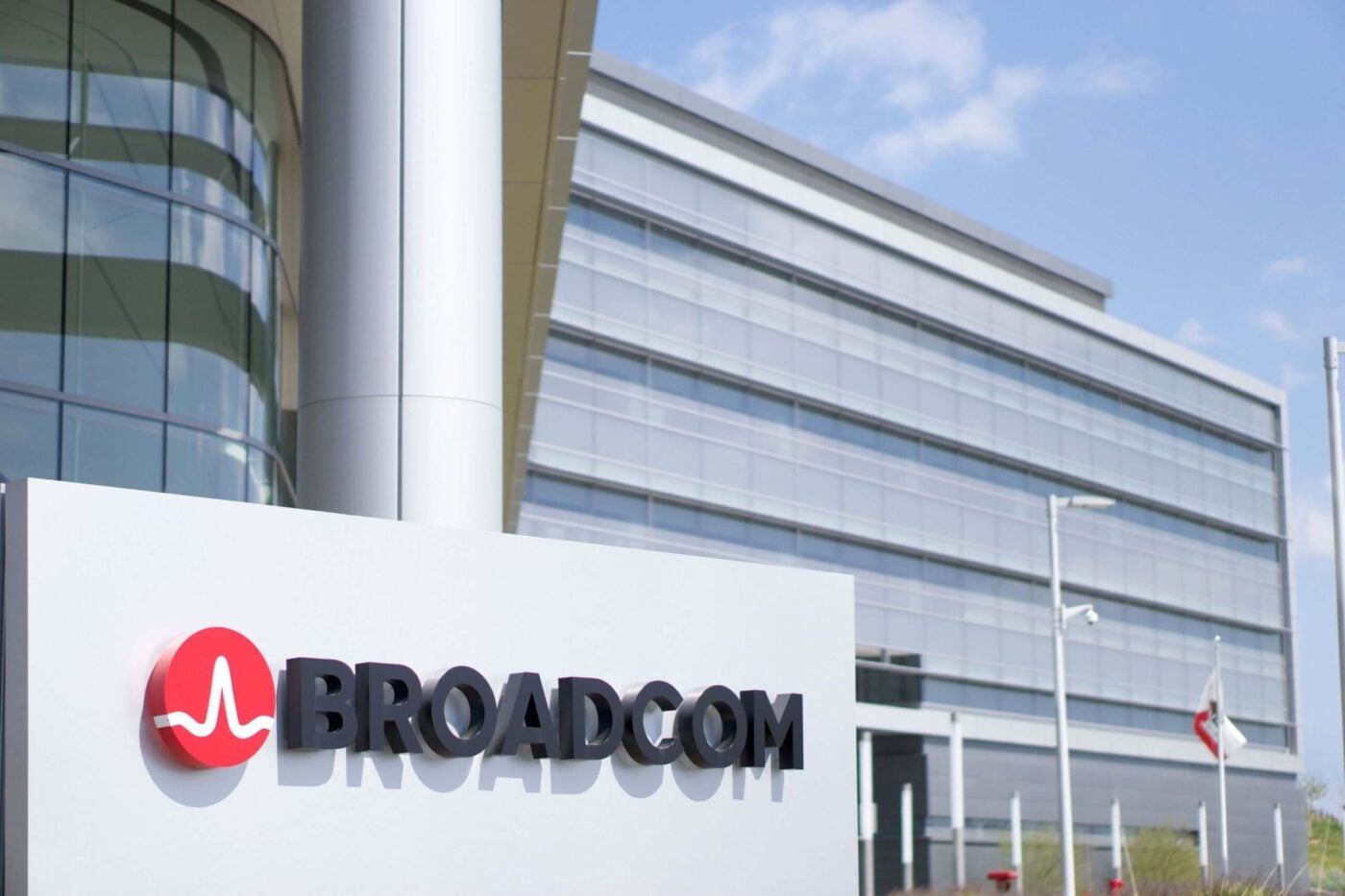
Key Highlights
- Apple and Broadcom have finalized a multiyear partnership exceeding $30 billion focused on custom semiconductor technology and wireless connectivity solutions.
- The partnership will generate more than 15 billion domestically manufactured chips.
- Broadcom plans a $1.5 billion capital investment to enhance its Colorado-based manufacturing operations in Fort Collins.
- The agreement centers on FBAR radio frequency filter technology, a collaboration between both companies dating back to 2023.
- This represents Apple’s most substantial American Manufacturing Program (AMP) initiative, contributing to its four-year $600 billion domestic investment strategy.
Apple has finalized its most significant domestic production partnership to date, establishing a multiyear collaboration with Broadcom valued at over $30 billion to manufacture specialized semiconductors and wireless technologies on American soil.
Revealed on Wednesday, the partnership will facilitate the manufacturing of no fewer than 15 billion chips within the United States, creating employment opportunities for hundreds of workers throughout the production ecosystem.
Shares of Apple (AAPL) declined 0.64% during trading, while Broadcom (AVGO) decreased 0.83%, though these fluctuations appeared disconnected from the partnership announcement.
Broadcom initially revealed the extended supply arrangement on Monday, verifying they had reached an agreement with Apple extending through 2031. Wednesday’s statement provided comprehensive details.

The semiconductors featured in this collaboration are FBAR filters — specialized radio frequency elements that enable wireless connectivity in Apple’s product ecosystem. The two companies have jointly engineered these components since 2023 at minimum.
The arrangement falls under Apple’s American Manufacturing Program, an initiative the technology leader established last year to strengthen domestic supply chain capabilities. This new partnership represents the most significant pledge Apple has undertaken within that framework.
To accommodate increased production capacity, Broadcom will allocate $1.5 billion toward upgrading and enhancing its Fort Collins, Colorado manufacturing site. This location will manufacture the FBAR filters alongside additional sophisticated wireless communication technologies.
Tim Cook characterized the Fort Collins components as “essential to delivering the incredible performance and connectivity our customers expect.” He additionally expressed appreciation to the Trump administration for supporting the initiative.
Broadcom’s CEO Hock Tan stated the company is “pleased to expand our manufacturing footprint in Fort Collins,” emphasizing that the facility manufactures technology that “connects people around the world.”
Apple’s $600 Billion Domestic Investment Strategy
The Broadcom deal represents one component of a broader economic commitment Apple has pledged to the United States. The technology giant has promised to deploy $600 billion domestically across a four-year timeframe, encompassing manufacturing operations, workforce development, and technological innovation.
Wednesday’s revelation furthers Apple’s objective of establishing a comprehensive silicon supply infrastructure within U.S. borders — an initiative that has gained increased importance amid continuing trade tensions and tariff considerations.
A Multi-Decade Strategic Alliance
Apple and Broadcom have maintained a collaborative relationship for numerous years, with Broadcom providing wireless semiconductor solutions utilized throughout the iPhone series and additional Apple hardware. This latest agreement substantially strengthens that partnership and projects it through the upcoming decade.
The supply arrangement running through 2031 provides Broadcom with demand forecasting clarity and validates the substantial capital expenditure in Colorado. For Apple, it secures a reliable domestic supplier for critical components during an era when American semiconductor production capability has become strategically important.
Apple verified the partnership on Wednesday, July 8, 2026, with manufacturing of the Fort Collins-produced components anticipated to expand across Apple’s complete product portfolio in coming years.
Get 3 Free Stock Ebooks
Discover top-performing stocks in AI, Crypto, and Technology with expert analysis.
- Top 10 AI Stocks - Leading AI companies
- Top 10 Crypto Stocks - Blockchain leaders
- Top 10 Tech Stocks - Tech giants



