


TLDR
- Alphabet shares surged approximately 5% Monday following its official addition to the Dow Jones Industrial Average, taking over Verizon Communications’ position.
- The performance represents the most impressive inaugural Dow appearance since Dow Inc.’s 2019 entry, with no subsequent addition exceeding a 0.7% first-day gain.
- The rally doesn’t erase broader concerns, as Alphabet remains on course for its weakest monthly showing since February of the previous year, down roughly 10% before Monday.
- Industry reports indicate Alphabet faces AI computational limitations, with major enterprise clients like Meta Platforms allegedly encountering usage caps.
- Cloud services revenue jumped 63% year-over-year in the latest quarter, with TD Cowen forecasting potential expansion to $480 billion by 2031.
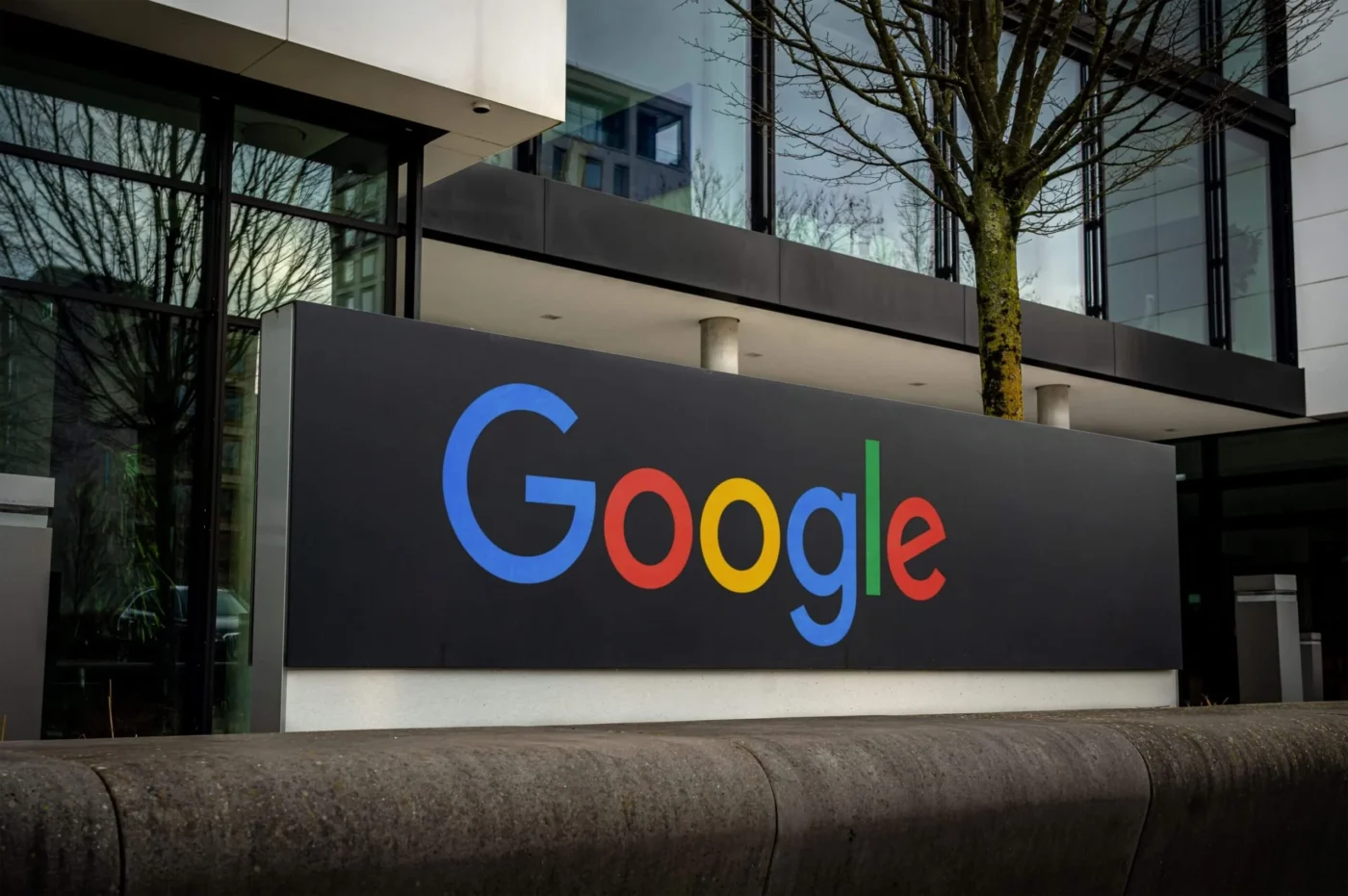
Alphabet shares jumped nearly 5% during Monday’s trading session. The impressive gain coincided with the Google parent company’s formal entry into the prestigious Dow Jones Industrial Average, assuming the position previously held by Verizon Communications.
The performance marked the strongest opening-day showing for any Dow addition since 2019. That year, Dow Inc. made its debut on the index, establishing a benchmark that Alphabet has now surpassed.
Seven other corporations have joined the elite 30-company index since that 2019 milestone. Not one of them managed to gain more than 0.7% during their first trading day, underscoring the significance of Monday’s upward movement.
The surge provided a boost to the overall Dow index performance. Technology sector stocks generally traded upward in tandem with Alphabet, including numerous artificial intelligence-focused companies that participated in the advance.

However, zooming out reveals a more complicated narrative. Alphabet appears headed for its poorest monthly performance since February of the prior year, having shed approximately 10% throughout the preceding month before Monday’s rebound.
This represents a dramatic reversal from May, when Alphabet momentarily surpassed Nvidia in market valuation during after-hours trading to claim the title of the world’s most valuable enterprise. The stock has closed lower in six of the last seven weeks.
Why Investors Are Watching AI Execution
The Dow addition primarily holds ceremonial significance rather than substantial financial impact. Alphabet already maintained membership in both the S&P 500 and Nasdaq 100 indices, meaning minimal forced purchasing is associated with this particular index change.
Historical patterns also suggest caution for recent Dow entrants. Companies like Nvidia, Salesforce and Apple all experienced declines within 60 days of their index inclusion, a trajectory Alphabet hopes to break.
Significant pressure on Alphabet originates from uncertainties surrounding its artificial intelligence investment returns. Chinese competitors are rapidly advancing with lower-cost solutions, and DeepSeek has announced plans to release an updated version of its open-source model within the next two weeks.
High-level talent has also been departing Google DeepMind for competing organizations including Anthropic and OpenAI. Noam Shazeer, the former Gemini co-lead who transitioned to OpenAI, allegedly cited restricted computational access as a contributing factor to his departure.
Computational capacity has emerged as a genuine bottleneck. Reports suggest Alphabet lacks sufficient infrastructure to satisfy enterprise client demands, including those from Meta Platforms, and is allegedly relying on external infrastructure providers such as SpaceX to address the shortfall.
Alphabet has not issued a statement regarding the reported Meta usage limitations.
Cloud Growth Remains a Bright Spot
Notwithstanding these challenges, Alphabet’s cloud division continues to perform strongly. The segment generated revenue growth of 63% year-over-year in the most recent quarter, representing the fastest expansion rate since Alphabet started reporting cloud figures as a separate line item.
TD Cowen analysts anticipate this trajectory will persist. Their projections suggest cloud revenue could expand at a 37% compound annual growth rate, potentially reaching approximately $480 billion by 2031, compared to roughly $100 billion this year.
This expansion comes at a cost, however. Alphabet’s cash reserves have been declining, and the company opted not to conduct share repurchases during the first quarter for the first time in almost ten years.
The company has also secured over $140 billion through debt and equity financing as expenditures related to AI infrastructure competition continue escalating.
Get 3 Free Stock Ebooks
Discover top-performing stocks in AI, Crypto, and Technology with expert analysis.
- Top 10 AI Stocks - Leading AI companies
- Top 10 Crypto Stocks - Blockchain leaders
- Top 10 Tech Stocks - Tech giants



