


Key Takeaways
- Shares of Super Micro Computer (SMCI) tumbled 8% on Monday, closing at $28.15, following a raid by Taiwanese authorities investigating alleged smuggling of Nvidia chips to China.
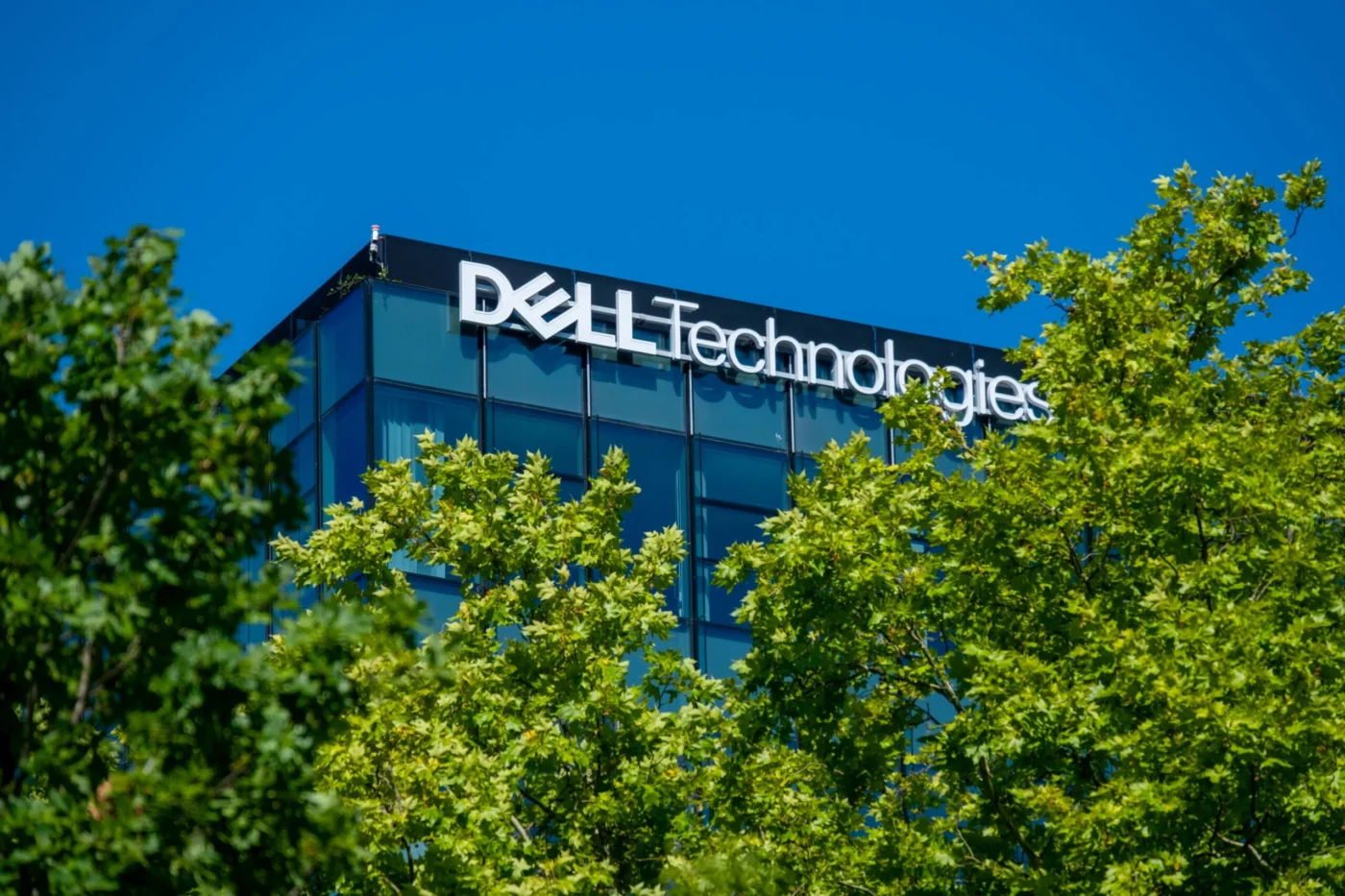
- Dell Technologies (DELL) saw its stock price surge 3.8% during the same trading session, with market observers suggesting the company stands to benefit from Super Micro’s challenges.
- Year-to-date performance shows a dramatic divergence: Dell has soared 229% while Super Micro has declined 3.8%.
- Taiwan’s prosecutors have filed charges against six individuals for document forgery and breach of trust in connection with the investigation.
- In May, Dell reported exceptional Q1 results with earnings per share of $4.86, crushing expectations of $2.96, alongside revenue growth of 87.5% compared to the prior year.
Dell Technologies experienced a notable 3.8% stock increase on Monday, while competitor Super Micro Computer saw its shares plummet 8% to settle at $28.15. The divergence followed a raid on Super Micro’s facilities by Taiwanese investigators examining potential illegal shipments of Nvidia chips to China.
According to reporting from The Wall Street Journal, Taiwan’s prosecutorial authorities have brought charges against six people—whose names remain undisclosed—for document forgery and breach of trust. This latest action extends an earlier investigation from May that resulted in three arrests and the confiscation of 50 servers.
At that time, Super Micro issued a statement indicating its commitment to assist authorities in efforts to “prevent illicit diversion of server technology.” The company has since reiterated its cooperation with Taiwanese officials and other regulatory bodies to safeguard its technology assets and intellectual property.
Super Micro has experienced a challenging trading period recently. The stock has declined for five consecutive sessions, losing 21% of its value during that span, although premarket indicators showed a 2% uptick before Tuesday’s opening bell.

The stock has been extremely volatile throughout June, with price swings exceeding 4% in either direction on 14 out of 20 trading days this month.
Market Analysts Point to Dell as the Clear Winner
Bob Lang, founder of Explosive Options and experienced options trader, indicated he’s already considering Dell as a superior alternative to Super Micro. He referenced past patterns to support his position.
“Dell is a competitor, and the last time Super Micro ran into some trouble or difficulty, it was a slam dunk for Dell,” Lang said. “They picked up a lot of business and a lot of customers.”
Paul Meeks, an analyst with Freedom Capital Markets, offered an even stronger endorsement. He advised that investors seeking AI data center server exposure should “just buy DELL at almost any price.”
The performance data supports this bullish sentiment. Dell’s stock has skyrocketed 229% year-to-date, standing in sharp contrast to Super Micro’s 3.8% loss during the identical timeframe.
Super Micro’s regulatory troubles aren’t unprecedented. In March, U.S. authorities indicted co-founder Yih-Shyan “Wally” Liaw along with two associates for allegedly orchestrating a scheme to redirect U.S.-assembled servers to China in violation of export regulations. Liaw stepped down immediately following the charges, and the stock crashed 33% that day to $20.53.
Dell’s Financial Performance Supports the Bull Case
Dell’s underlying financial metrics have provided substantial reasons for investor optimism. On May 28th, the company unveiled quarterly results featuring earnings per share of $4.86, significantly exceeding the consensus forecast of $2.96.
Revenue reached $43.84 billion, substantially surpassing analyst projections of $35.74 billion. This represented an impressive 87.5% increase compared to the same period last year, primarily fueled by robust AI and data-center demand.
The company’s net margin stood at 6.28%, and management provided FY2027 guidance projecting 17.90 EPS. Current analyst consensus estimates stand at 17.74 EPS for the ongoing fiscal year.
Dell announced a quarterly dividend distribution of $0.63 per share, scheduled for payment on July 31st to shareholders on record as of July 21st. This translates to an annualized dividend of $2.52 and a yield of 0.6%.
However, not all indicators have been uniformly positive. Following Dell’s approximately 200% rally since February, GF Securities issued a downgrade, citing valuation concerns despite recognizing the company’s record-breaking quarterly performance.
Institutional ownership accounts for 76.37% of Dell’s outstanding shares. Pictet Asset Management reduced its holdings by 14.2% during the first quarter but maintained a position of 372,240 shares valued at approximately $61.1 million.
Insider activity has also been noteworthy. Company insiders have divested $1.4 billion in stock over the past 90 days, including transactions by directors affiliated with Silver Lake Partners.
Dell commenced trading at $414.26 on Tuesday, with a market capitalization of $268.49 billion and a 52-week trading range spanning from $110.22 to $469.47.
Get 3 Free Stock Ebooks
Discover top-performing stocks in AI, Crypto, and Technology with expert analysis.
- Top 10 AI Stocks - Leading AI companies
- Top 10 Crypto Stocks - Blockchain leaders
- Top 10 Tech Stocks - Tech giants



