


TLDR
- CME Group plans to sue the CFTC over approvals for Bitcoin perpetual futures.
- CME CEO Terrence Duffy said perpetual futures should be classified as swaps.
- The CFTC approved Kalshi’s Bitcoin perpetual futures application in May.
- The CFTC also issued a no-action position for Coinbase digital derivatives.
- CME raised concerns over high leverage, retail risk and automated liquidations.
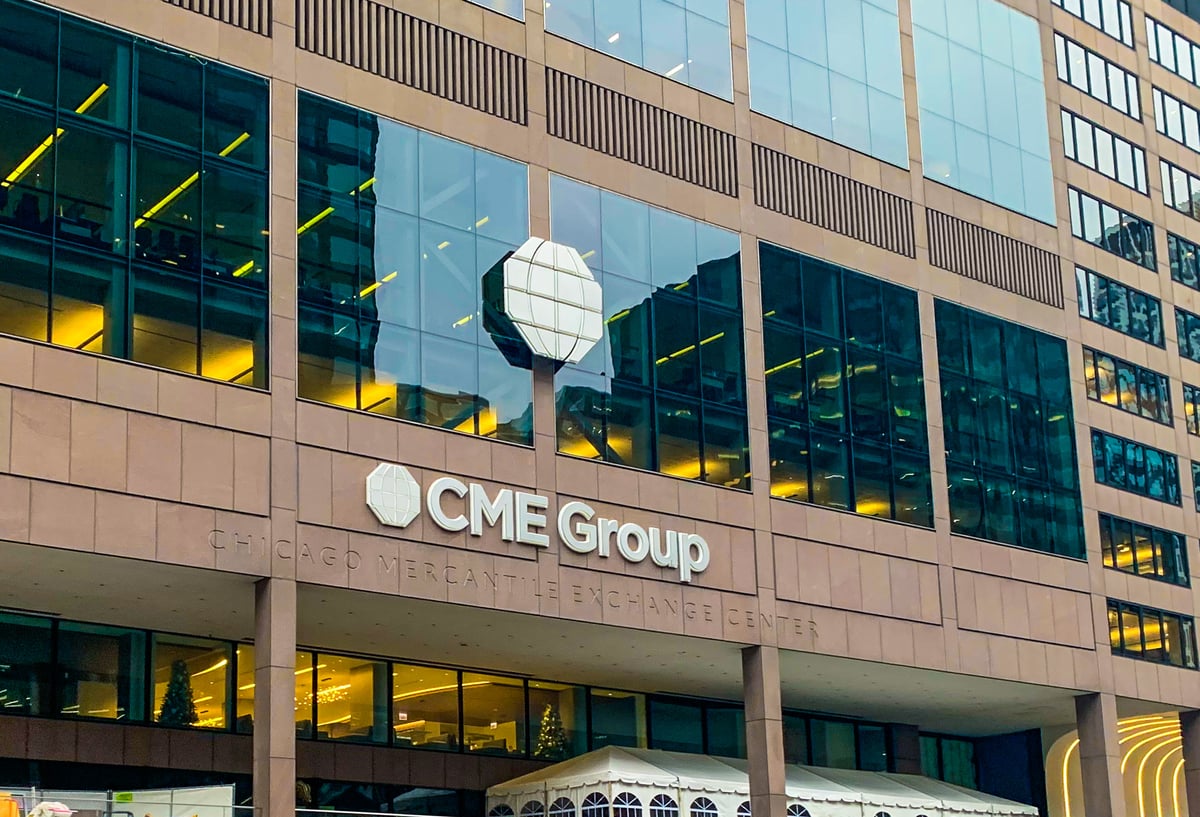
CME Group plans to sue the U.S. Commodity Futures Trading Commission over the regulator’s approval of spot Bitcoin perpetual futures, arguing that the products should be classified as swaps rather than standard futures contracts.
CME Chief Executive Terrence Duffy told CNBC that the exchange operator will file the lawsuit on Thursday. The challenge focuses on the CFTC’s recent approvals allowing platforms including Kalshi and Coinbase Financial Markets to move forward with digital commodity perpetual derivatives products.
Perpetual futures, often called perps, are derivatives that allow traders to speculate on asset prices without owning the underlying asset. Unlike traditional futures contracts, they do not have an expiration date, which is central to CME’s argument that they should fall under swap rules in the Dodd-Frank Act.
CME Challenges CFTC’s Perpetual Futures Classification
The CFTC approved Bitcoin perpetual contracts as futures contracts in late May. The agency cleared Kalshi’s application to list BTCPERP contracts and issued a no-action position for Coinbase Financial Markets tied to its planned digital commodity derivatives products.
CME argues that derivatives without an expiration date do not fit the legal structure of traditional futures contracts. Duffy said that the absence of a maturity date makes the products functionally closer to swaps.
If a court agrees with CME’s position, platforms offering perpetual futures could face stricter regulatory obligations. Those could include swap-related compliance requirements, mandatory clearing rules, reporting obligations, and possible swap dealer registration depending on the structure and activity level.

The case could affect how crypto derivatives are offered in the United States. Perpetual futures have become one of the most traded products in global crypto markets, although much of that activity has historically taken place outside the U.S. because of regulatory uncertainty.
Duffy Raises Retail Leverage and Risk Concerns
Duffy has also raised concerns about the structure of perpetual futures products, especially those involving high leverage and automated liquidation systems. He said some contracts allow leverage levels far above what is typically available in CME-listed markets.
At a recent financial technology conference, Duffy said he had “grave concerns” about the way the contracts are designed. He said retail traders could be exposed to losses in products they may not fully understand, especially during periods of sharp volatility.
He also said the CFTC’s review process appeared to move faster than a typical self-certification window for a product he views as novel. The CME chief compared current speculative activity in some markets to conditions before the 2008 financial crisis, saying that prediction markets and highly leveraged trading could create risks if not properly supervised.
CME also raised benchmark and market infrastructure concerns. The exchange has argued that certain derivative products rely on benchmark data and market structures where CME claims licensing or infrastructure interests.
Lawsuit Could Shape U.S. Crypto Derivatives Rules
The lawsuit arrives as U.S. regulators and exchanges compete to define the next phase of crypto derivatives trading. Coinbase and Kalshi have been pushing into regulated digital asset products, while CME remains the largest futures exchange operator and already lists Bitcoin and Ether futures.
A court ruling could clarify whether perpetual futures belong under futures rules or swap rules. That classification matters because it would determine which compliance framework applies and how platforms structure products for U.S. users.
The outcome could also influence how quickly regulated crypto perpetual markets grow in the United States. If the CFTC’s approach is upheld, more venues may seek to offer similar products. If CME succeeds, the market could face a more restrictive path under Dodd-Frank swap requirements.
The CFTC has not yet issued a public response to the lawsuit plan. Duffy, who is expected to step down as CME chief executive in March 2027, said the company is not taking the matter lightly and is prepared to challenge the regulator’s decision in court.
Get 3 Free Stock Ebooks
Discover top-performing stocks in AI, Crypto, and Technology with expert analysis.
- Top 10 AI Stocks - Leading AI companies
- Top 10 Crypto Stocks - Blockchain leaders
- Top 10 Tech Stocks - Tech giants



